Ozempic and Mounjaro linked to a surprising hair loss risk — SkimNews

Get the Health newsletter
Daily health & science — research, biotech, public health, the studies worth knowing. Free.
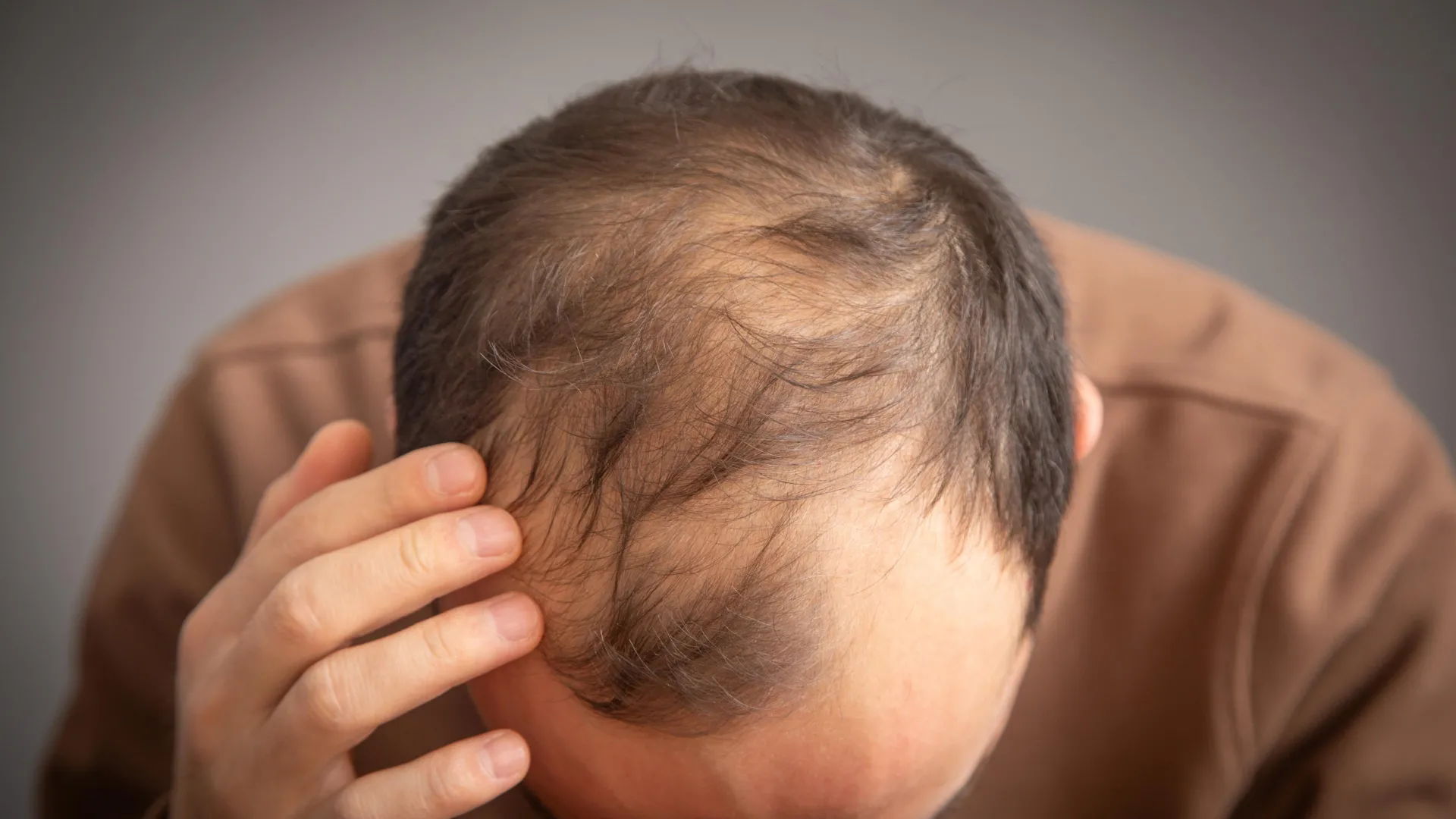
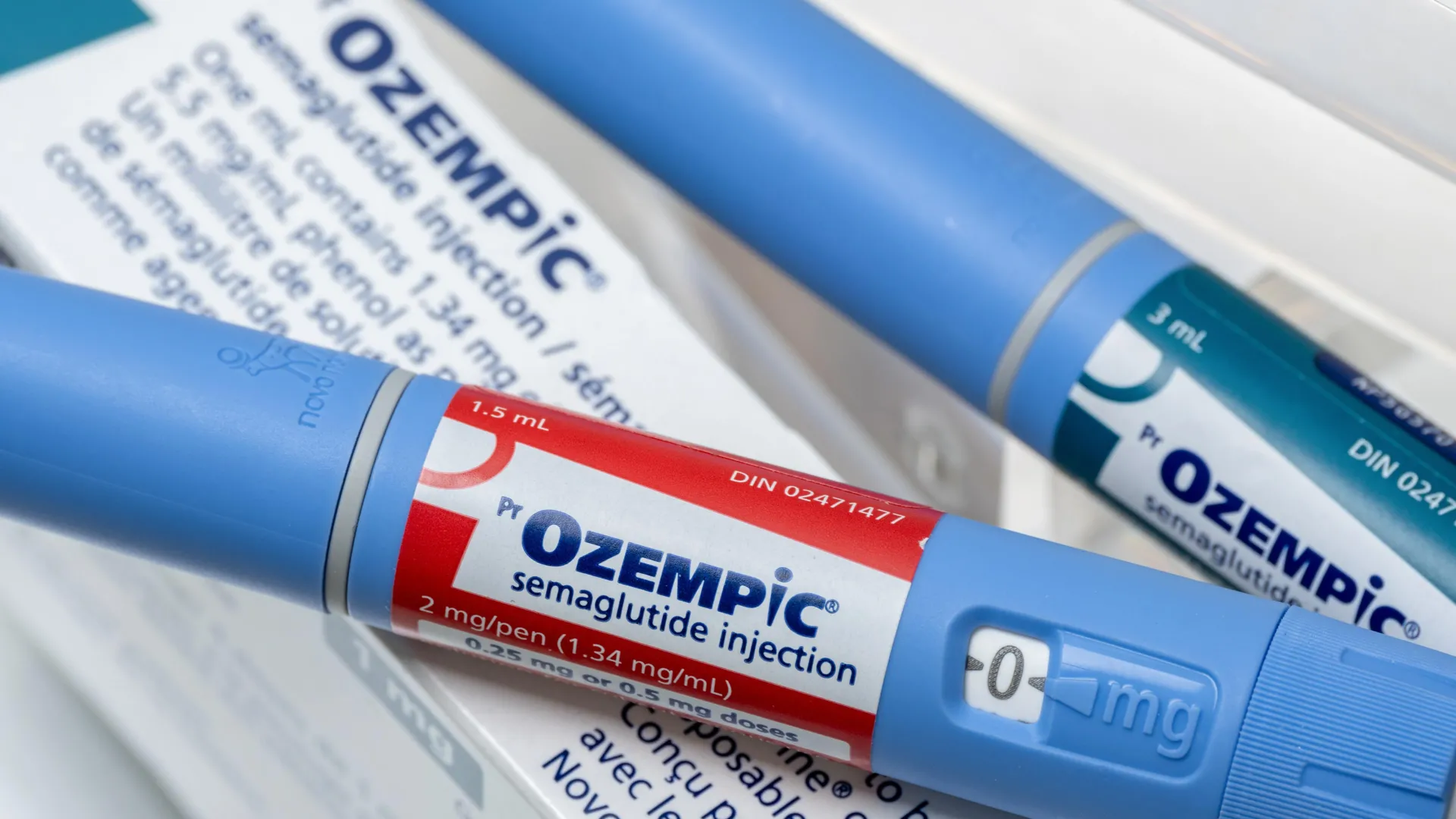
- GLP-1 receptor agonists including semaglutide (Ozempic, Wegovy) and tirzepatide (Mounjaro, Zepbound) were associated with a 37% higher risk of alopecia compared with SGLT-2 inhibitors (6.91 vs 5.04 per 1,000 person-years) and 68% higher risk versus DPP-4 inhibitors (6.53 vs 3.89 per 1,000 person-years).
- Penn Medicine researchers analyzed electronic health records for adults with type 2 diabetes treated between January 2019 and September 2024, comparing roughly 12,000 GLP-1 users against 15,221 SGLT-2 inhibitor patients and 11,233 DPP-4 inhibitor patients.
- The BMJ study, published July 22, 2026, found the elevated risk was limited to non-scarring alopecia — a form where hair follicles remain intact, leaving potential for regrowth.
- Researchers adjusted for age, sex, ethnicity, pre-existing conditions, other medications, and BMI, noting that GLP-1 users were younger (mean age 58) and had higher BMI (36.2) than comparison groups.
- The study authors cited rapid weight loss — a known cause of increased hair shedding — plus potential iron or zinc deficiencies and hormonal changes as possible mechanisms, though causation could not be established.
- Key limitations included the inability to determine severity, duration, or whether hair regrew after patients stopped the medication, and the fact that observational data cannot prove the drugs directly caused the hair loss.
Why it matters: With millions now taking Ozempic, Wegovy, Mounjaro, and Zepbound, even a small added risk of reversible hair loss matters to patients weighing treatment trade-offs — and gives clinicians a concrete side effect to discuss alongside weight-loss benefits.
Ask SkimNews