GLP-1 Drugs Linked to 7% Higher Hair Loss Risk in Men — SkimNews
Get the Health newsletter
Daily health & science — research, biotech, public health, the studies worth knowing. Free.
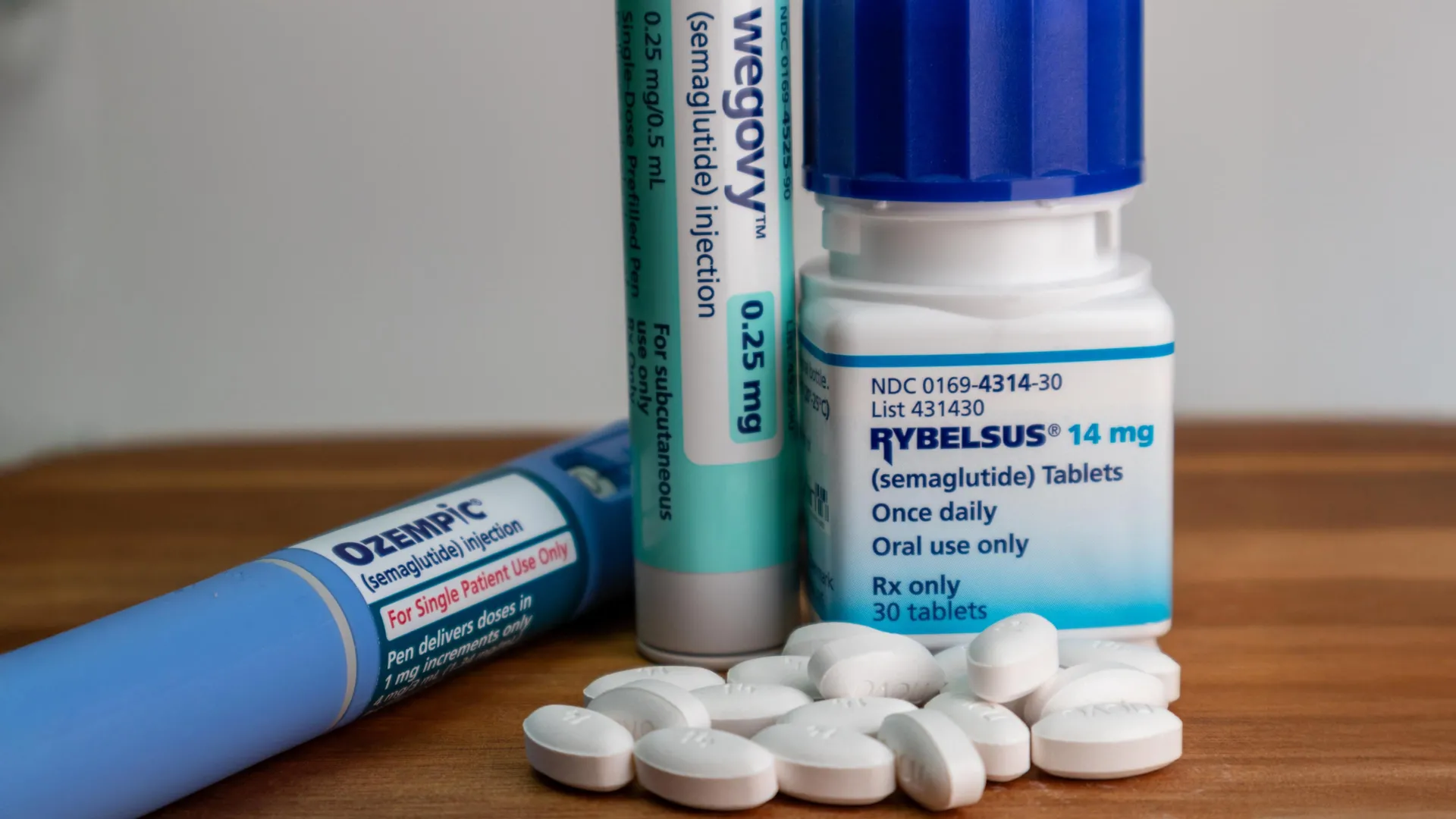
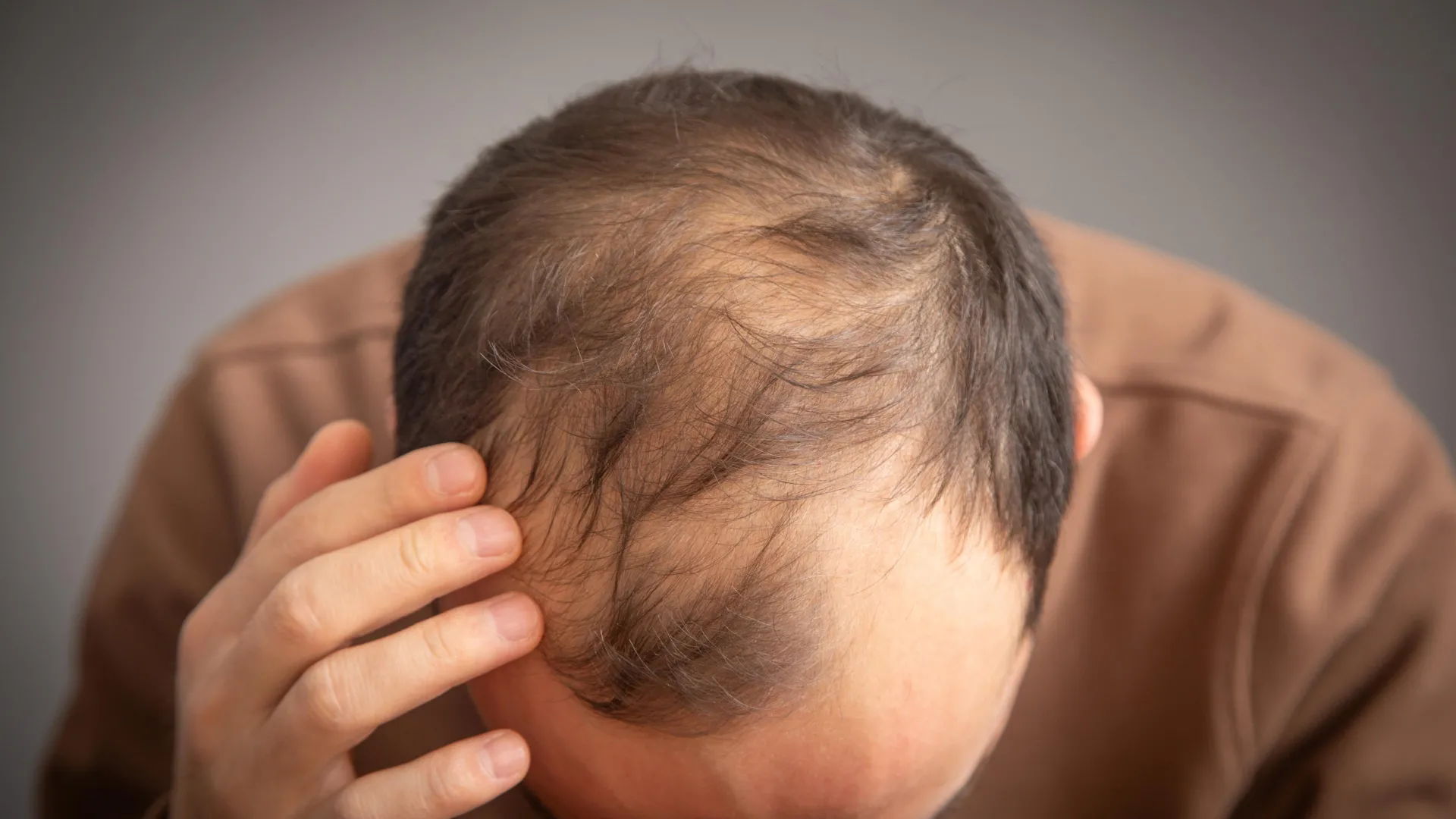
- NYU Langone researchers found GLP-1 drugs (Ozempic, Wegovy, Zepbound) raise hair-loss risk by 7% in men genetically predisposed to androgenetic alopecia, per a study published Sept. 3 in the Journal of Investigative Dermatology.
- Senior investigator Lynn Petukhova called it "the first genetic link between GLP-1 use and an increased risk of male-pattern hair loss," pointing to a shared underlying biology rather than weight loss alone.
- The 7% elevated risk persisted after controlling for hypertension, insulin resistance, and reduced testosterone — three confounders that had previously been suspected as explanations.
- Petukhova's team suggested future genetic screening could flag at-risk patients before starting GLP-1 therapy, and proposed pairing prescriptions with hair-loss drugs like minoxidil.
- The Mendelian randomization analysis drew on two large public databases — eQTLGen (31,684 participants) and the Complex Traits Genetics group database (205,327 mostly White men) — to compare GLP1R gene activity against hair-loss genetics.
- The study was limited to men because the genetics of female pattern hair loss are far less mapped, though Petukhova plans to investigate whether the same connection holds in women.
- GLP-1 use has surged: roughly 12% of Americans have tried the drugs for weight loss, and prescriptions have more than tripled since Ozempic's 2020 FDA approval.
Why it matters: For the roughly 12% of Americans who have tried GLP-1 drugs per the source, this reframes a common complaint: hair loss may not just be collateral damage from rapid weight loss. If replicated, the genetic link could push pre-prescription screening for men with baldness in the family and open a market for combination therapy with minoxidil.
Ask SkimNews