Ozempic, Wegovy Linked to Rare Vision Loss Risk — SkimNews
Get the Health newsletter
Daily health & science — research, biotech, public health, the studies worth knowing. Free.
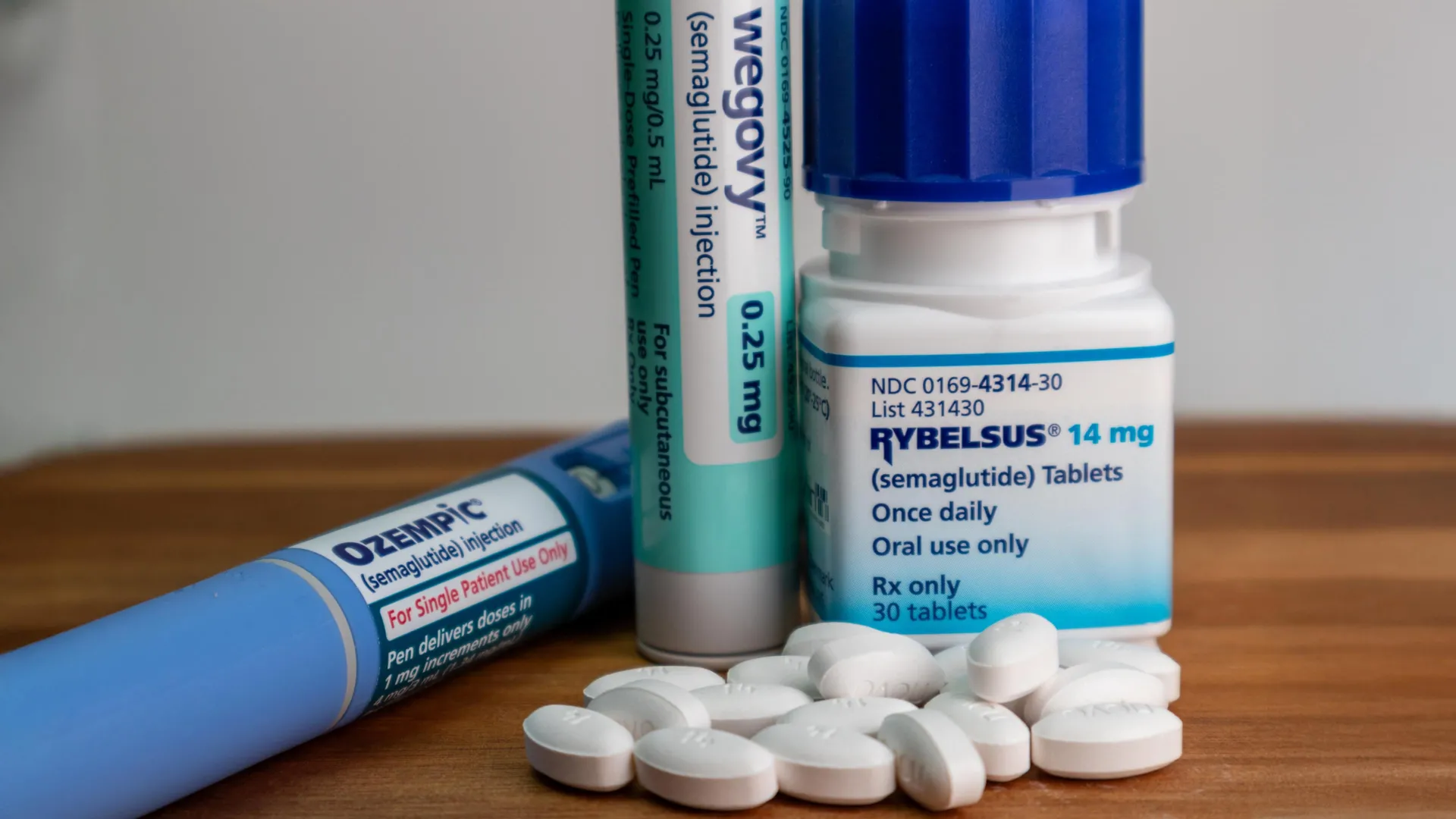
- Rutgers researchers published a study in Annals of Internal Medicine linking GLP-1 drugs (Ozempic, Wegovy, Mounjaro, Zepbound) to a modest increase in risk of ischemic optic neuropathy among Type 2 diabetes patients
- The increased risk translates to approximately 3-4 additional cases per 10,000 patients treated with GLP-1s over 18 months, according to lead author Chintan Dave
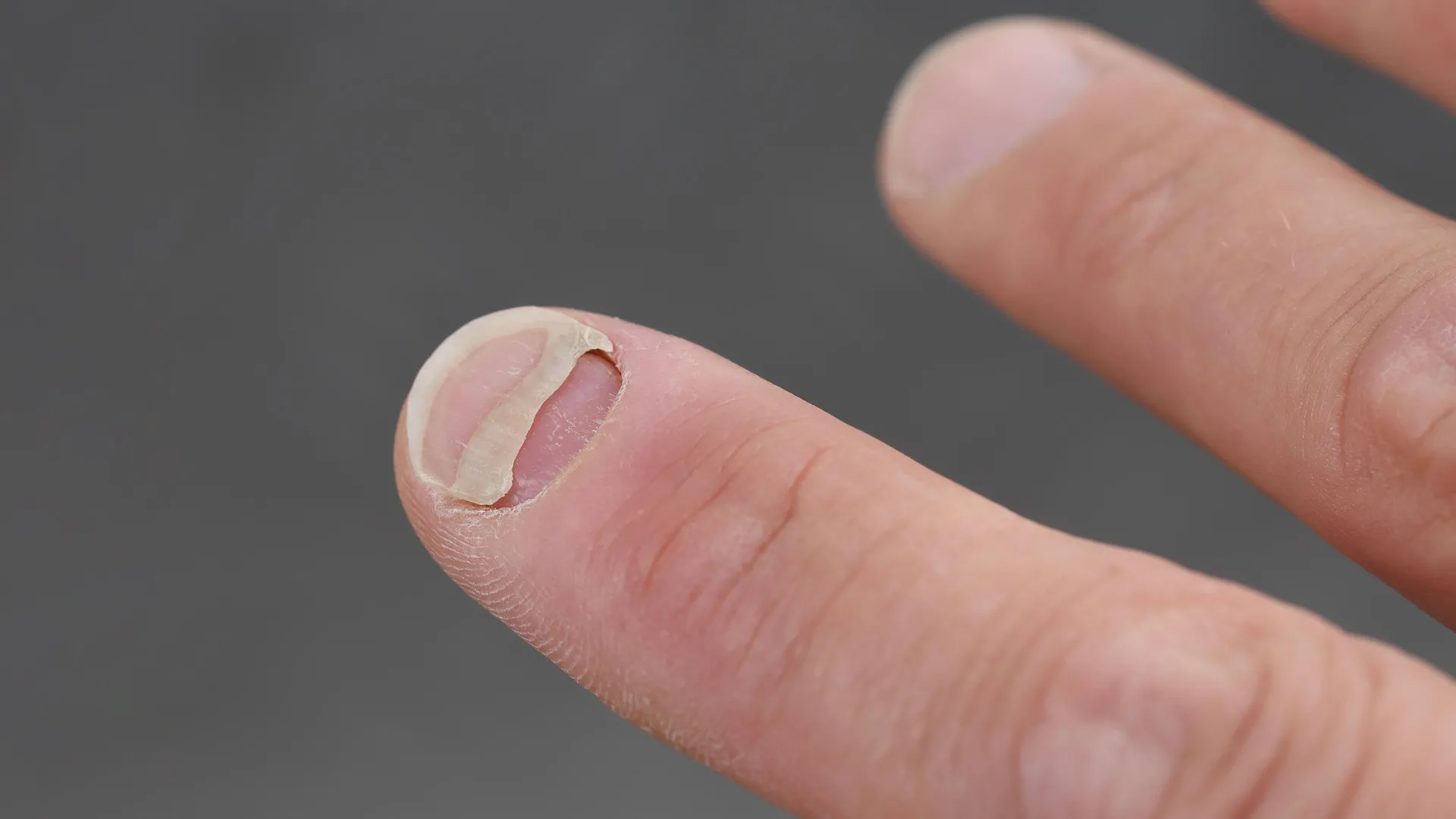
- Ischemic optic neuropathy can cause sudden, often permanent vision loss; only about one-third of affected patients experience some recovery, typically within the first six months, and most retain some visual impairment
- Cases in the study were more common among men and adults aged 50-65, suggesting higher-risk patients warrant closer monitoring for sudden vision changes
- More than 80% of cases involve the non-arteritic anterior form of the condition, which occurs when blood flow to the front of the optic nerve becomes insufficient
- Researchers caution the findings show an association, not causation, and that underlying health differences could explain part of the increased risk; additional research is needed
Why it matters: GLP-1 drugs are now prescribed to millions for both diabetes and weight loss, so even a small absolute risk — roughly 3-4 additional cases of potentially blinding vision loss per 10,000 patients over 18 months — adds up to a meaningful clinical signal, particularly for higher-risk patients such as men and adults aged 50-65 who should be counseled to seek prompt ophthalmologic evaluation if symptoms appear.
Ask SkimNews