Japan Eyes Homegrown FMS System to Drive Defense — SkimNews

Get the Geopolitics newsletter
Daily geopolitics — wars, elections, sanctions, the diplomatic moves that move markets. Free.
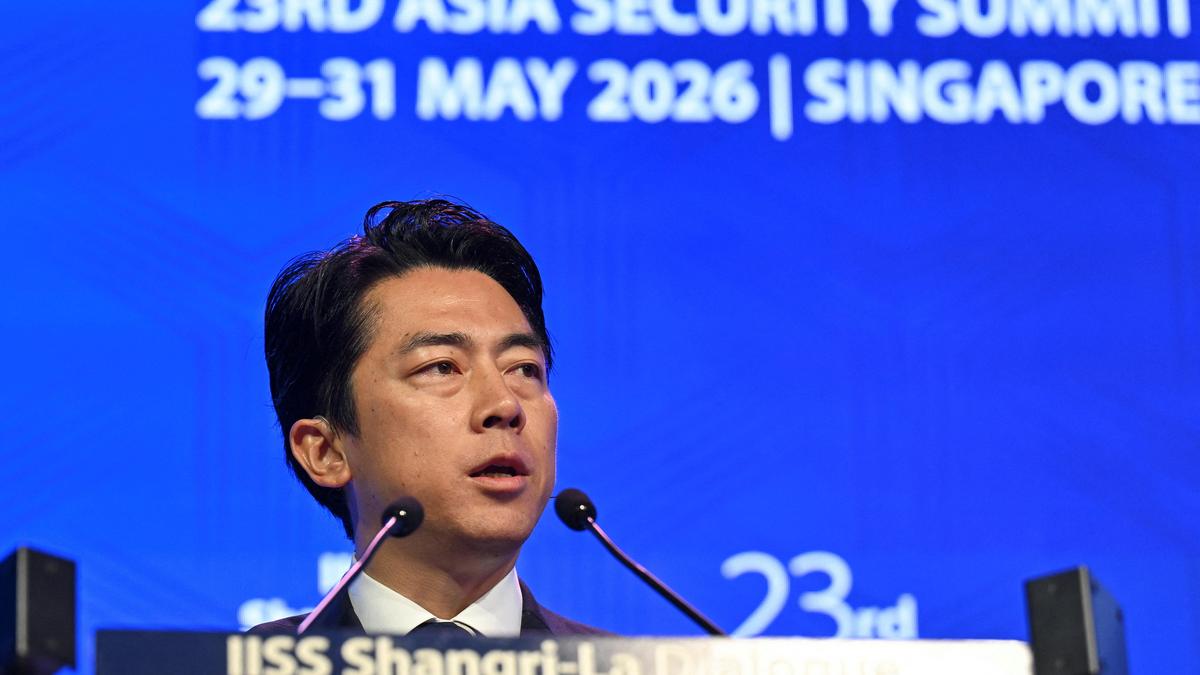
- Koizumi Shinjiro confirmed Japan's government is examining a homegrown FMS framework and a new organization to support defense exports and industrial development, though he emphasized no final decisions have been made.
- The proposed FMS system would mark a significant departure from Japan's current model by having the state serve as the principal contracting window for foreign customers, rather than leaving sales to individual Japanese companies.
- The initiative is expected to be incorporated into revisions of Japan's three key national security documents later this year, with implementing legislation potentially following in 2027.
- Koizumi framed defense production capacity as 'deterrence itself,' citing lessons from Russia's invasion of Ukraine about the need for sustained combat capability — the ability to replenish ammunition and continue production during prolonged conflicts.
- South Korea, France, Israel, and Sweden already run dedicated agencies for government-to-government defense transactions: KOTRA and DAPA, Direction Internationale, SIBAT, and FMV respectively.
- Japan has expanded defense ties with Australia and the Philippines amid concerns over China's military modernization in the East and South China Seas, and a more robust export framework could make Japanese radar, naval platforms, and drones more accessible to those partners.
- Japan's debate has shifted dramatically: a decade ago it centered on whether defense exports should be permitted at all, while today policymakers are debating how actively the government should promote and support them.
Why it matters: Japan is shifting defense exports from company-led sales to a state-backed FMS framework, with the overhaul expected to be folded into its three national security documents later this year. The reform targets Indo-Pacific partners like Australia and the Philippines that are seeking to counter China's military modernization — potentially giving Japanese defense firms a dedicated contracting window in regional markets where government-to-government trust carries more weight than commercial sales.
Ask SkimNews