The World Cup actually matters to the stock market – especially when your team loses — SkimNews

Get the Finance newsletter
Daily finance — markets, central banks, M&A, the prints that move money. Free.
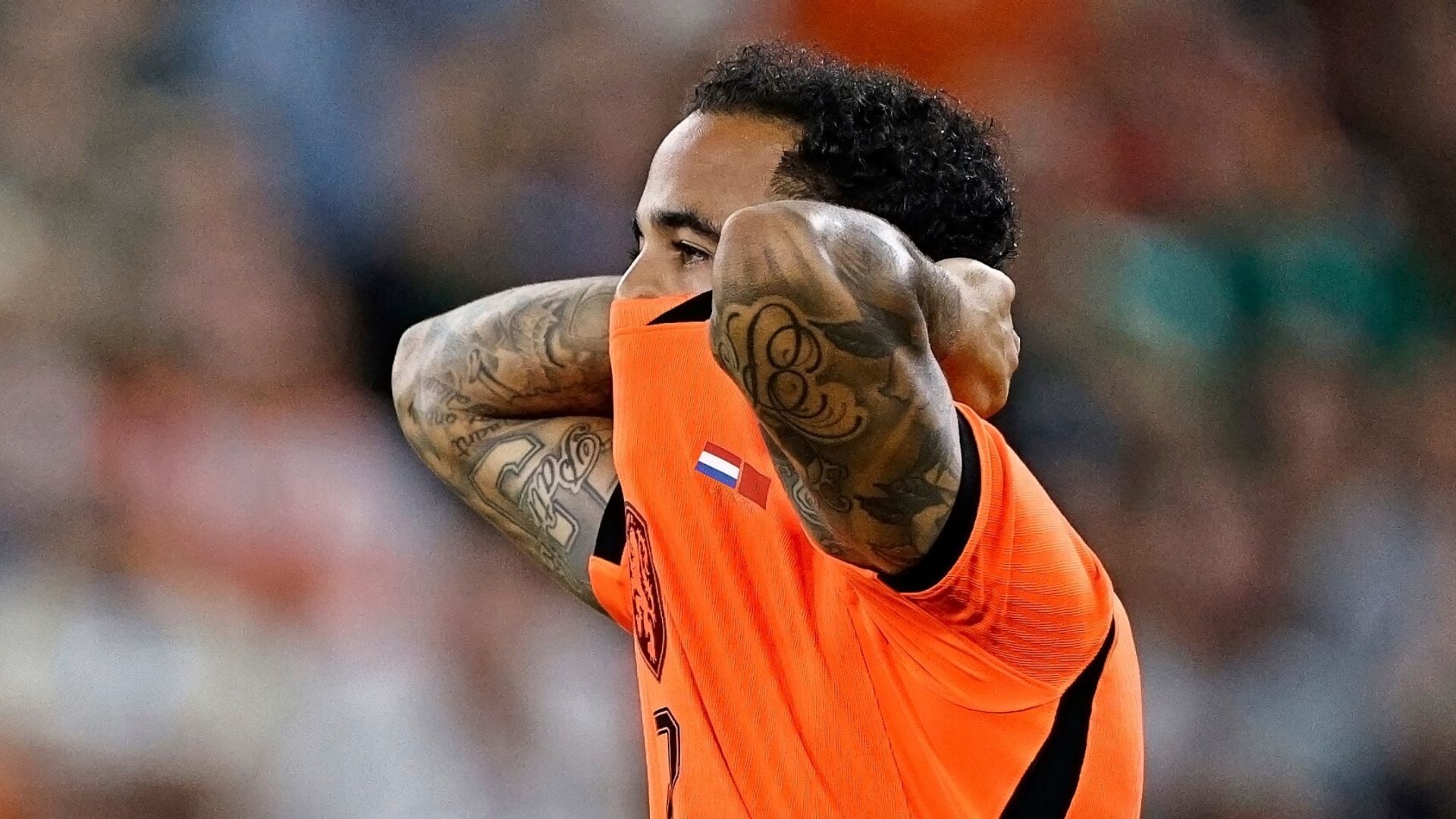
- A 2007 research paper found that countries eliminated from the World Cup see an "abnormal" ~0.5% decline in their stock market the following trading day, based on data from 39 countries between 1973 and 2004.
- World Cup champions' home stock markets have outperformed global equities by an average of 5.5% in the month after the final, per William Blair's analysis of the past 50 years.
- William Blair also reported that trading volumes fell 38% in Europe and 43% in the US during 2010 World Cup matches featuring those countries' national teams.
- The "Sports Sentiment and Stock Returns" authors found that while losses lingered, mid-tournament victories produced no measurable positive effect on next-day trading.
- A subsequent study identified an average 2.6% decline in the US market during World Cup tournaments from 1950 to 2007; the S&P 500 fell 5.4% during the most recent World Cup, per a Morningstar-cited report.
- Canada, ranked 32nd in the world, opens against Qatar on Thursday; a championship run would give the TSX a "meaningful bump" per William Blair's data, with the final set for July 19.
- Behavioral finance research has also linked stock performance to sunnier days, the lunar cycle, and daylight saving time sleep disruption.
Why it matters: For Canadian investors watching the national team's run, historical data says a championship has translated into roughly 5.5% outperformance for the TSX in the month after the July 19 final. The broader takeaway: stock markets price in collective mood, not just earnings and rates — which is why World Cup trading volumes crater by up to 43% when domestic teams play.
Ask SkimNews