Belgian wildfire doubles in size on third day tearing through nature reserve — SkimNews
Get the Energy newsletter
Daily energy & climate — solar, EVs, oil, the policy fights and tech bets shaping the transition. Free.
- Hautes Fagnes wildfire in eastern Belgium grew from 80 hectares Friday to 3,000 hectares by early Sunday—more than doubling in 24 hours, per AFP
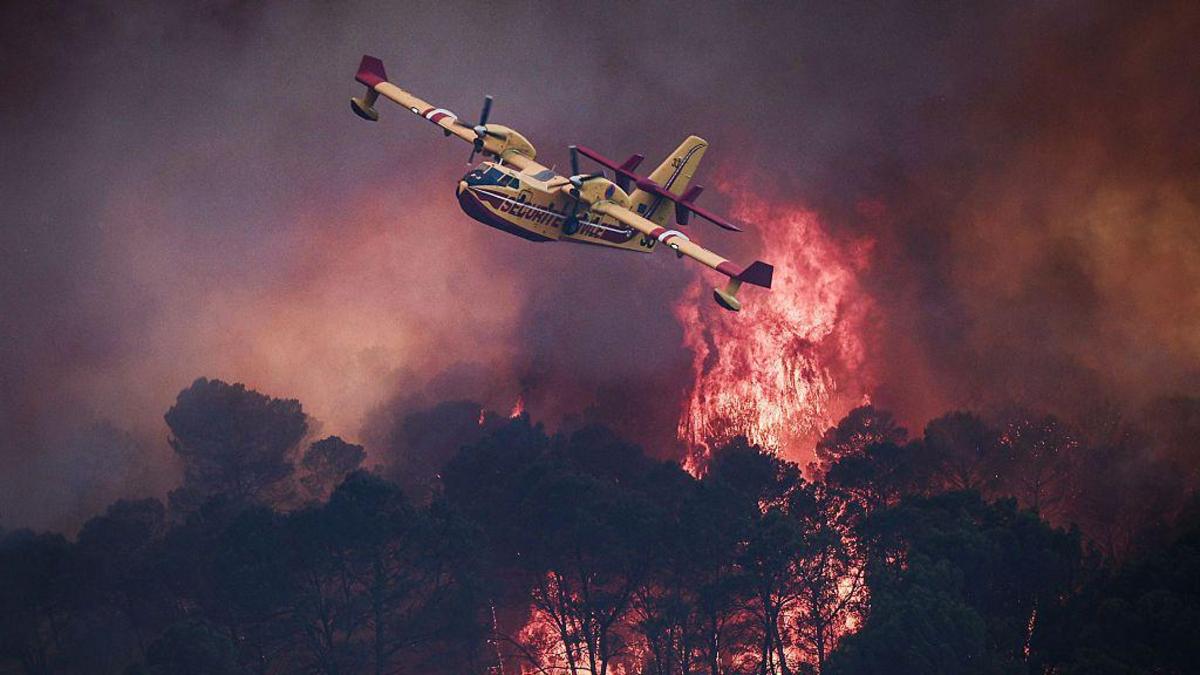
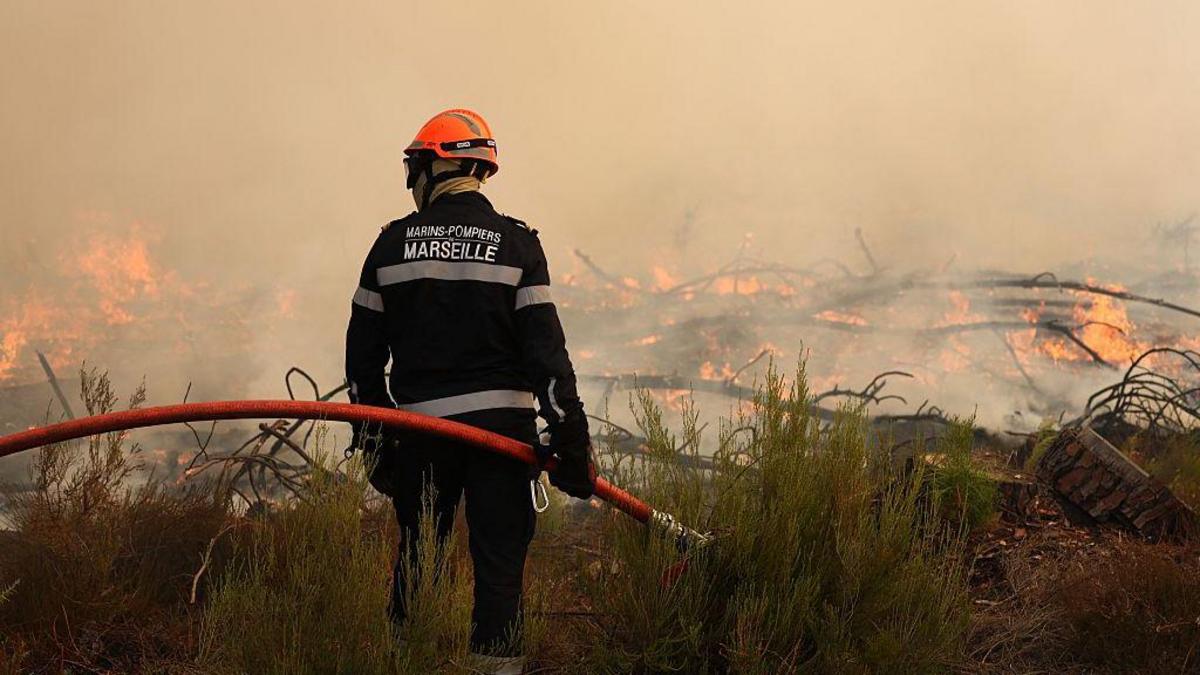
- Hundreds of firefighters are spending a third day battling the blaze, backed by two Swedish water-bombing aircraft and four helicopters (two Belgian, two Dutch)
- Belgian Interior Minister Bernard Quintin said two fire fronts heading toward Jalhay and Monschau were brought under control, though the active front remained a kilometre long
- Nicolas Yernaux, spokesman for Wallonia regional authorities, called it Belgium's "largest in recent history," noting firefighters let parts of the heathland burn because the bog-like terrain was inaccessible
- The fire's cause remains unknown because rescue teams could not reach where it broke out; two nearby villages were evacuated, though no homes have been affected
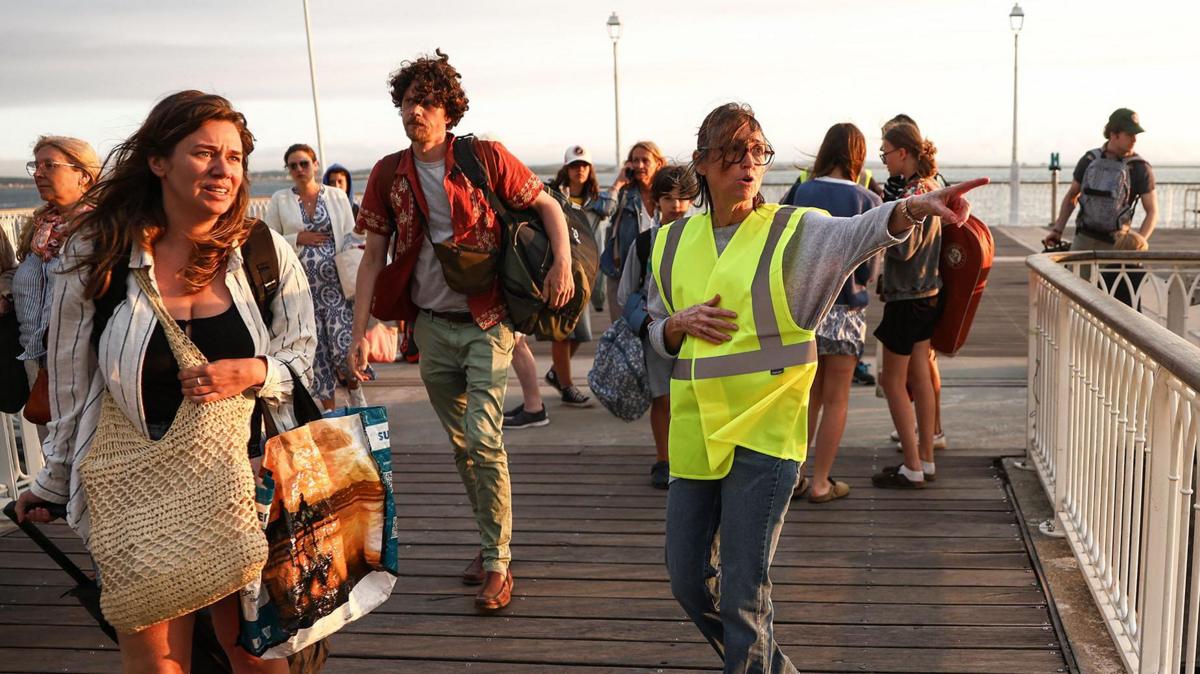
- The Belgian blaze is one of several European wildfires this weekend—at least two killed on a Greek island near Athens, 650 residents evacuated in France's Landes region, and blazes also reported in Croatia, Spain, and Serbia amid the EU-confirmed hottest June-to-July on record
Why it matters: Belgium's largest wildfire in recent history—3,000 hectares and still growing—has an unknown cause because crews literally cannot reach the ignition point. A kilometre-long active front keeps advancing despite Belgian, Swedish, and Dutch aerial support, leaving the country's limited firefighting capacity dependent on cross-border help during Europe's hottest recorded summer stretch.
Ask SkimNews