Astronauts' Hearts Pass Simulated Mars Gravity Test — SkimNews

Get the Health newsletter
Daily health & science — research, biotech, public health, the studies worth knowing. Free.
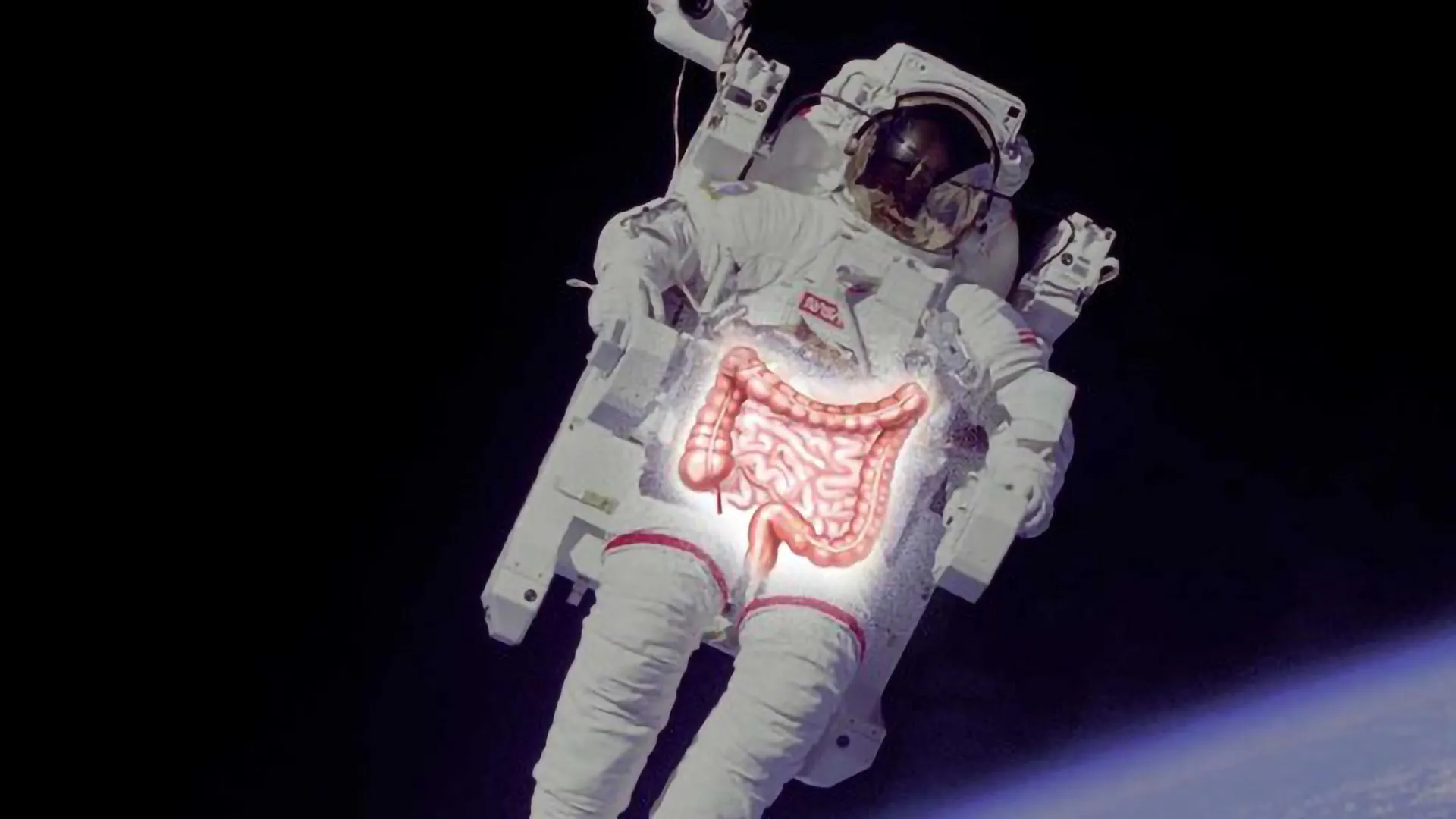
- Northwestern Medicine researchers tracked 13 astronauts who spent approximately six months on the International Space Station, finding their hearts adapted to weightlessness and handled simulated Martian gravity without major cardiovascular strain.
- The study, published in Circulation, is the first to investigate how the human heart responds to simulated Martian gravity after extended spaceflight, and was led by senior author Dr. James Thomas of Northwestern University Feinberg School of Medicine.
- Echocardiograms taken before, during, and after missions showed initial declines in cardiac filling and stroke volume during the first two weeks in space, but both metrics gradually improved and returned to near pre-launch levels as missions progressed.
- Through NASA's Exercise Countermeasures program, the astronauts exercised up to two hours daily — 30 to 45 minutes of endurance training plus 60 to 75 minutes of resistance training — to preserve cardiovascular fitness and muscle mass.
- In a simulated Martian gravity test in which each astronaut was tilted 22 degrees upward from a lying position, their hearts performed just as well after spaceflight as they had standing upright on Earth before their missions.
- Thomas said the findings give "reason to think that we would be able to traverse to Mars, get there and actually work on the surface of Mars," addressing what NASA has flagged as a major concern for crewed Red Planet missions.
Why it matters: NASA has flagged the heart's transition from months of microgravity to Martian gravity (about 38% of Earth's) as a major concern for crewed Mars missions. This 13-astronaut study provides the first direct evidence that the cardiovascular system can handle that transition, provided astronauts maintain the two-hour daily exercise regimen already standard aboard the ISS.
Ask SkimNews