Israel Votes in Deadlocked Election Over Gaza, Judiciary, Iran — SkimNews
Get the Geopolitics newsletter
Daily geopolitics — wars, elections, sanctions, the diplomatic moves that move markets. Free.
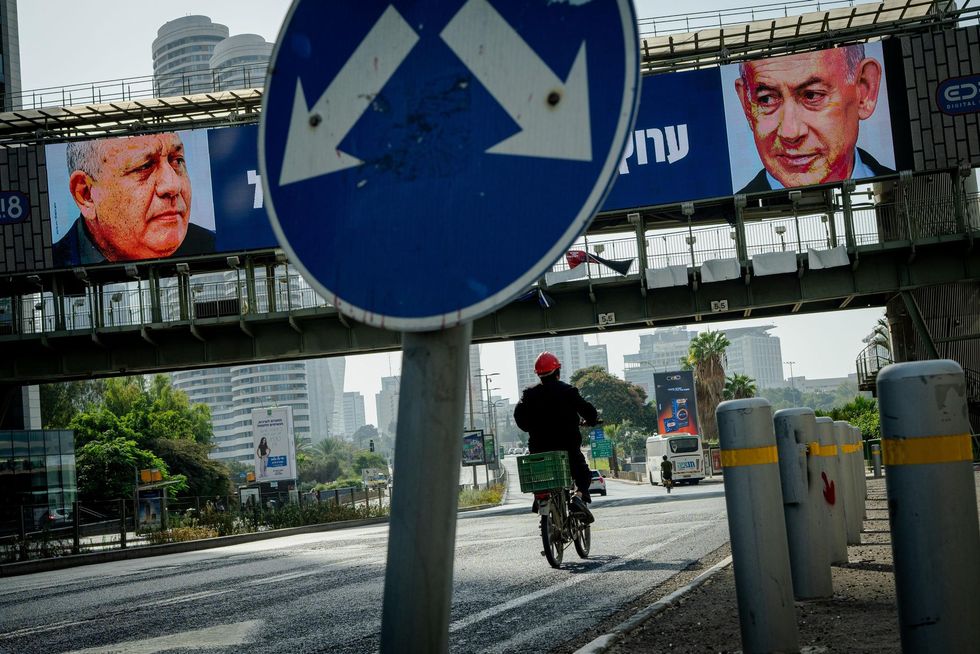
- Netanyahu campaigns on his military record and judicial overhaul legacy, with allies pushing for expanded West Bank settlements and Gaza resettlement, while final polls show his bloc at 50 seats.
- Gadi Eisenkot leads a centrist bloc focused on judicial independence, drafting ultra-Orthodox men, and cracking down on settler violence, with projections giving his camp 52–56 seats.
- Arab parties are projected to win 14–16 seats, potentially blocking Netanyahu’s majority, though Eisenkot’s bloc has ruled out governing with them despite Ra’am’s openness to talks.
- Yair Golan’s Democrats support a two-state solution and a state inquiry into the October 7 Hamas attack, opposing annexation and advocating for public services amid high defense spending.
- Settler violence and E1 expansion divide candidates: Netanyahu downplays international criticism, Eisenkot pledges to dismantle illegal outposts, while Yashar avoids committing to halt construction on E1.
- Iran and Hezbollah policy varies across camps—Netanyahu emphasizes unilateral action, Eisenkot backs U.S.-aligned deterrence, and Bennett proposes striking Iran in response to Hezbollah attacks.
Why it matters: The next government will shape Israel’s military engagements, judicial structure, and relations with Palestinians—yet no bloc can govern alone, making Arab parties kingmakers despite being politically isolated. With defense costs soaring and public opposition to statehood at 66%, any shift in policy faces deep constraints.
Ask SkimNews


