Okefenokee Swamp Nears UNESCO World Heritage Decision — SkimNews
Get the Energy newsletter
Daily energy & climate — solar, EVs, oil, the policy fights and tech bets shaping the transition. Free.
- Okefenokee National Wildlife Refuge is awaiting a final UNESCO World Heritage Committee decision in July at a meeting in Busan, South Korea, after its nomination was formally submitted in January 2025 and evaluated by International Union for Conservation of Nature scientists the same year.
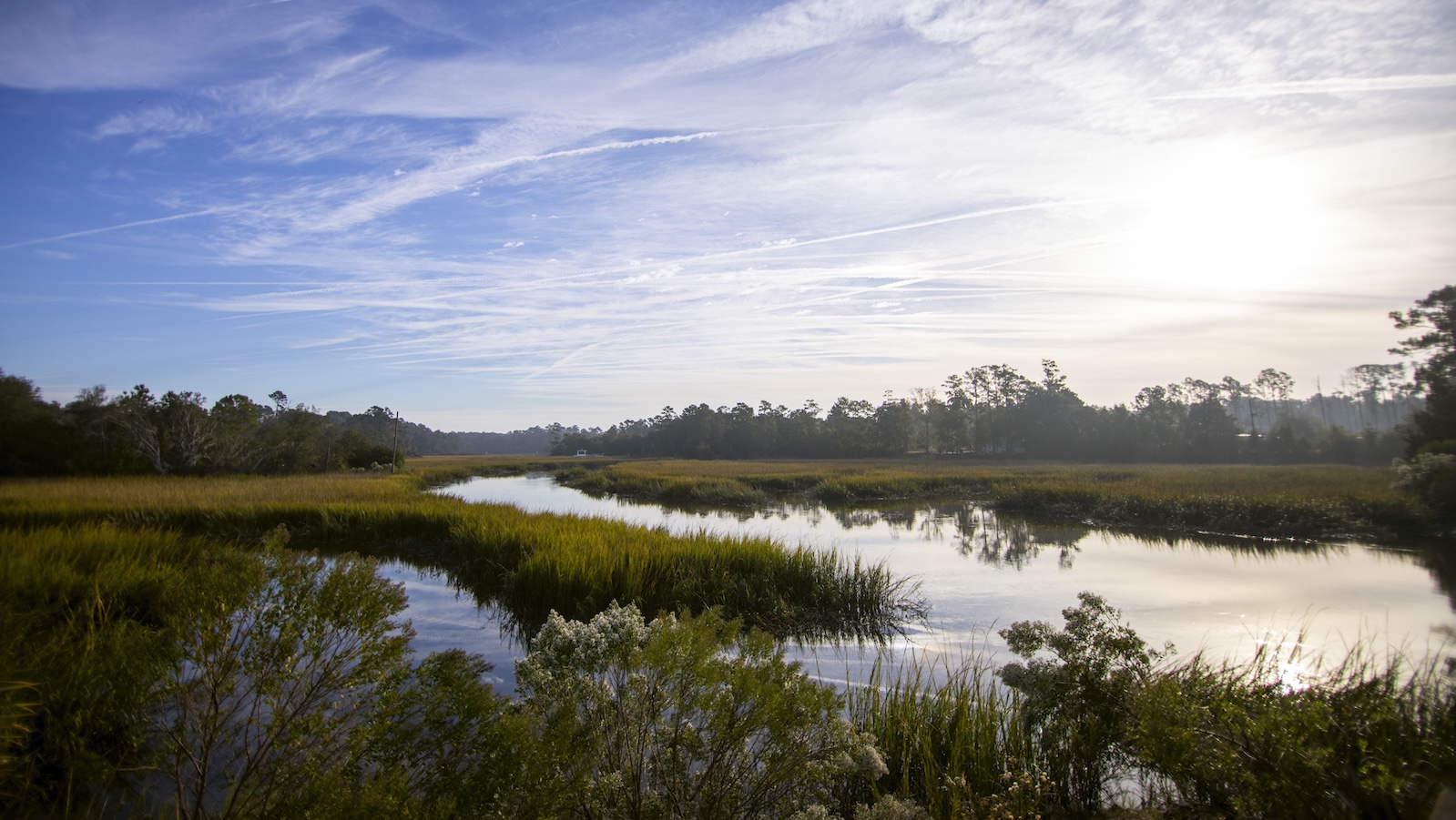
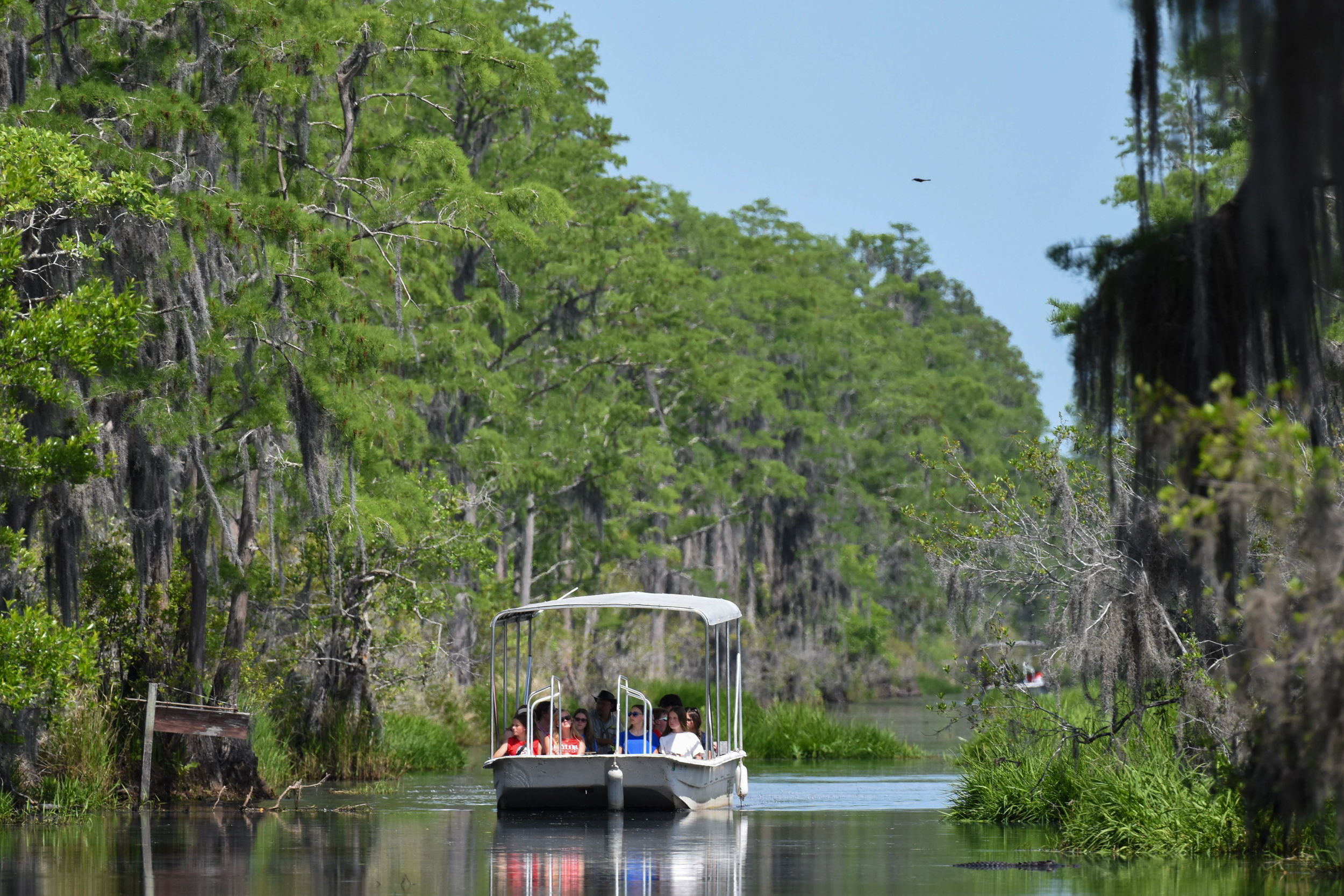
- The Okefenokee, the largest blackwater swamp in North America at roughly five times the size of Atlanta, hosts an estimated 15,000 alligators, nearly 250 bird species and 64 reptile species, and serves as a stronghold for endangered red-cockaded woodpeckers, wood storks and eastern indigo snakes.
- Peatland expert Hans Joosten of the world's leading peatland researchers told the outlet: "We do not have a similar peatland in the world in the subtropics," underscoring the swamp's intact peatlands, which function as a natural carbon sink with thousands of years of accumulated organic matter.
- President Donald Trump moved earlier this year to again withdraw the U.S. from UNESCO, but the withdrawal wouldn't take effect until December—months after the July decision—and the U.S. remains part of the World Heritage Convention, the international agreement governing the sites.
- The nomination has drawn bipartisan support, including from former Georgia Gov. Sonny Perdue, who served as Trump's agriculture secretary; World Heritage designations have also continued in the U.S. during previous withdrawals under both Trump and Ronald Reagan.
- Okefenokee Swamp Park executive director Kim Bednarek helped lead the multi-year campaign, which included raising money and demonstrating the swamp's "outstanding universal value"—the central UNESCO standard reserved for sites deemed significant to all of humanity.
Why it matters: If designated, the Okefenokee would join a small group of U.S. sites recognized for global ecological significance, and the timing would insulate the honor from the U.S. withdrawal from UNESCO, which doesn't take effect until December. The swamp's subtropical peatlands—unique globally, per expert Joosten—also give the designation a climate dimension rarely captured in coverage focused solely on the wildlife refuge politics.
Ask SkimNews