Scented Cleaners Create Nanoparticle Dose Rivaling Traffic — SkimNews
Get the Health newsletter
Daily health & science — research, biotech, public health, the studies worth knowing. Free.
- Brandon Boor of Purdue University led research showing that fragrance compounds released by scented cleaners react with indoor ozone to form nanoparticles within minutes, with airborne terpene concentrations during cleaning rising to tens or hundreds of times typical forest levels.
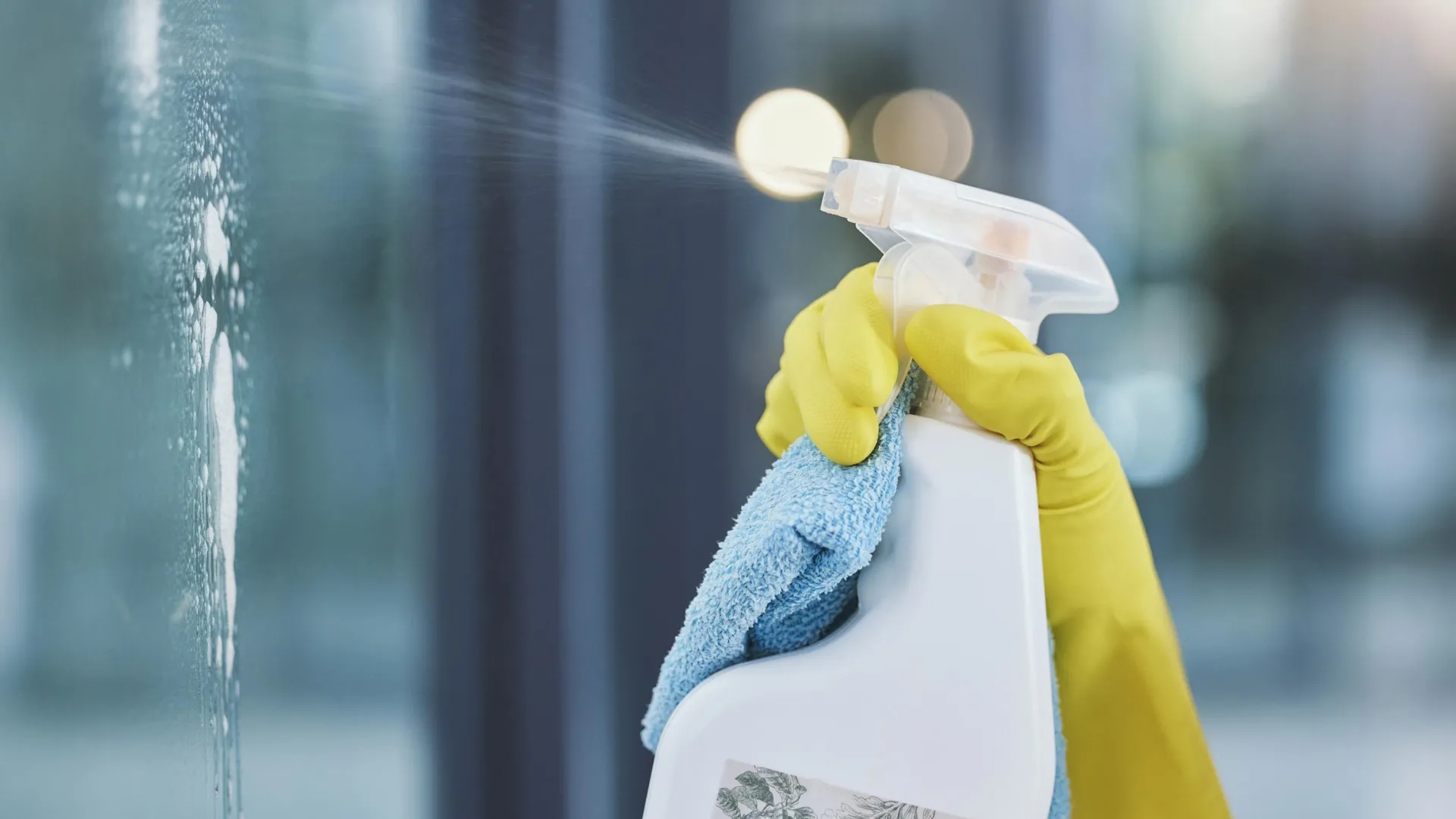
- Routine cleaning tasks such as mopping, spraying, and wiping surfaces generated billions or trillions of particles, most measuring just 1-30 nanometers across and falling outside the detection range of common home air quality monitors.
- The inhalation dose from these indoor nanoparticles can equal or exceed that of standing outside along a busy road, according to the study, though the particles differ in composition from traffic-related pollution.
- Combining scented surface cleaners with germicidal far-UV (UV-C) lamps intensified nanoparticle formation, as the lamps generate ozone that boosted indoor concentrations to roughly 20-40 parts per billion during experiments.
- The ultrafine particles can settle throughout the respiratory tract, reach deep lung regions, and potentially enter the bloodstream, where they may contribute to irritation and inflammation.
- Researchers recommend choosing fragrance-free products, running exhaust fans or opening windows, and avoiding simultaneous use of scented cleaners and ozone-generating devices to reduce exposure.
- The research was funded by a National Science Foundation CAREER grant and the Alfred P. Sloan Foundation, and was presented at the American Chemical Society's fall meeting in the 'Healthy Indoor Spaces' symposium.
Why it matters: Boor's finding reframes a daily health trade-off: the same scented products people reach for to disinfect surfaces can quietly expose them to ultrafine particle doses rivaling outdoor traffic pollution — invisible, rapid, and undetectable by home monitors. Consumers and building operators now have specific, actionable levers (unscented products, ventilation, avoiding ozone-device overlap) to cut that exposure without abandoning cleaning.
Ask SkimNews