Texas $50B Clean Energy Boom Threatened by Trump IRA Rollback — SkimNews
Get the Energy newsletter
Daily energy & climate — solar, EVs, oil, the policy fights and tech bets shaping the transition. Free.
- Texas developers invested roughly $62 billion in clean energy in the three years after the Inflation Reduction Act passed in 2022, and projects were forecast to deliver nearly $50 billion in lease payments and tax revenue to governments and landowners statewide.
- Trump administration rollbacks of clean energy policy and IRA incentives have already threatened or cancelled more than $4 billion in investment, with analysts estimating thousands of jobs lost and $20 billion shaved from state GDP by 2035.
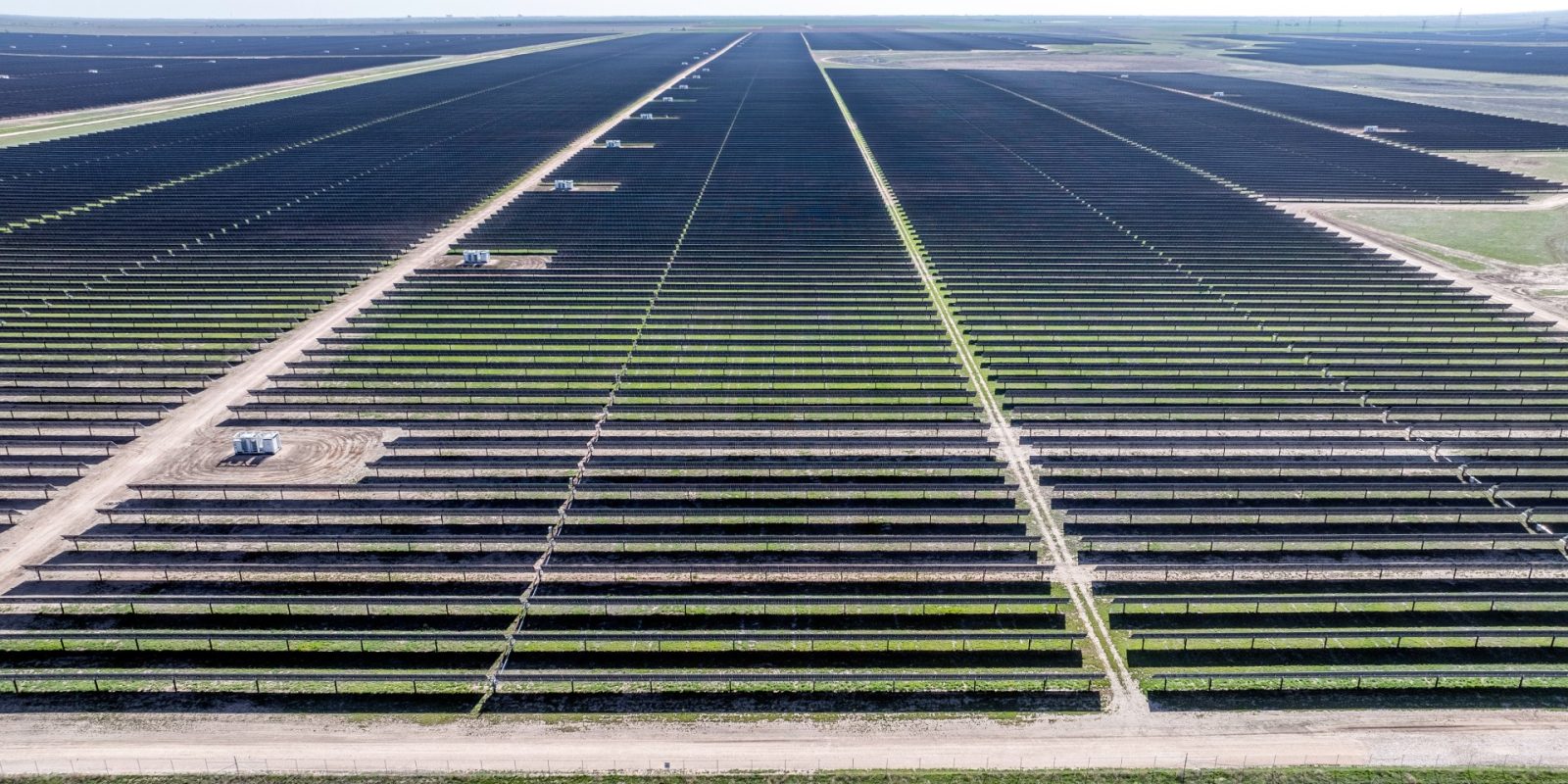
- Schleicher County saw its population fall from roughly 3,500 in 2010 to about 2,300 in 2024; the Live Oak wind farm has contributed nearly $16 million in taxes over six years, and a 430-megawatt solar farm is projected to add $225,000 annually to County Judge Charlie Bradley's $9.3 million budget.
- Scurry County built roughly a dozen wind and solar farms totaling about 2,300 megawatts, projected to generate nearly $1 billion for the county and landowners over the facilities' lifetimes and stabilizing a budget once whipsawed by volatile oil and gas revenues.
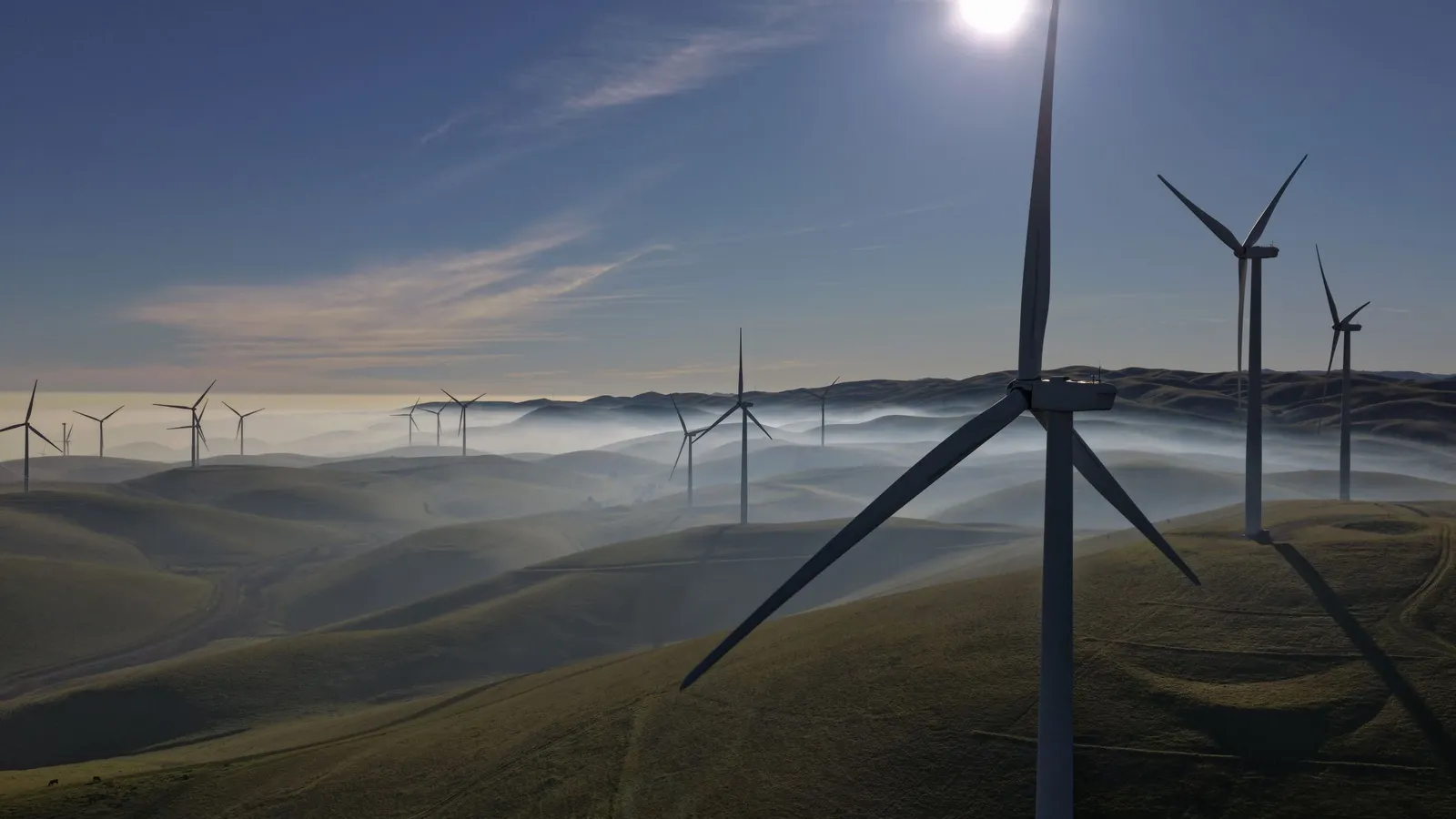
- Duff Hallman, a 74-year-old rancher 30 miles south of San Angelo, signed a wind lease in 2007 that brought 33 steel towers and 53 miles of new road to his 9,200-acre family ranch after oil wells dried up and federal wool subsidies vanished.
- Federal IRA tax credits could cover up to 70 percent of a clean energy facility's cost, including bonus incentives for projects in low-income communities and regions with a history of fossil fuel extraction — the foundation now shaken by federal policy changes.
Why it matters: Rural West Texas counties that watched oil revenues dwindle and populations shrink were counting on wind and solar to stabilize budgets and fund schools, hospitals, and roads. With the Trump administration pulling the IRA credits that covered up to 70 percent of project costs, more than $4 billion in investment is already threatened and the counties that signed leases and budgeted around renewable revenue now risk losing the fiscal lifeline before it fully materializes.
Ask SkimNews