‘Britain’s Yellowstone’: restoration project aims to take the greed out of land acquisition — SkimNews

Get the Energy newsletter
Daily energy & climate — solar, EVs, oil, the policy fights and tech bets shaping the transition. Free.
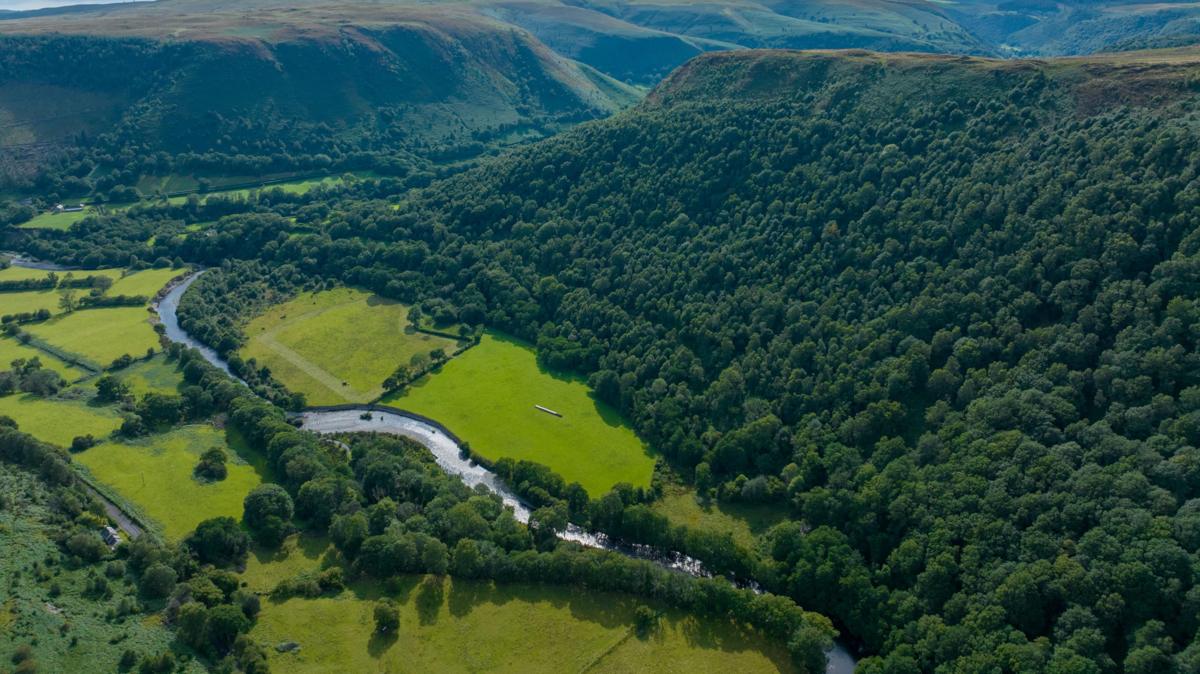
- Restore purchased 7,500-acre Emblehope Moor in northern Northumberland for £8.5m, financed in part by a £4.5m Triodos Bank loan, making it the largest contiguous rewilding site under single ownership in England.
- The project's signature model pledges to transfer the estate to local community or charitable ownership once investors receive a two-times return and the bank loan is repaid — founder Benedict Macdonald said it aims to "take the greed out" of upland land-holding.
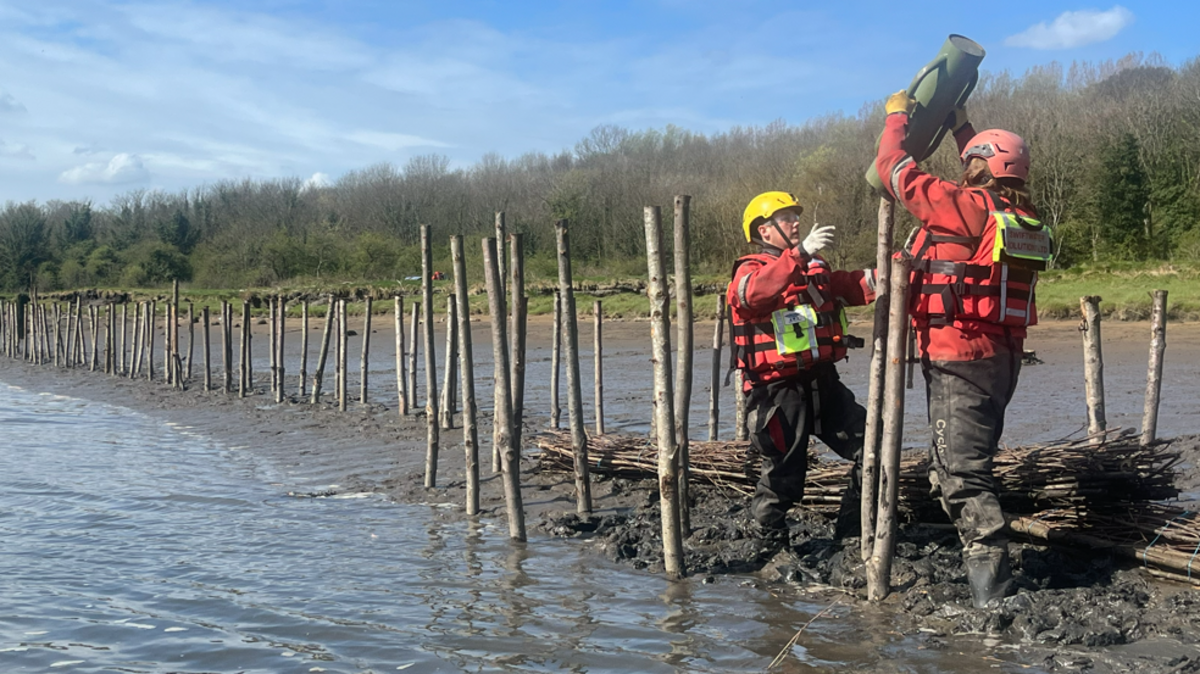
- First restoration tasks include rewetting parched peat moorland — modelling suggests this could store an additional 100,000 cubic metres of water, roughly 40 Olympic swimming pools — alongside removal of non-native sitka spruce plantations.
- Exmoor ponies will be introduced to graze down dangerous dry grassy thatch that poses a fire risk, while creating shorter sward that curlew chicks can currently not survive in.
- Restore expects most revenue to come from "natural capital" payments including carbon credits from restored blanket bog and "30x30 Restore units" — where corporations fund restoration of 30-metre by 30-metre habitat patches rather than biodiversity outcomes.
- Golden eagles, curlews, black grouse and eventually beavers are slated for reintroduction, but Macdonald said there are "no funded plans for lynx" despite the project's promotional videos teasing the predator.
- Environmentalist Ben Goldsmith has dubbed the surrounding mosaic — including the 148,000-acre Kielder Forest, Rothbury estate and College Valley — "Britain's Yellowstone."
Why it matters: Restore's hybrid capitalist-to-community model could become a national template for upland restoration if it delivers promised investor returns and transfers the land out of private hands. The scheme still needs to raise £4m, and its viability rests on emerging natural capital revenue streams — carbon credits and corporate habitat sponsorship — that have not been stress-tested at this scale in England.
Ask SkimNews