‘People start connecting the dots’: why an investment fund is rewilding a North Yorkshire estate — SkimNews

Get the Energy newsletter
Daily energy & climate — solar, EVs, oil, the policy fights and tech bets shaping the transition. Free.
- Rebalance Earth is funding rewilding of the 1,100-hectare Broughton Sanctuary estate near Skipton, with a 'few million' investment enabling restoration across roughly 700 hectares — two-thirds of the estate
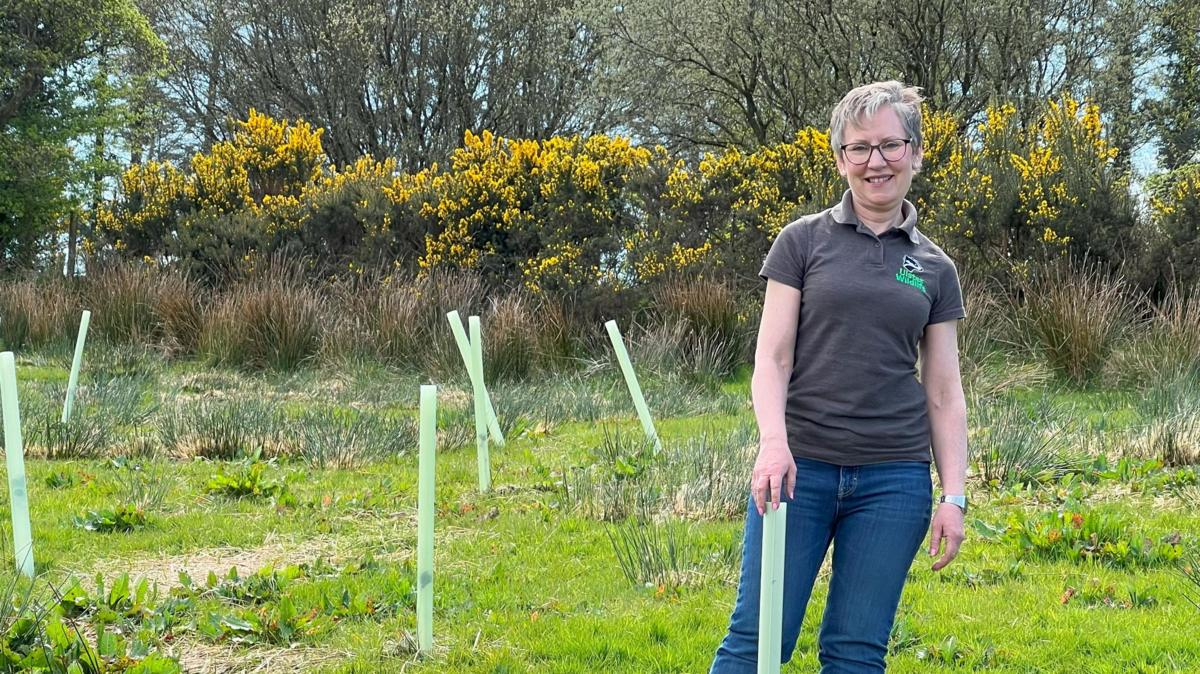
- The Broughton estate, held by the Tempest family for almost 1,000 years, has planted 330,000 native trees over the past five years; otters, curlews, and a pair of beavers — now with their second litter — have returned
- The investment is backed by the West Yorkshire Pension Fund, which has committed £25m to Rebalance Earth, while the £3.6bn Bedfordshire Pension Fund agreed earlier this month to a 3% allocation to natural capital investments
- Rebalance Earth sells biodiversity net gain (BNG) units and carbon credits to developers, tapping a market created by 2024 rules requiring all new road and housebuilding projects to deliver 10% biodiversity net gain or buy offsets
- Under the plan, spruce plantations will be felled and replaced with native species and shrubs, while Iron Age pigs and Dales ponies will replace sheep on former pasture to break up compacted soil and diversify habitat
- CEO Rob Gardner, a former City investment banker at St James's Place, argues the UK's May heatwave and record June temperatures followed by heavy rainfall are shifting investors and the public from seeing climate disruption as 'episodic' to systemic
- Rebalance Earth's wider portfolio includes oyster reefs off north Norfolk (for marine ecosystem restoration, not eating) and a 'rewiggling' project on the artificially straightened River Evenlode in Oxfordshire with 50 farmers
Why it matters: Pension funds are now pricing nature as investable infrastructure: West Yorkshire's £25m commitment and Bedfordshire's 3% natural-capital allocation show local government pensions actively funding rewilding as a financial asset class, not philanthropy. The BNG-credit mechanism — where developers who can't deliver 10% biodiversity net gain on site become paying customers — turns ecological restoration into recurring revenue for landowners like Broughton.
Ask SkimNews