Strait of Hormuz Needs a Danube-Style Commission — SkimNews
Get the Geopolitics newsletter
Daily geopolitics — wars, elections, sanctions, the diplomatic moves that move markets. Free.
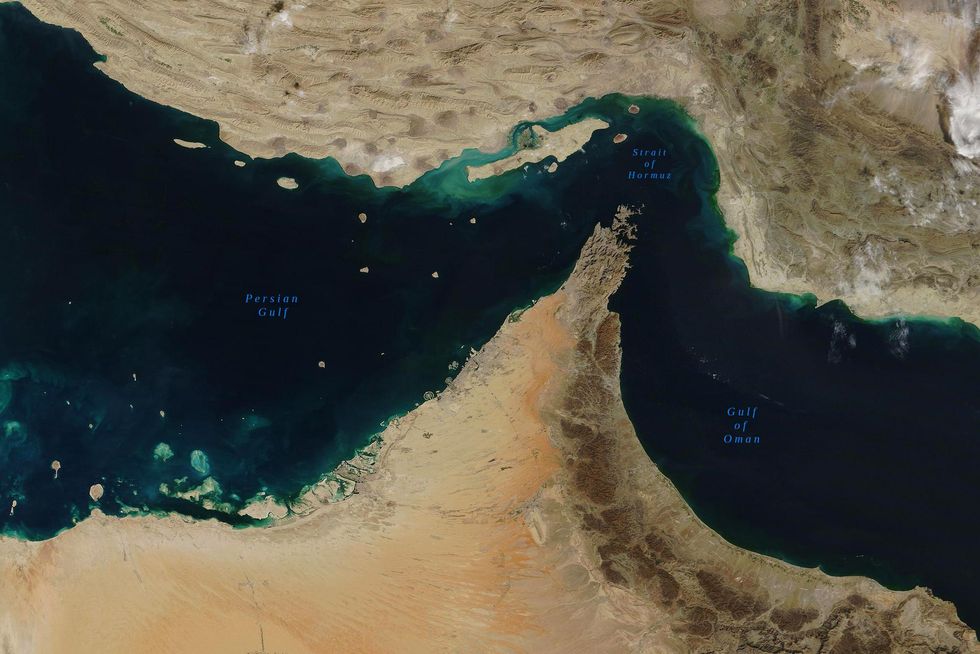
- Gulf states have borne the brunt of Iranian drone and missile strikes during the US-Iran conflict and are pursuing direct talks with Iran via Oman to reopen the Strait of Hormuz to commercial shipping.
- Recent Houthi and Iran-backed Iraqi militia attacks on Bab Al-Mandab and Saudi Arabia's East-West Pipeline have exposed the limits of alternative shipping routes and the US security umbrella.
- The 1856 Treaty of Paris created the European Commission of the Danube, an independent body that managed navigation, charged tolls, and operated for over 85 years while rival powers retained sovereignty.
- The proposed Strait of Hormuz Commission would be overseen by a board of the eight Gulf-bordering countries, with the US, Asia, and Europe joining through an advisory body without veto power.
- The commission's narrow initial mandate would cover safe commercial passage, escort and rescue services, and required naval transit reporting — with sensitive military deconfliction functions added incrementally as trust builds.
- The governing principle would be 'shared management without shared sovereignty': neither Iran nor Oman would relinquish territorial claims, and the commission would acquire no sovereignty over the strait.
Why it matters: It offers an institutional escape hatch from the US-Iran standoff: if adopted, all eight Gulf-bordering nations — including rival Iran — would share governance of a vital shipping lane through an independent, toll-funded commission. The trade-off is accepting an institutional role for Iran in exchange for the transit reliability that US freedom-of-navigation operations alone can no longer guarantee.
Ask SkimNews