Country diary: After the devastating summer fires, the first green shoots | Amanda Thomson — SkimNews

Get the Energy newsletter
Daily energy & climate — solar, EVs, oil, the policy fights and tech bets shaping the transition. Free.
- A planting party planted more than 3,000 cell-grown trees in an affected glen, including goat and creeping willow, downy birch and alder, to restore a montane habitat devastated by overgrazing.
- Cairngorms Connect Tree Nursery grew trees from seed collected in nearby remnant populations as part of an ongoing landscape-restoration programme.
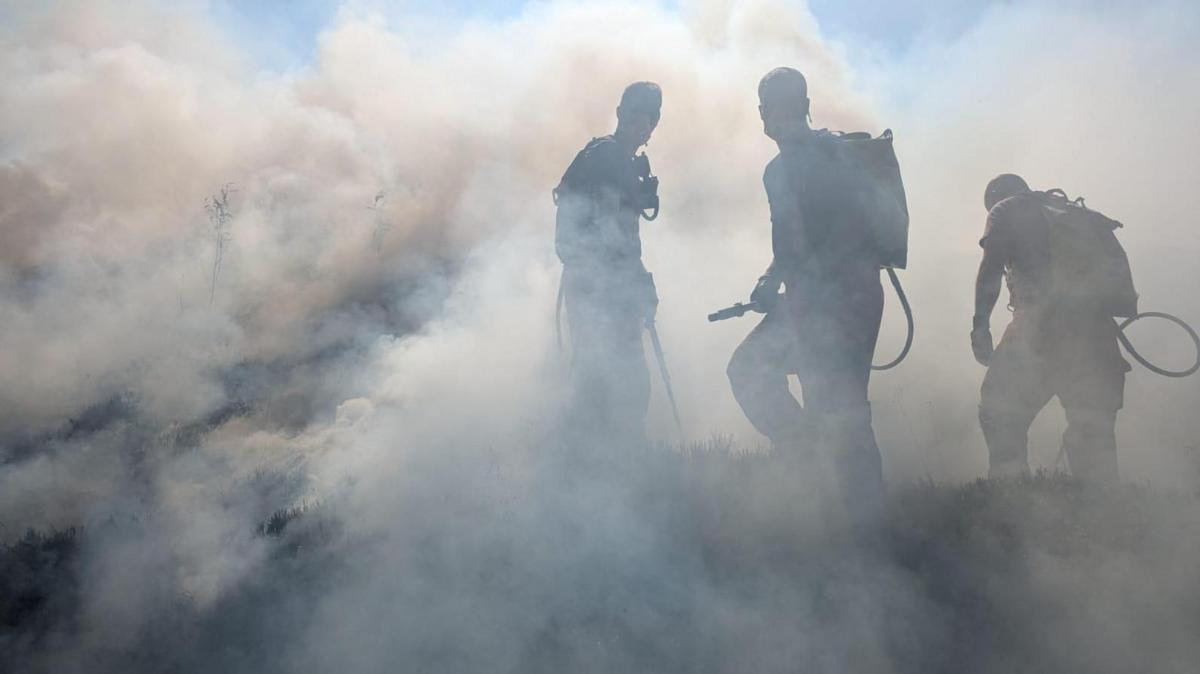
- The Cairngorms fire engulfed 25 square kilometres of moorland and forest, burning deep into roots and peat where it slowed in the forest.
- Workers were still treating hotspots and “smokers” more than a month after the fire, while some areas remained off limits because of falling-tree hazards.
- The fire’s boundary was strikingly sharp: bog asphodel and scabious bloomed and a black grouse lek continued in unscathed ground, while burnt ground could be walked easily where thick heather normally slowed progress.
- New growth on the blackened ground included clumps of deer-grass, bright green bracken and fern fronds, birch shoots and blaeberry shoots.
- Pyrophilous fungi emerged in the charcoal and help create the conditions needed to spark new growth.
Why it matters: The 3,000-plus planting of Cairngorms Connect Tree Nursery’s locally sourced trees ties fire recovery to a longer ecological repair: montane species address habitat damage left by overgrazing, not just the burn. New shoots show that restoration encompasses both organised planting and vegetation re-emerging on charred ground.
Ask SkimNews