Fears for mature Scots Pines burned by huge Highland wildfire — SkimNews

Get the Energy newsletter
Daily energy & climate — solar, EVs, oil, the policy fights and tech bets shaping the transition. Free.
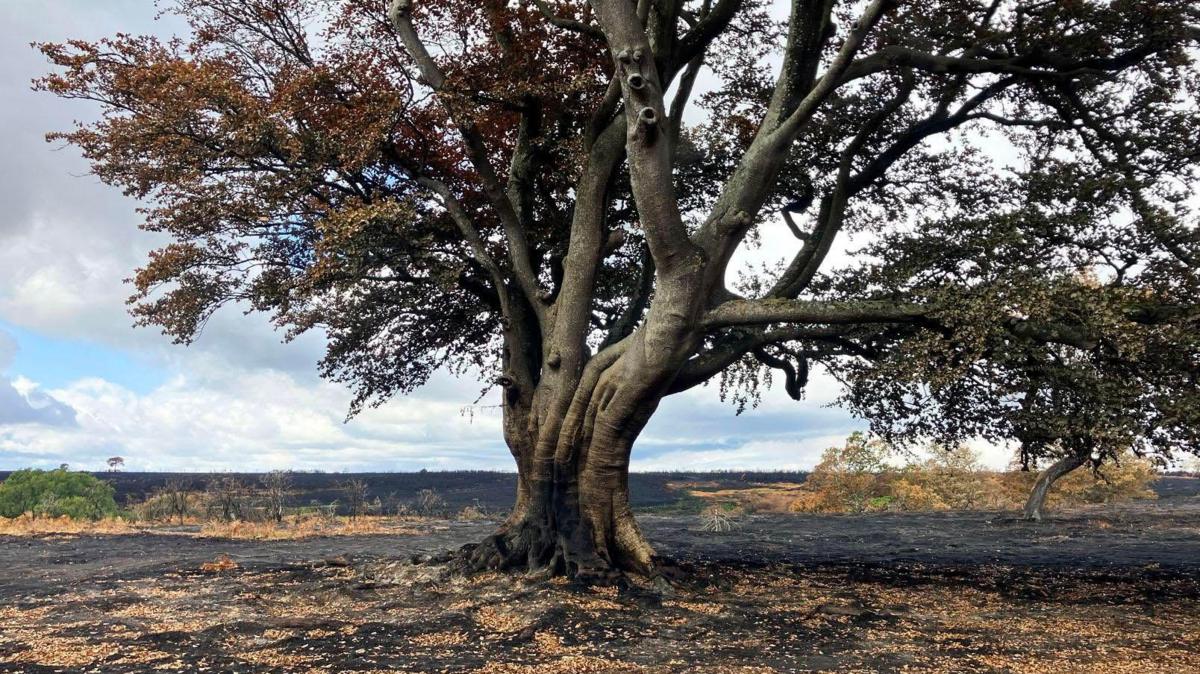
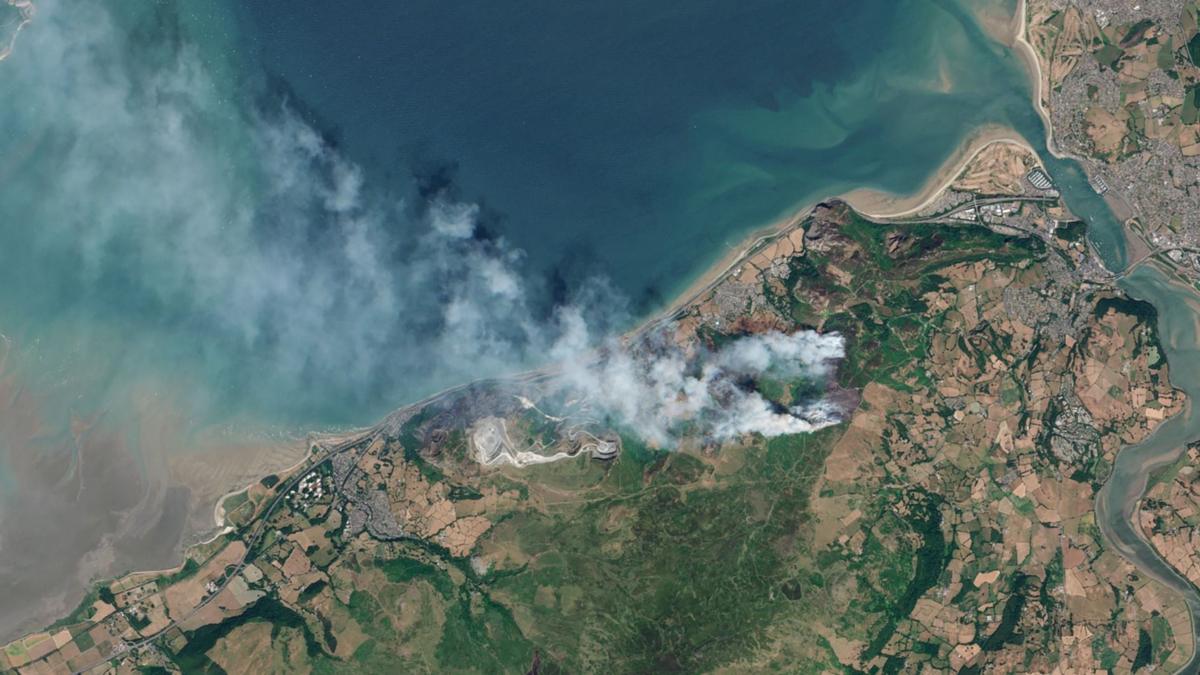
- Forestry and Land Scotland reported that the summer wildfire around Glenmore in the Cairngorms burned through about 10 square miles of forest and moorland near Aviemore in July and August.
- Eelco de Jong said birch, rowan and willow are regenerating from surviving stems and root systems, with the broadleaf recovery described as promising and the plants expected to grow back quickly.
- Glenmore hillsides are turning green again as grasses, bracken and blaeberry return, particularly where moisture remained in the soil or fire intensity was lower.
- Deer and capercaillie are now regularly spotted in the burned area, attracted by the new grass growth.
- Organic soil layers in the burned area were badly affected, leaving what FLS forester Eelco de Jong called “significant challenges” ahead.
- The oldest “granny pines” could be lost, including trees more than 100 or 200 years old; de Jong said their loss would remove important seed sources and capercaillie habitat, with similar trees taking centuries to return.
Why it matters: Across roughly 10 square miles burned near Aviemore, birch, rowan and willow regrowth shows recovery is already under way. But losing pines more than 100 or 200 years old would remove seed sources and capercaillie habitat, with comparable trees taking centuries to return.
Ask SkimNews