UK Wildfires Gut Three RSPB Bird Reserves — SkimNews

Get the Energy newsletter
Daily energy & climate — solar, EVs, oil, the policy fights and tech bets shaping the transition. Free.
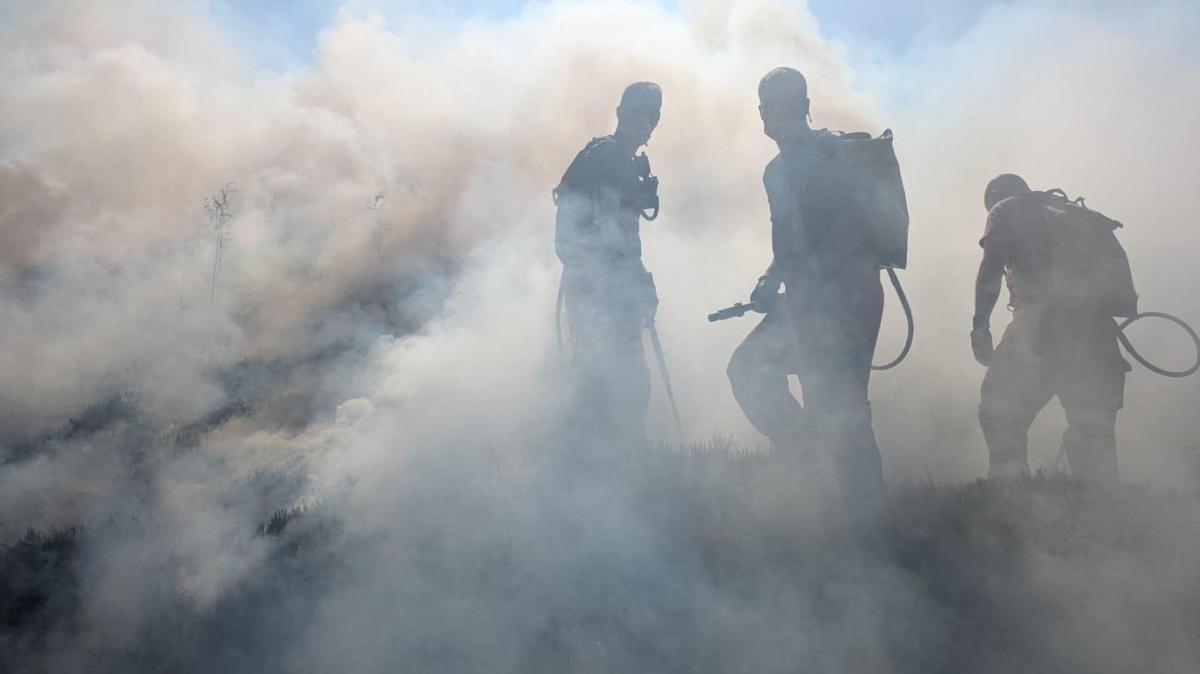
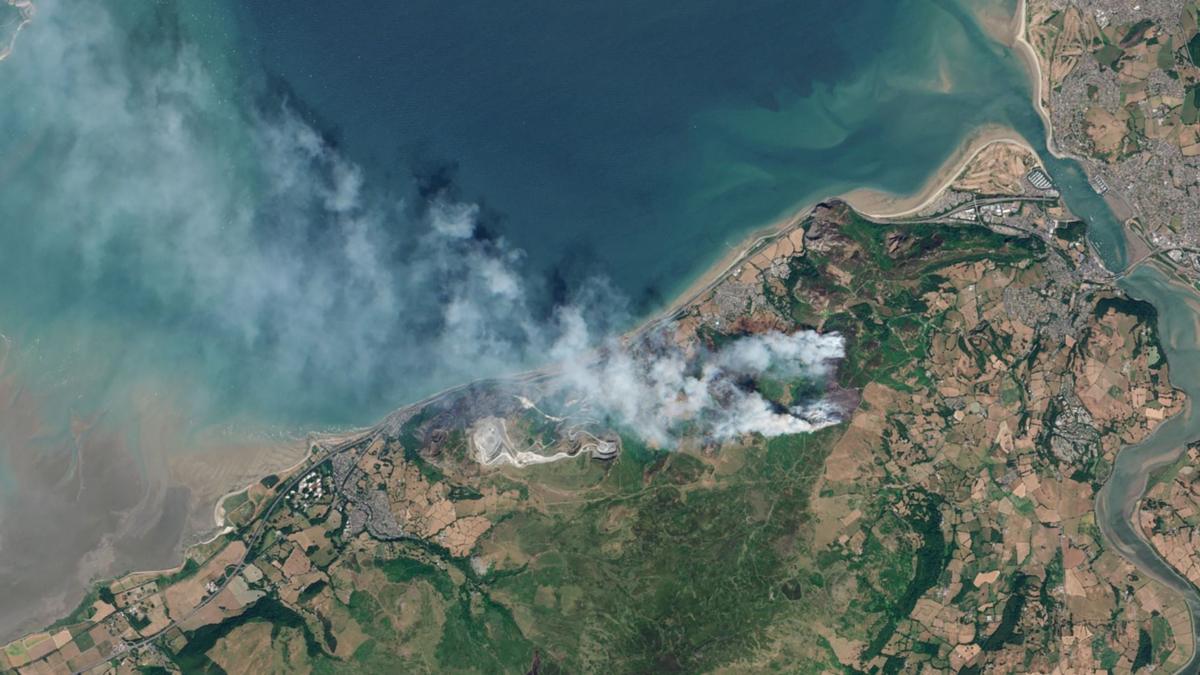
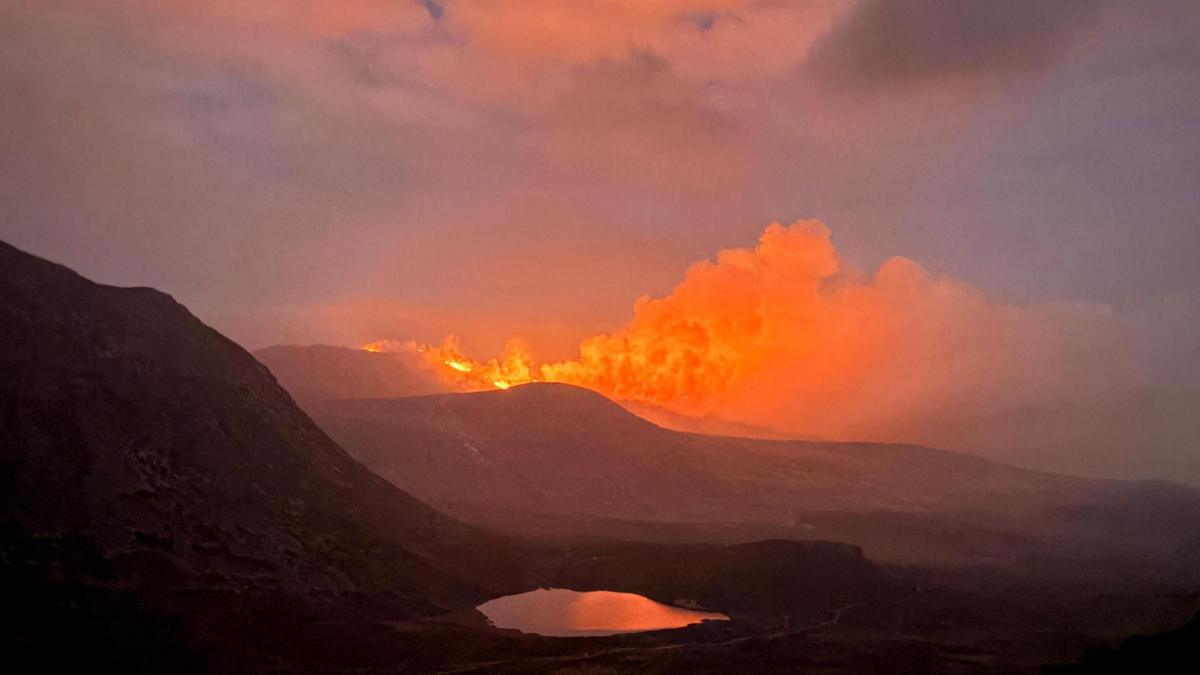
- RSPB's Abernethy reserve in the Cairngorms was largely destroyed by a mid-July wildfire, threatening declining species including black grouse, capercaillie, Scottish crossbill, and crested tit; the fire was contained before reaching the evacuated village of Nethy Bridge.
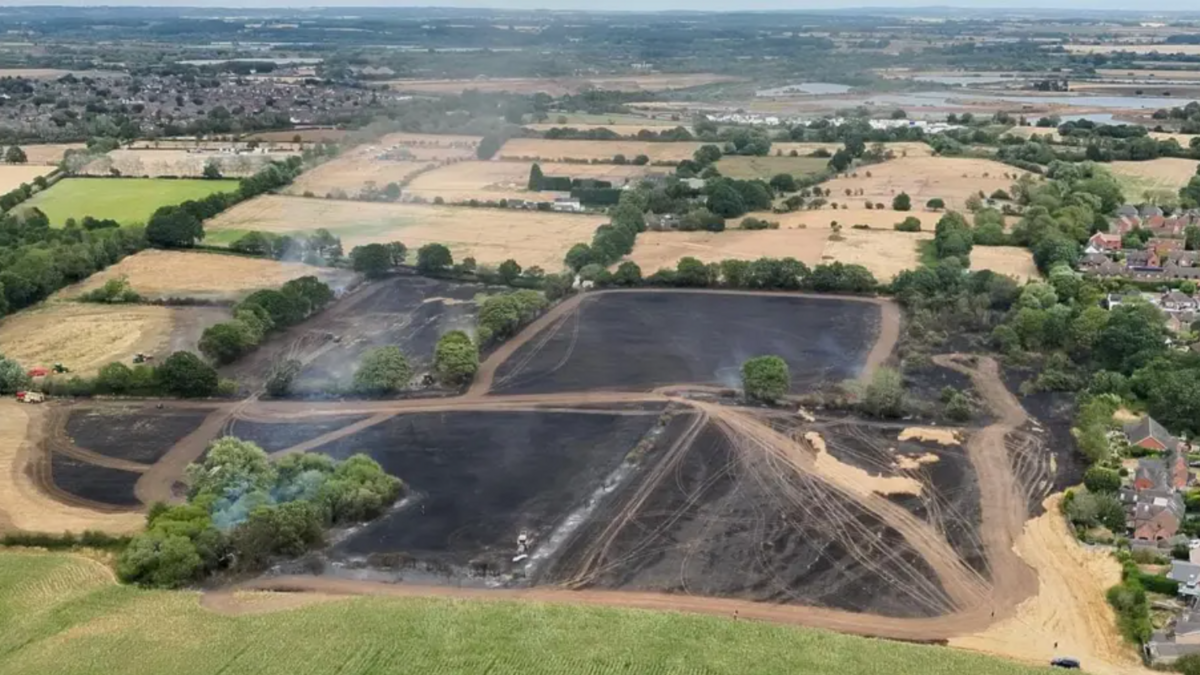
- Dunwich Heath fire on the edge of RSPB's Minsmere reserve in late July destroyed lowland heath — described as one of Britain's most globally important habitats — with woodlark, Dartford warbler, and nightjar potentially absent for many years.
- New Forest wildfire in early August destroyed breeding habitat for the same three heathland specialists, compounding losses from the Minsmere blaze.
- Lowland heath is uniquely vulnerable because the habitat is concentrated in the warmest and driest parts of southern and eastern England, precisely where fire risk is rising fastest.
- The article attributes the habitat destruction to the particularly hot and dry summer, framing it as a direct consequence of a rapidly heating world.
Why it matters: Across three fires in one summer, the same trio of heathland specialists — woodlark, Dartford warbler, and nightjar — lost habitat at both Minsmere and the New Forest, with conservationists warning a Minsmere return could take many years. Because these threatened species depend on habitat confined to the UK's driest, warmest regions, the very climate trend behind the destruction is also reshaping where they can survive.
Ask SkimNews