UK Wildfires Double in July as Nature Reserves Burn — SkimNews
Get the Energy newsletter
Daily energy & climate — solar, EVs, oil, the policy fights and tech bets shaping the transition. Free.
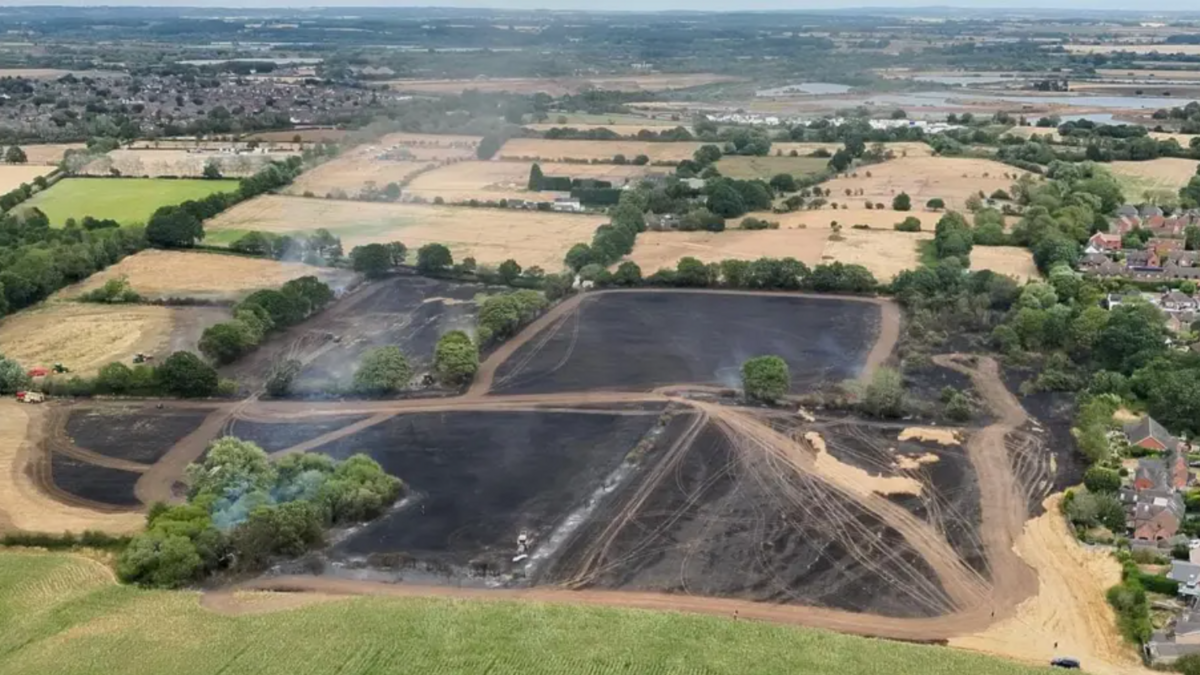
- Staffordshire Fire and Rescue Service attended about 600 outdoor fires in July, roughly double the number recorded in the same month last year, including three blazes at Cannock Chase where adders and toads were killed in the protected heathland.
- A fire at Portway Hill in Oldbury destroyed scarce plants including pyramidal and bee orchids and a rare colony of marbled white butterflies; Birmingham & Black Country Wildlife Trust's Dan Brown said it will take years of work to restore the meadow.
- A fire in Cairngorms National Park, Scotland, has burned about 10 sq miles (26 sq km) of moorland and forestry, damaging the RSPB's Loch Garten reserve at Abernethy — killing insects, reptiles, trees, lichens and mosses.
- At Dunwich Heath in Suffolk, a fire that started last week has burned about 371 acres (150 hectares) of lowland heath; the National Trust described the impact as 'absolutely devastating.'
- Dr Kate Ashbrook of the University of Worcester said the most important action is to 'protect the unburnt habitat,' warning that true ecological recovery depends on soil fungi returning and that loss of mature woodland could take decades to reverse.
- Dominic Buscall, founder of Wild Ken Hill in Norfolk — hit by fire in 2022 — said vegetation regenerated quickly and wildlife has steadily recolonised the affected areas, calling natural systems 'remarkably robust' given the chance.
- Dan Brown of Birmingham & Black Country Wildlife Trust said the biggest factor reducing wildfire risk is people's behaviour, urging the public not to light disposable barbecues or campfires in green spaces and to take litter home.
Why it matters: Staffordshire logged about 600 outdoor fires in July alone — double last year — and conservationists warn that restoring lost habitats at sites like Cannock Chase and the Cairngorms will take decades, leaving already-struggling UK wildlife more exposed as hotter, drier summers become the norm.
Ask SkimNews


