Kent meningitis strain stole genes from harmless bacteria — SkimNews

Get the Health newsletter
Daily health & science — research, biotech, public health, the studies worth knowing. Free.
- A March outbreak at a Canterbury nightclub infected 21 people — mostly university or high school students — with Neisseria meningitidis group B, sending 9 to intensive care and killing 2.
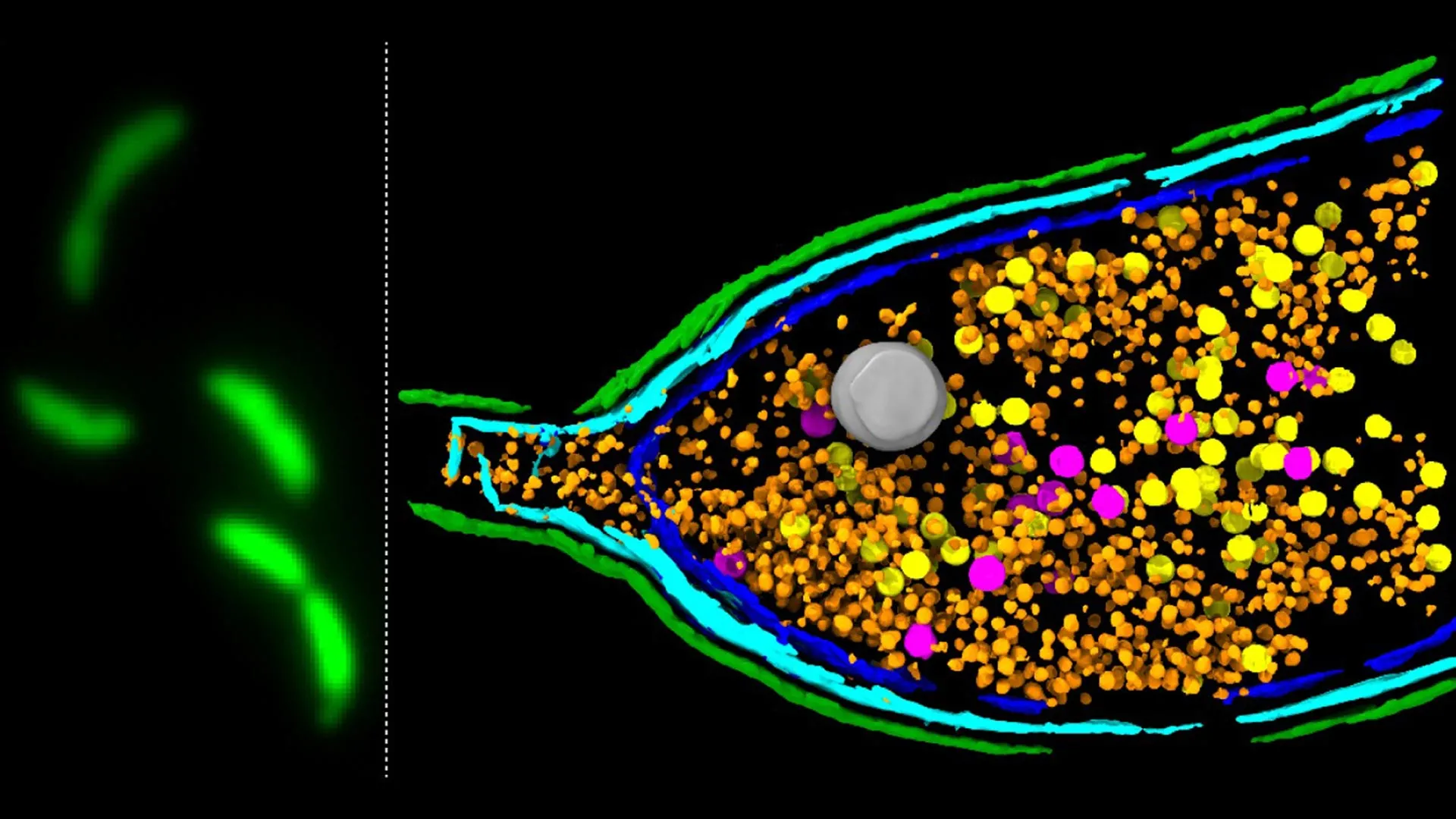
- Martin Maiden's team at the University of Oxford sequenced genomes from six infected patients, finding them nearly identical and pointing to a single source, then compared one genome against 48,000 prior Neisseria strains.
- The Kent strain acquired genes via horizontal transfer from a harmless N. meningitidis variant and Neisseria cinerea — carried harmlessly by up to 28% of adults — boosting iron uptake from blood and stripping sugar coating from the bacterial pilus.
- Those genetic changes let the bacteria clump together, evading neutrophil destruction because immune cells cannot engulf clumps too large to swallow.
- All 21 cases occurred within about a week, which Emma Wall of Queen Mary University of London called an "unprecedented" timeline for a UK meningococcal outbreak.
- The outbreak ended quickly, according to Maiden, because severely ill patients were too sick to transmit the bacteria further.
- The UK government launched a menB vaccination programme in September or October for young people starting university or further education.
Why it matters: The Kent cluster killed 2 of 21 infected within roughly a week, exposing how fast a single strain can sweep through socially-mixing young adults. Researchers say the gene-acquisition mechanism could inform better vaccines by targeting the iron-uptake and pilus features, but Maiden warns future invasive strains remain inherently unpredictable — leaving the UK's new menB rollout for incoming students as the practical near-term response.
Ask SkimNews