Bacteria Burst Open to Share Resistance Genes — SkimNews
Get the Health newsletter
Daily health & science — research, biotech, public health, the studies worth knowing. Free.
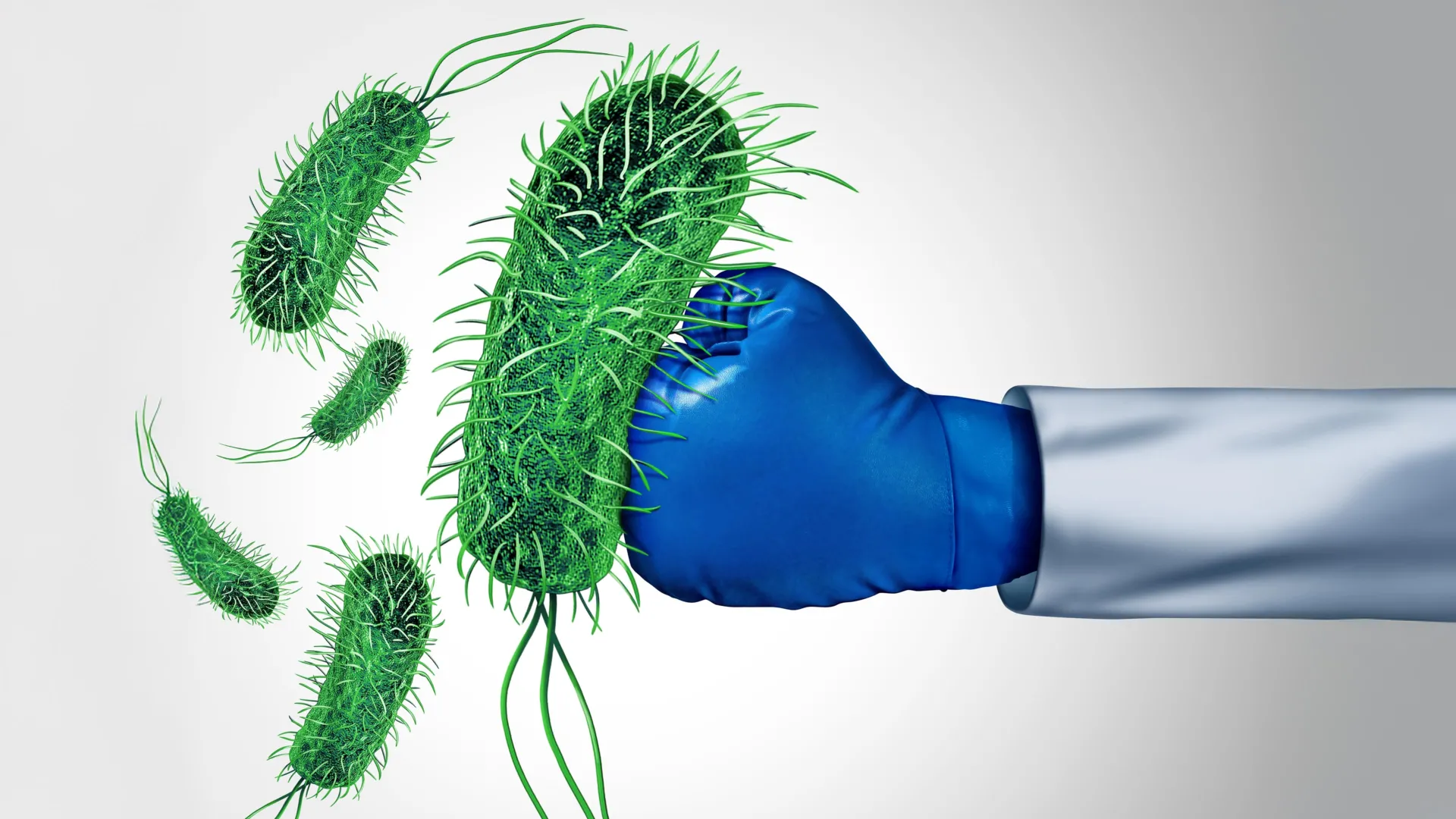
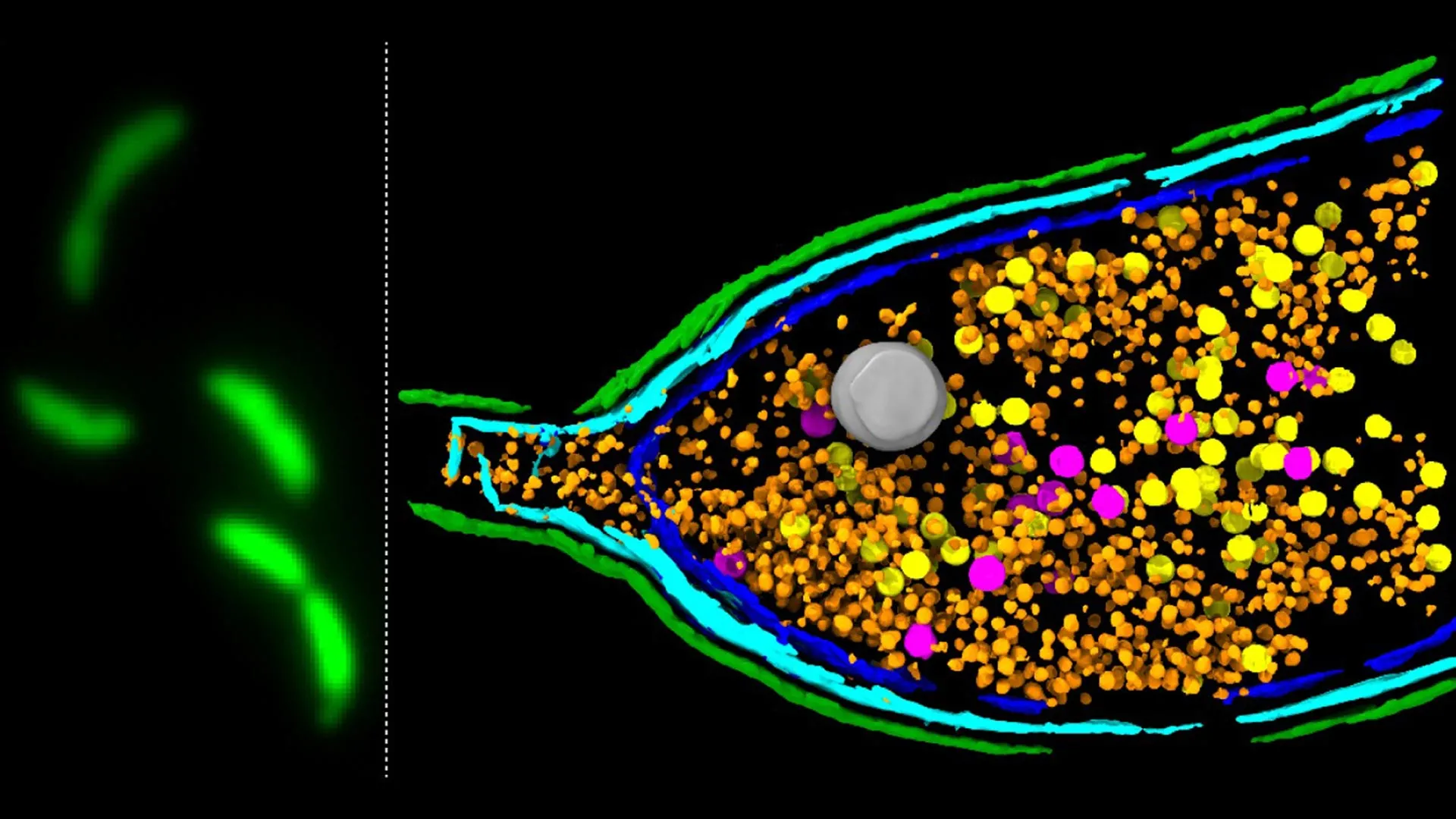
- John Innes Centre researchers identified a three-gene control hub called LypABC that triggers bacterial cells to burst open and release gene transfer agents (GTAs) — virus-like particles that shuttle DNA, including antibiotic resistance genes, to neighboring bacteria.
- Using deep sequencing-based screening in the model bacterium Caulobacter crescentus, the team found that deleting lypABC prevented cells from lysing, while overexpressing the genes caused widespread cell rupture.
- LypABC closely resembles a bacterial anti-phage immune system, containing protein domains typically used to defend against viruses, yet bacteria have repurposed it to instead enable DNA release and horizontal gene transfer.
- Published in Nature Microbiology with collaborators at the University of York and the Rowland Institute at Harvard, the study also identified a regulatory protein that keeps GTA activity in check, since misregulation of LypABC is highly toxic to cells.
- Dr. Emma Banks, first author and a Royal Commission for the Exhibition of 1851 Research Fellow, said the finding shows 'immune systems can be repurposed to help bacteria share DNA with each other.'
- The next research step is to determine how the LypABC hub is activated and how it physically controls the rupture of bacterial cells.
Why it matters: The discovery gives researchers a specific molecular target — the LypABC hub — for tackling antimicrobial resistance, which the John Innes Centre calls 'a growing global health threat.' The study pinpoints exactly how bacteria trigger their own explosive DNA release, providing a concrete entry point for disrupting gene sharing between cells.
Ask SkimNews