Scientists revive a powerful antibiotic that superbugs had defeated — SkimNews
Get the Health newsletter
Daily health & science — research, biotech, public health, the studies worth knowing. Free.
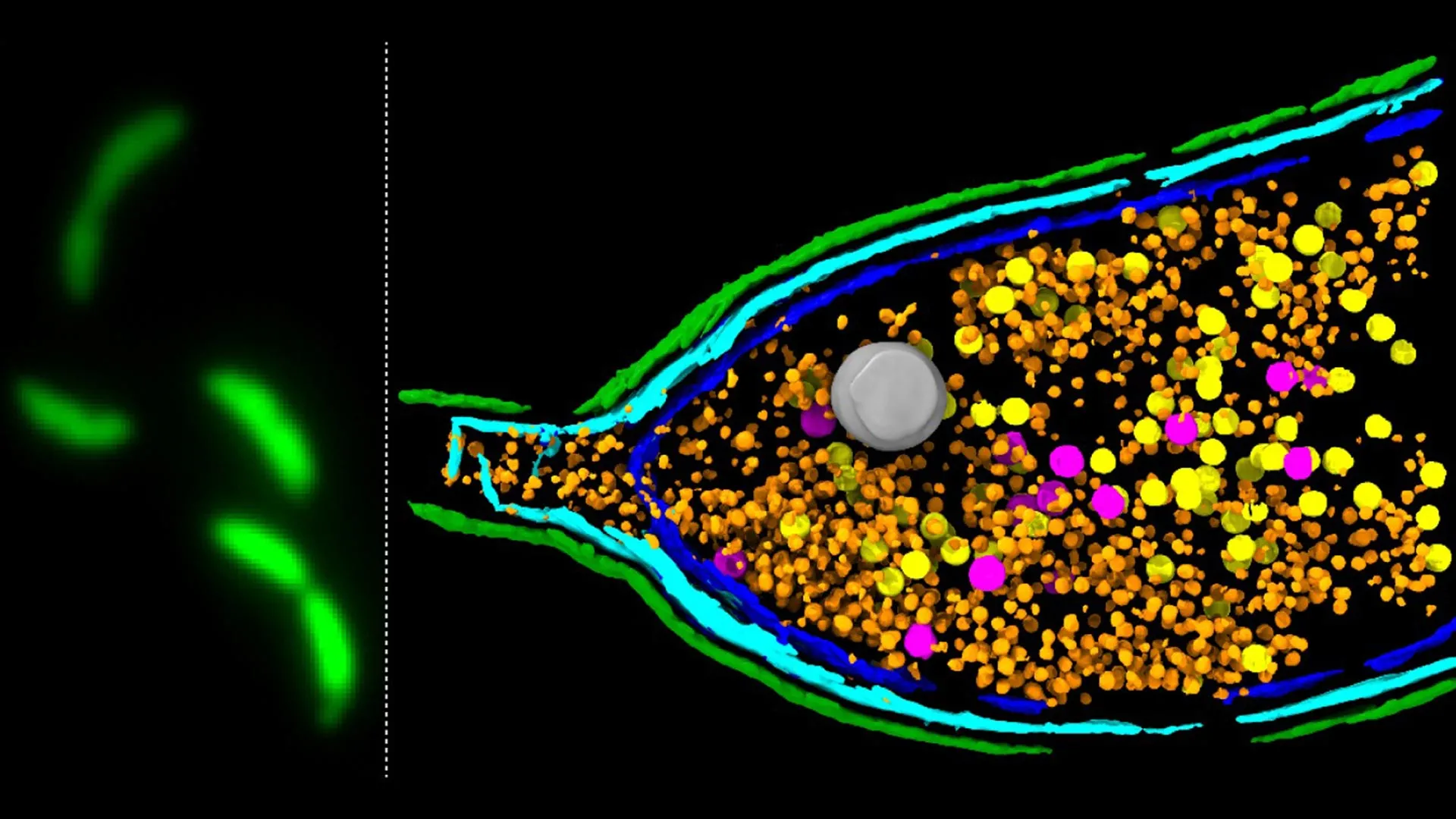
- Cold Spring Harbor Laboratory and Scripps Research restored vancomycin's effectiveness against drug-resistant E. faecium by pairing the antibiotic with pghi-4, a small molecule that blocks the bacterial enzyme secreted antigen A (SagA).
- pghi-4, first discovered in the Moses laboratory in 2020, does not kill bacteria directly; it acts as an antibiotic adjuvant that rehabilitates a failing drug rather than replacing it.
- Professor John Moses said the discovery came from fundamental chemistry research rather than a targeted antibiotic hunt, noting his lab's diversity oriented clicking (DOC) technique produced a library of more than 150 compounds that have now fed both resistance and cancer research.
- Vancomycin is a frontline treatment for severe infections including MRSA and Clostridium difficile, both of which can develop resistance and spread through hospitals, nursing homes, and communities.
- Moses's team is making its molecular library available to outside researchers and explicitly named drug-resistant tuberculosis as a candidate target for the same adjuvant strategy.
- The study was published in Nature Communications with funding from the NIH, National Cancer Institute, Australian Research Council, and several foundations.
Why it matters: Vancomycin-resistant enterococci are a documented hospital-spread threat that complicates treatment of severe infections including MRSA and C. difficile. By showing an existing drug can be rehabilitated rather than replaced, the work gives drug-discovery teams a concrete adjuvant template and a shared 150-plus compound library to test against other resistant pathogens, including tuberculosis.
Ask SkimNews