Hospital Superbugs Show Resistance to Weedkiller — SkimNews
Get the Health newsletter
Daily health & science — research, biotech, public health, the studies worth knowing. Free.
- Study finds hospital-derived superbugs showed widespread resistance to both antibiotics and glyphosate, with 74% of hospital strains resistant to carbapenems — antibiotics often reserved as a last line of defense against serious infections.
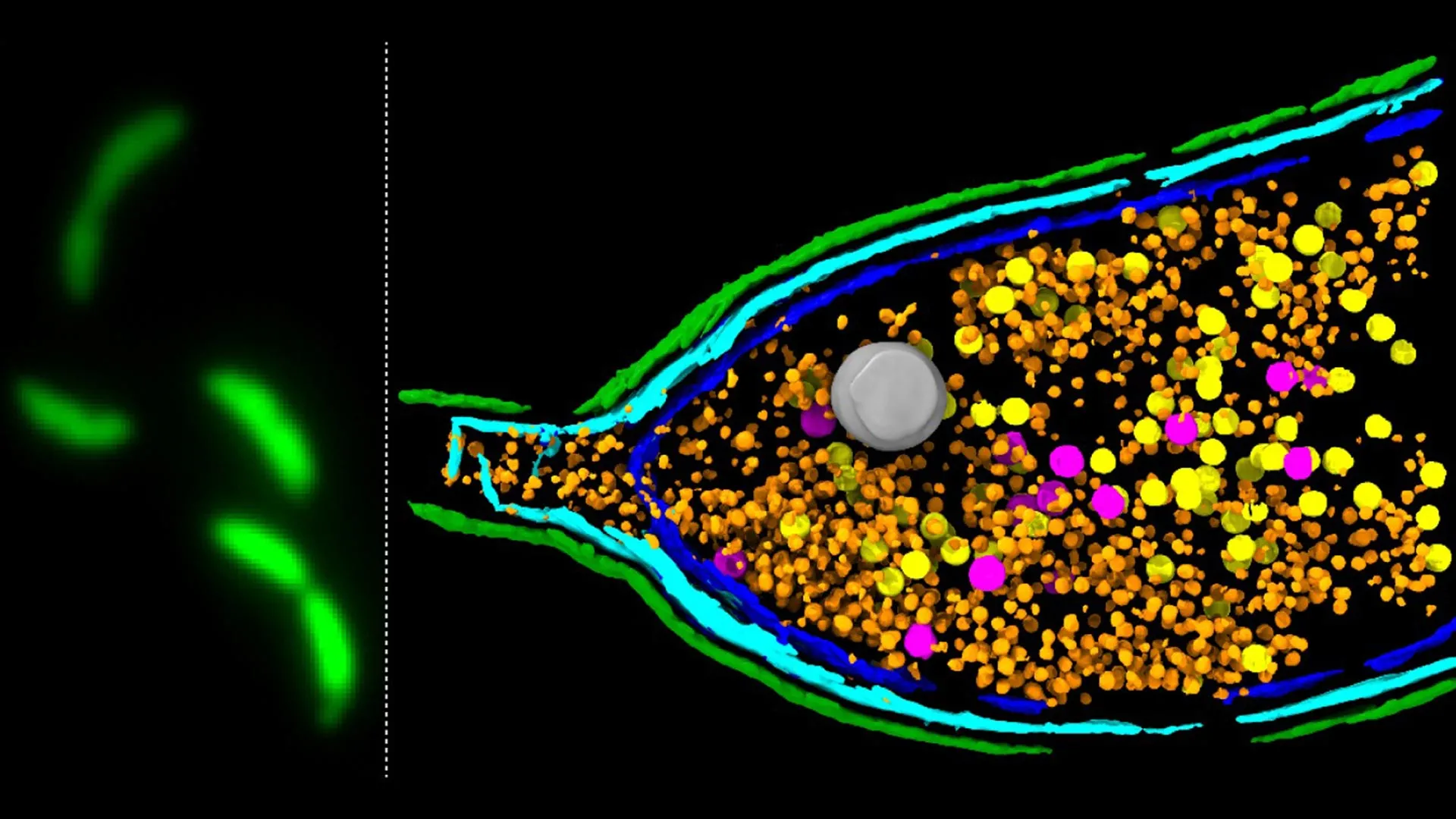
- Researchers analyzed 102 bacterial strains drawn from hospitals, feedlots, and a protected Paraná delta reserve, and every strain showed some glyphosate resistance despite the reserve never having herbicides applied inside its borders.
- Bacteria with the highest glyphosate resistance were genetically closely related across all three environments, with coauthor Dr. Jochen A Müller of the Karlsruhe Institute of Technology identifying the water cycle as a key transmission route between hospitals and agricultural soils.
- Lead author Dr. Daniela Centrón of the Institute of Medical Microbiology and Parasitology in Buenos Aires is calling for pesticide regulations to require antibiotic co-selection testing before marketing approval and warning labels noting that resistance genes can spread via untreated water.
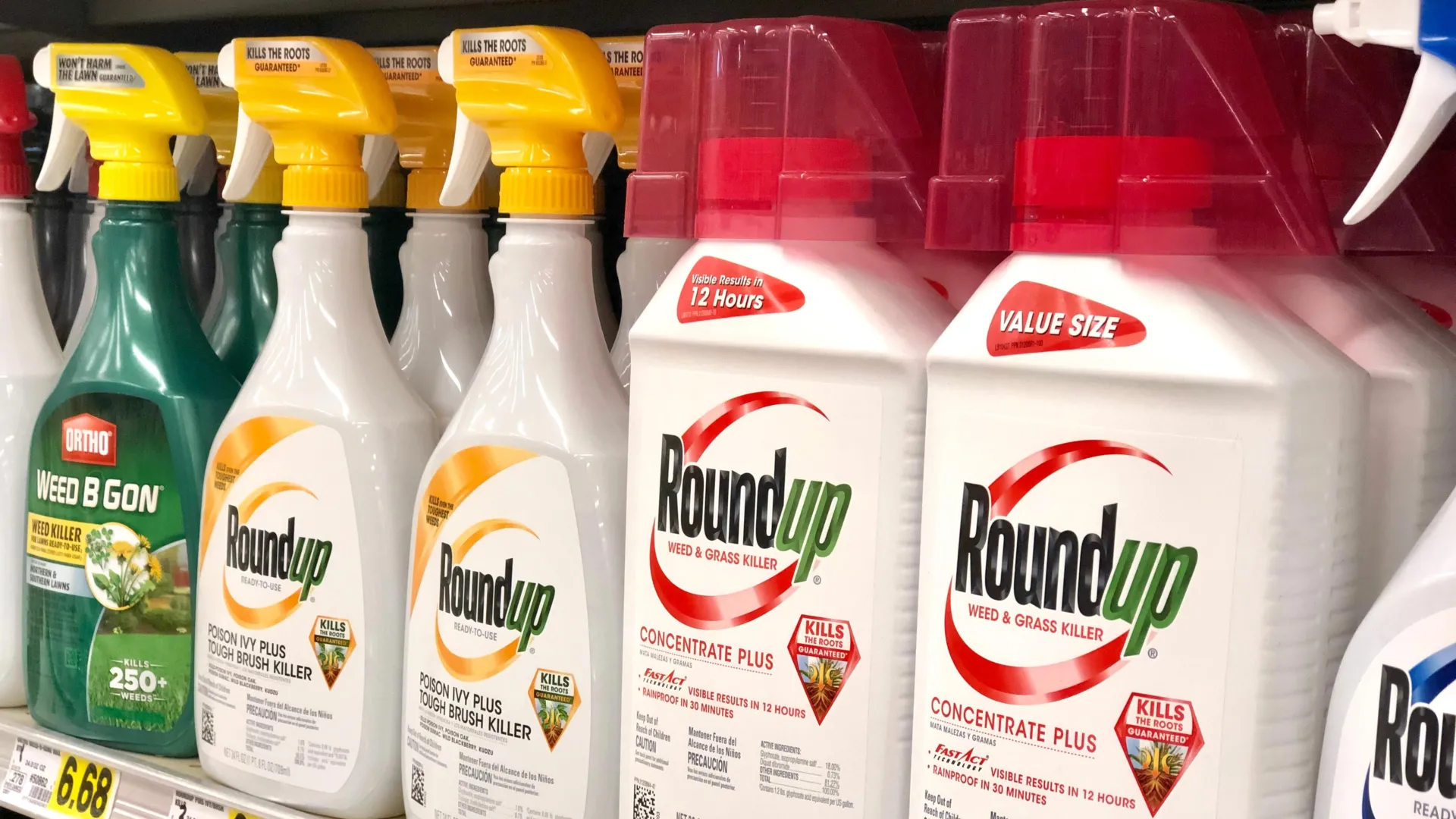
- Glyphosate remains in agricultural Roundup products (first registered in the US in 1974) while home-use Roundup has been reformulated without it; France, Belgium, and the Netherlands have already banned household applications, and Germany prohibits public-space use.
- Antimicrobial resistance contributes to an estimated 1.1 million to 1.4 million deaths worldwide each year, a figure the researchers say demands viewing herbicide policy as a public-health issue, not just an agricultural one.
Why it matters: Antimicrobial resistance is typically framed as a hospital problem driven by antibiotic overuse, but this research shifts the lens to agricultural herbicide use as a parallel selection pressure — all 102 strains tested showed glyphosate resistance, including from a reserve never sprayed with herbicides. With 74% of hospital strains already resistant to last-resort carbapenems, the researchers argue pesticide regulators should treat herbicide approvals as antibiotic-resistance decisions too.
Ask SkimNews