Ancient Permafrost Harbors Vancomycin Resistance — SkimNews

Get the Health newsletter
Daily health & science — research, biotech, public health, the studies worth knowing. Free.
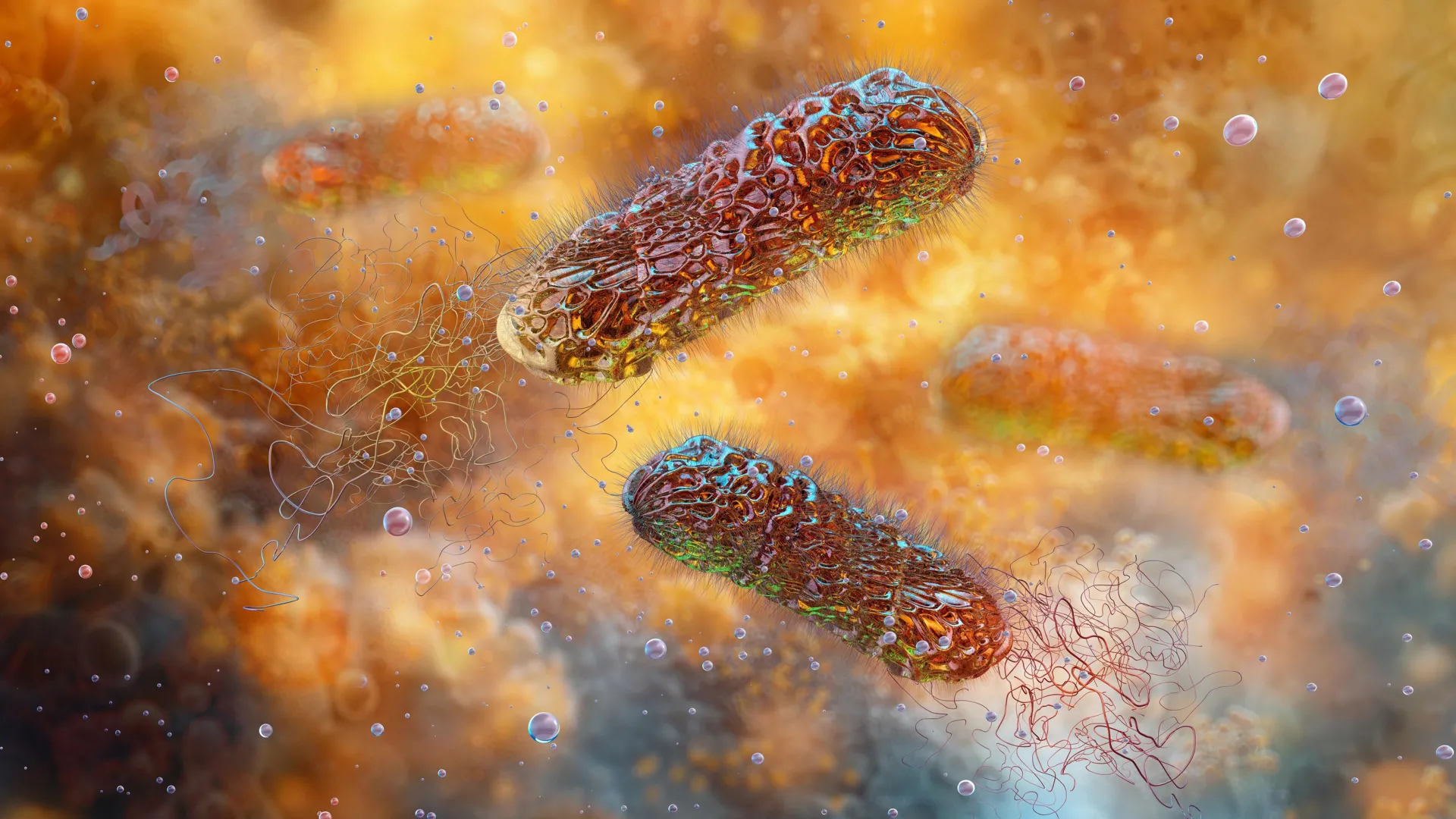
- Vanessa D'Costa and colleagues at the University of Ottawa reported in 2011 the discovery of genetic elements encoding resistance to vancomycin — an antibiotic of last resort — in 30,000-year-old permafrost samples from Canada's Yukon territory.
- Himalayan glaciers and Romania's 5,000-year-old Scărișoara ice cave have since yielded similar ancient resistance genes, suggesting frozen environments worldwide harbor rich, isolated reservoirs of antibiotic resistance predating modern medicine.
- Jabir Thajudeen at India's National Centre for Polar and Ocean Research led a study of Arctic and Antarctic soils recently exposed by glacial retreat, finding polar resistomes differ substantially from each other and from non-polar and hospital settings.
- Thajudeen warned that as warming accelerates, "more of these reservoirs will be exposed and begin interacting with modern microbial communities, wildlife and, eventually, human systems" — and his team found that soils richest in resistance genes also contain the most mobile DNA parcels (plasmids).
- Global warming is driving the spread of antibiotic resistance in grassland soils according to an April study, with elevated temperatures accelerating both bacterial mutation rates and horizontal gene transfer between microbes.
- Antibiotic-resistant infections were directly responsible for an estimated 1.27 million deaths worldwide in 2019, a figure forecast to rise to roughly 1.9 million annually by 2050.
- Kawther Zaher at King Abdulaziz University in Saudi Arabia says modern metagenomic tools are transforming the resistome from "a static list of genes into a dynamic ecological and evolutionary network" usable as an early-warning system.
Why it matters: For public health systems bracing for roughly 1.9 million annual deaths from drug-resistant infections by 2050, the article reframes resistance as an ancient, climate-coupled threat rather than purely modern. The April grassland study shows warming accelerates both bacterial mutation and horizontal gene transfer, compounding the existing pool of ancient variants now emerging from thawing permafrost.
Ask SkimNews