5th Circuit Backs Texas Rules for Foreign-Owned Firms — SkimNews
Get the Energy newsletter
Daily energy & climate — solar, EVs, oil, the policy fights and tech bets shaping the transition. Free.
- U.S. Court of Appeals for the 5th Circuit affirmed a lower court’s dismissal of GH America Energy’s complaint on Oct. 16, ruling Texas has a “free lane” to enforce restrictions on foreign-owned companies’ access to its electric grid.
- CFIUS has limited authority, and that limited authority does not reflect congressional desire to exclusively control all foreign-investment screening, the court said; it analogized state grid rules to permissible environmental, health and safety standards.
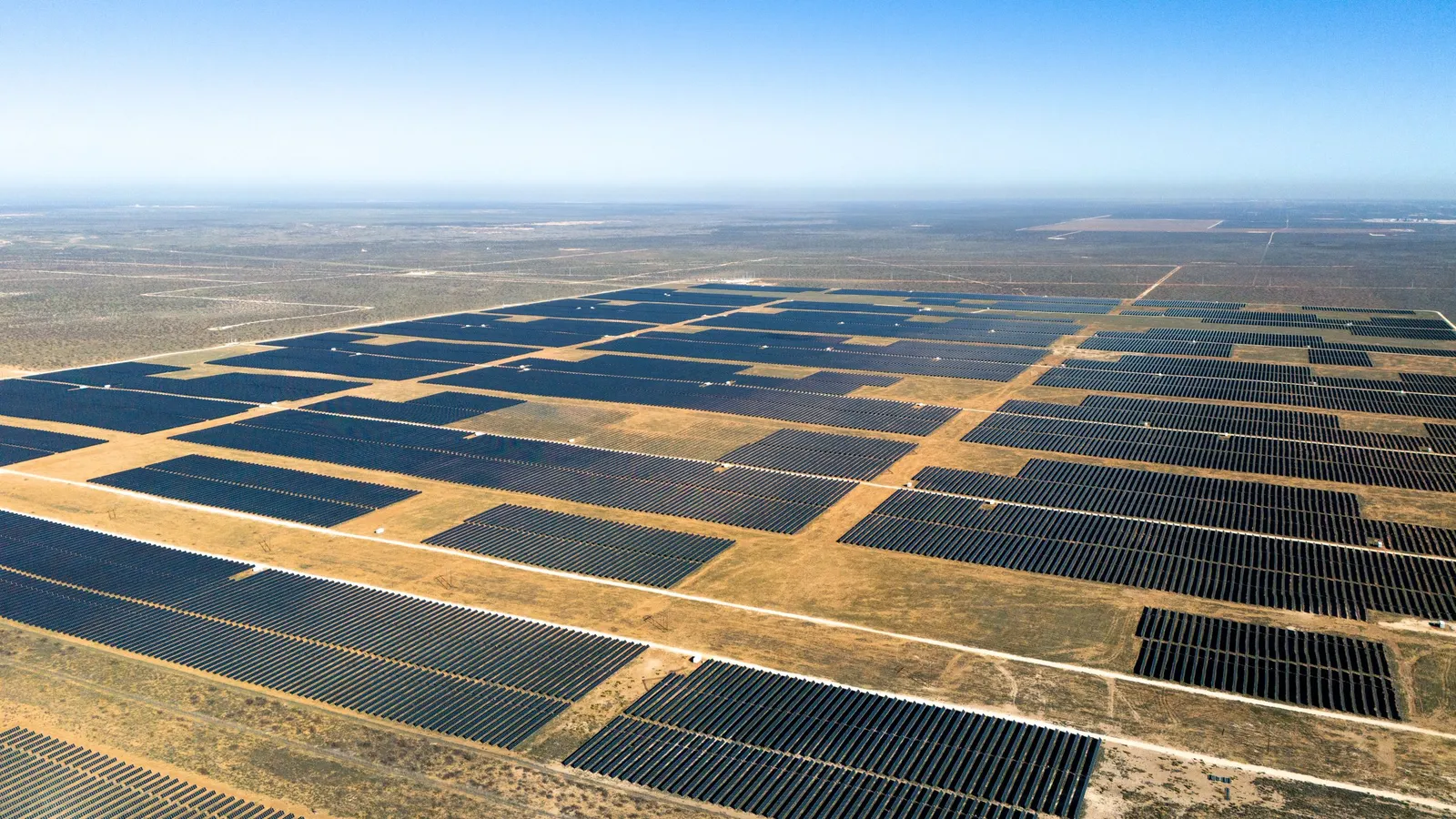
- GH America Energy sued Electric Reliability Council of Texas officials in 2024 after its pending Blue Star Solar Project interconnection application in Val Verde County was canceled for noncompliance with the Texas Lone Star Infrastructure Protection Act of 2021.
- GH America Energy claimed the denial caused it to sell two other projects at a substantial loss; the company could not be reached for comment.
- Daniel Skees said the ruling will likely give states assurance that similar foreign-entity restrictions can survive legal challenge; he also noted the Texas-specific decision could be appealed to the U.S. Supreme Court.
- Texas Solar+Storage Association supports the 2021 law, says its members are actively engaged in compliance and calls protection of infrastructure, information technology and operational technology critical.
- Morgan Lewis said in a coauthored analysis that the ruling coincides with emerging federal restrictions on foreign-made grid equipment, making early coordination on energy regulation and foreign-investment diligence important for developers, utilities and investors.
Why it matters: Texas can enforce its 2021 restrictions on foreign-owned grid access under the Oct. 16 ruling, while GH America Energy’s preemption challenge failed. For states considering similar laws, and developers operating in them, the decision offers assurance that state screening can survive a CFIUS challenge.
Ask SkimNews