UK records 37.7C as readers recall 1976 heatwave — SkimNews

Get the Energy newsletter
Daily energy & climate — solar, EVs, oil, the policy fights and tech bets shaping the transition. Free.
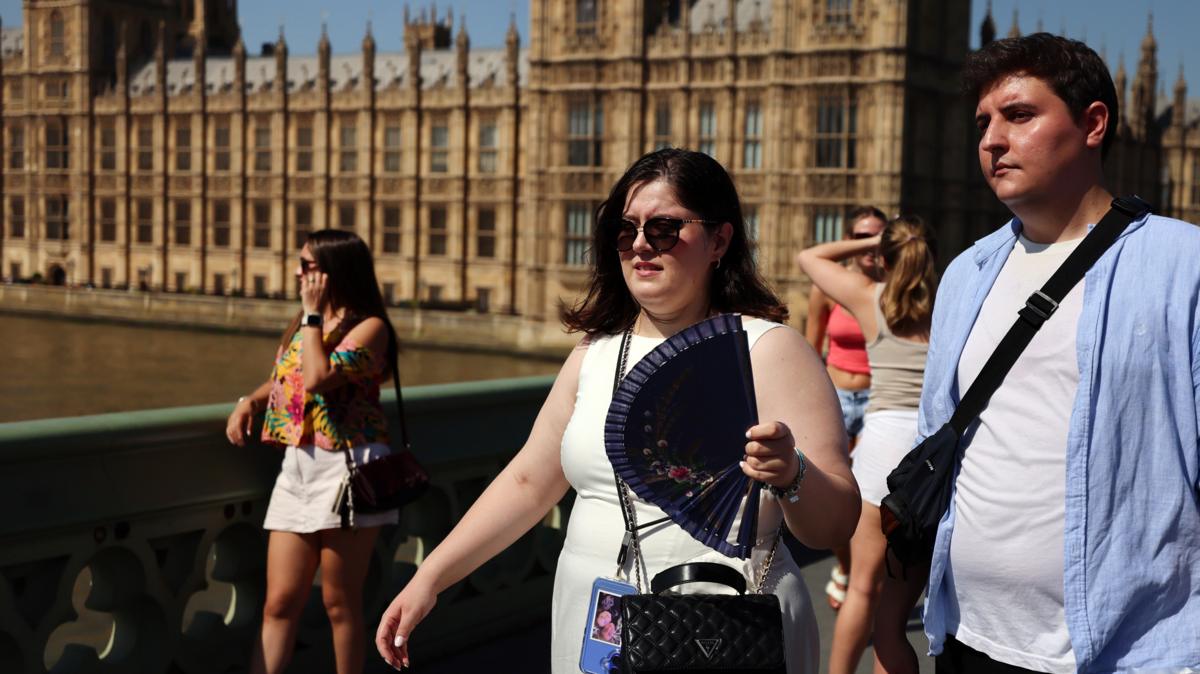
- Provisional temperature of 37.7C was recorded in Lingwood, Norfolk on Friday 26 June, breaking the previous June record of 35.6C set during the 1976 heatwave (and 28 June 1976 / 29 June 1957 marks).
- Margaret Waring, 87, from Cambridge, recalls sharing baths with her family during the 1976 drought and siphoning bathwater through a garden hose out of the bathroom window to irrigate the vegetable patch, while flowers and grass were ignored.
- John Ellis, 72, sat his Oxford finals in full gown, jacket, heavy trousers, mortar board and bow tie in a boiling Victorian examination hall, then returned home to West Yorkshire to find Ladybower reservoir empty and the remains of the long-flooded village of Derwent exposed.
- Susan Gilliam, 79, was pregnant in a flat in Crystal Palace with no running water after giving birth, washing her newborn's nappies in toilet water and queuing for a single bucket of water delivered by lorry each day.
- Michael Keane, 71, worked as a lifeguard at King George's Park open-air swimming pool in Wandsworth — now closed — where bank holiday crowds broke in after murky water forced the pool to shut during the 1976 heatwave.
- Susie Wardell, 80, recalls hundreds of ladybirds swarming a marina boardwalk on the River Medway in Kent, getting into the water tanks of the houseboat she lived on; she notes she has not seen a single ladybird this summer.
Why it matters: Two of the witnesses — Margaret Waring (87) and John Ellis (72) — explicitly contrast 1976 with the present, with Waring saying today's heat is harder to cope with because of humidity and pollution, and Ellis stating 'we've missed a chance to really stop this' by not cutting emissions 25-30 years ago. Their first-hand testimony turns a weather record into a half-century climate baseline.
Ask SkimNews