Trump Eyes Iran Drawdown, Rejects Ceasefire — SkimNews

Get the Geopolitics newsletter
Daily geopolitics — wars, elections, sanctions, the diplomatic moves that move markets. Free.
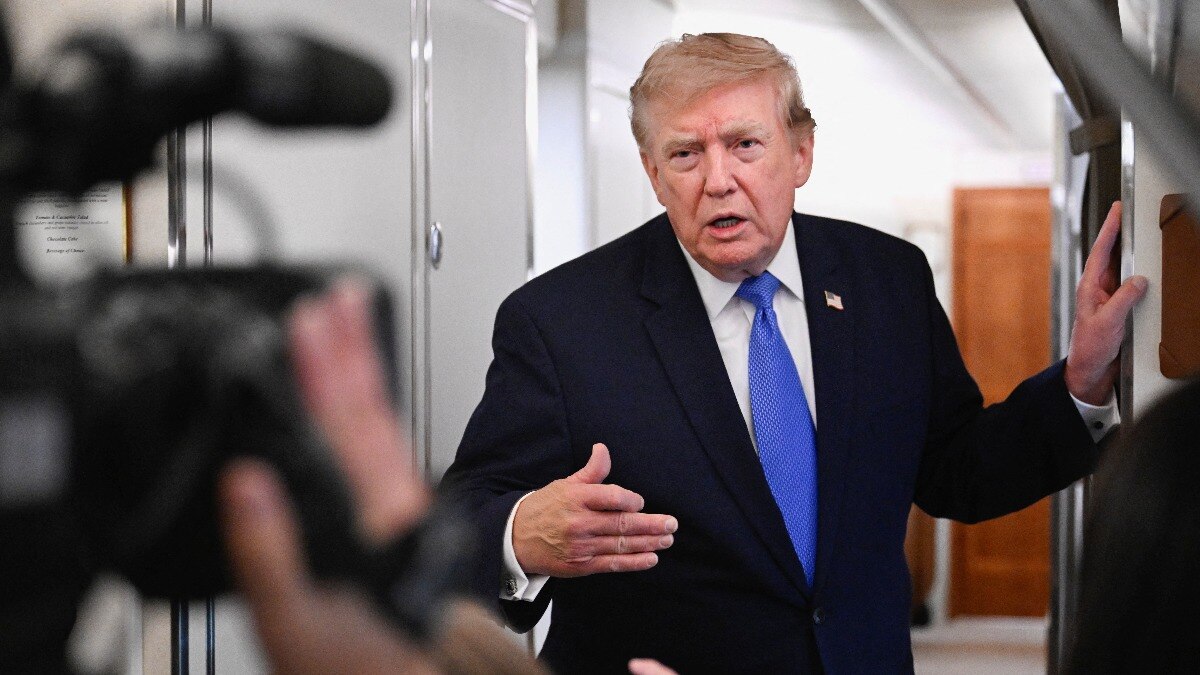
- Trump said he is considering "winding down" U.S. military operations against Iran, citing Iran's "diminished missile capacity" and "destroyed defense response," while telling reporters, "You don't do a ceasefire when you're obliterating the other side."
- The Pentagon is accelerating the deployment of more than 2,200 Marines and sailors from San Diego to the Middle East, even as Trump said he has no plan to put boots on the ground in Iran.
- The Strait of Hormuz closure pushed the national average gas price to $3.93 (AAA), with West Texas Intermediate crude topping $98 per barrel and Brent crude surpassing $109 per barrel.
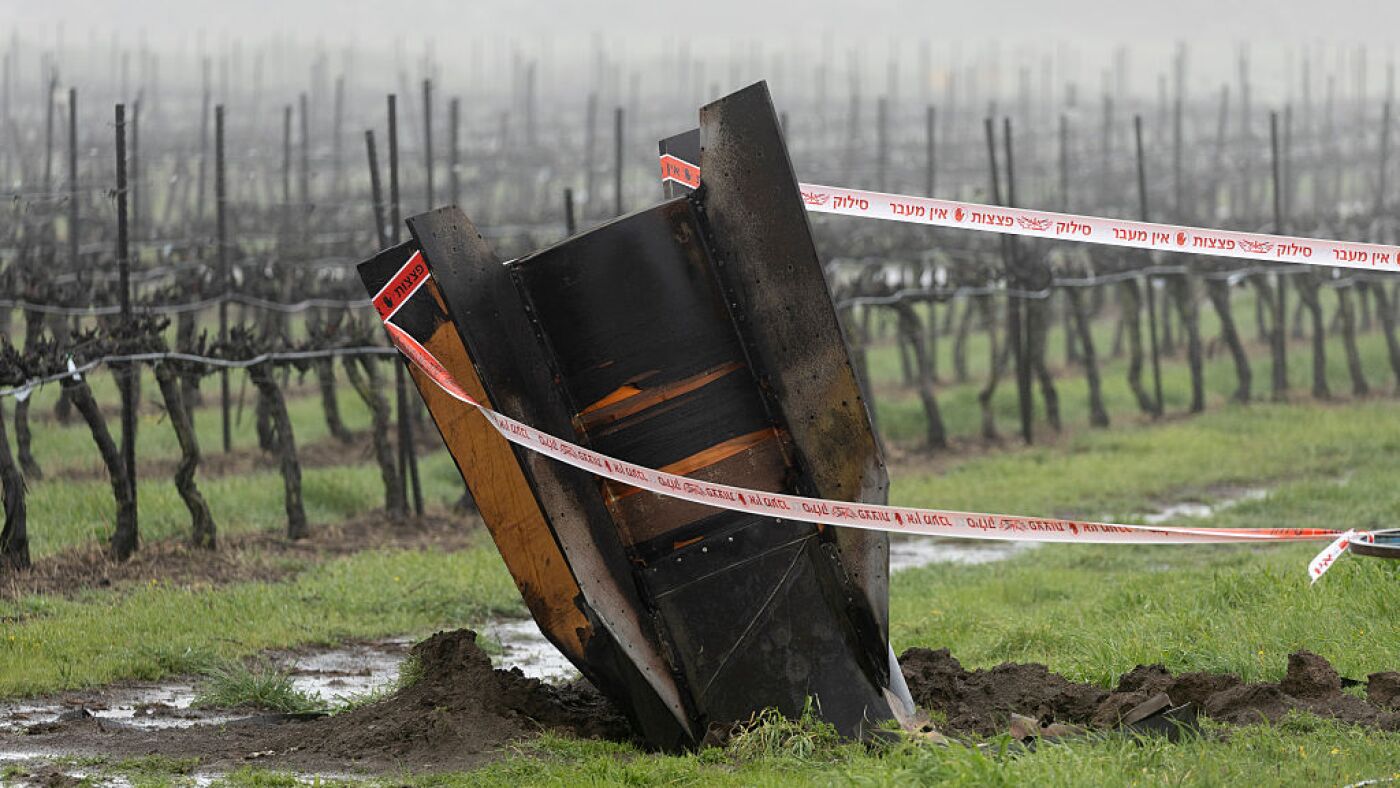
- Netanyahu said the Iranian people will need a "ground component" to topple the Islamic regime — "you can't do revolutions from the air" — and defended Israel's strike on the South Pars gas field, saying Israel "acted alone."
- Trump disapproved of the South Pars attack, saying Israel "violently lashed out" and claiming the U.S. had no prior knowledge, but three Israeli officials told The New York Times the strike was coordinated with the Trump administration.
- Japan, the UK, France, Germany, Italy, and the Netherlands condemned Iranian strikes on vessels in the Strait of Hormuz and signaled readiness to help ensure safe passage through the waterway.
- U.S. Ambassador Mike Waltz and IAEA Director-General Rafael Grossi were engaged in diplomacy referenced in the preview (article cuts off mid-sentence).
Why it matters: Contradictory signals — drawdown talk paired with a rejected ceasefire, no ground troops alongside 2,200 Marines racing to the region, and a Trump-Netanyahu split over South Pars — leave the conflict's endpoint undefined. American drivers are already paying $3.93 a gallon with crude above $98, and allied naval coordination is now part of the calculus for reopening the Strait of Hormuz.
Ask SkimNews