Anwar, Prabowo Agree to De-escalate Iran Conflict — SkimNews
Get the Geopolitics newsletter
Daily geopolitics — wars, elections, sanctions, the diplomatic moves that move markets. Free.
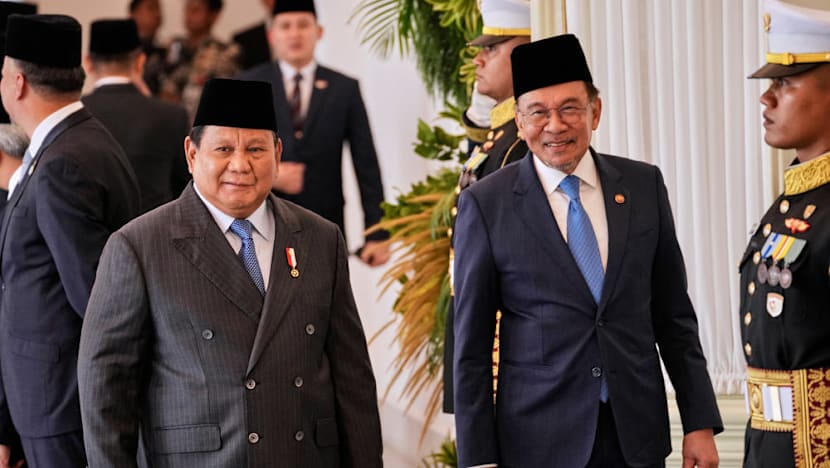
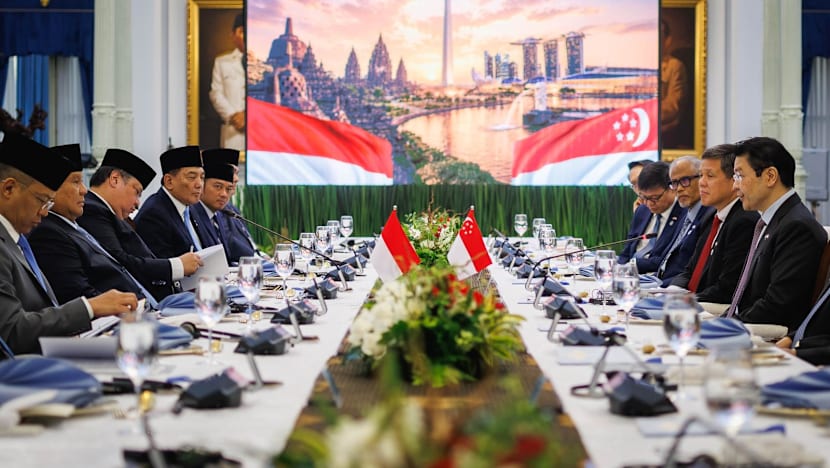
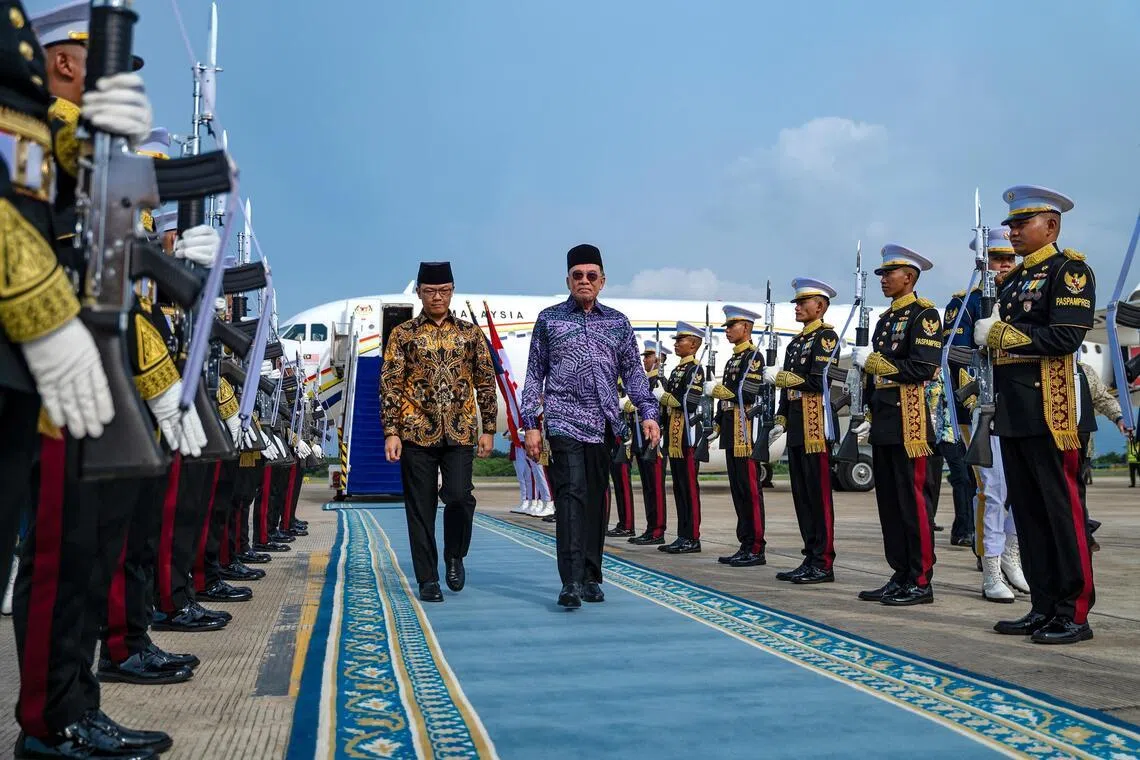
- Anwar Ibrahim and Prabowo Subianto held a roughly three-hour closed-door meeting at the Indonesian State Palace in Jakarta on March 27, agreeing to intensify diplomatic efforts to de-escalate the Middle East conflict and protect civilian lives.
- Anwar announced on March 26 that Iran's President Masoud Pezeshkian granted Malaysian vessels clearance to pass through the Strait of Hormuz, which Iran has effectively closed since being struck by US and Israeli forces on Feb 28.
- Prabowo has taken a more cautious public stance on the conflict, facing criticism for joining the US-led Board of Peace on Gaza and has yet to deliver a promised national address on the conflict's impact on Indonesia.
- Anwar on March 25 declared that Iran has the right to defend its sovereignty and condemned Israeli strikes, framing Malaysia's position in explicitly pro-Iran terms.
- Indonesian Energy Minister Bahlil Lahadalia confirmed on March 27 that two Pertamina state-owned oil tankers remain stuck in the Strait of Hormuz, through which roughly a fifth of the world's oil and liquefied natural gas transits.
Why it matters: The asymmetry between the two leaders' outcomes is the key material story: Anwar's vocal pro-Iran stance translated into Hormuz passage for Malaysian ships, while Prabowo's caution left two Pertamina tankers stranded. For Southeast Asia's two largest Muslim-majority economies — both heavily dependent on Gulf energy flows through a waterway Iran has shut since Feb 28 — the diplomatic alignment is real but the practical relief is sharply uneven.
Ask SkimNews