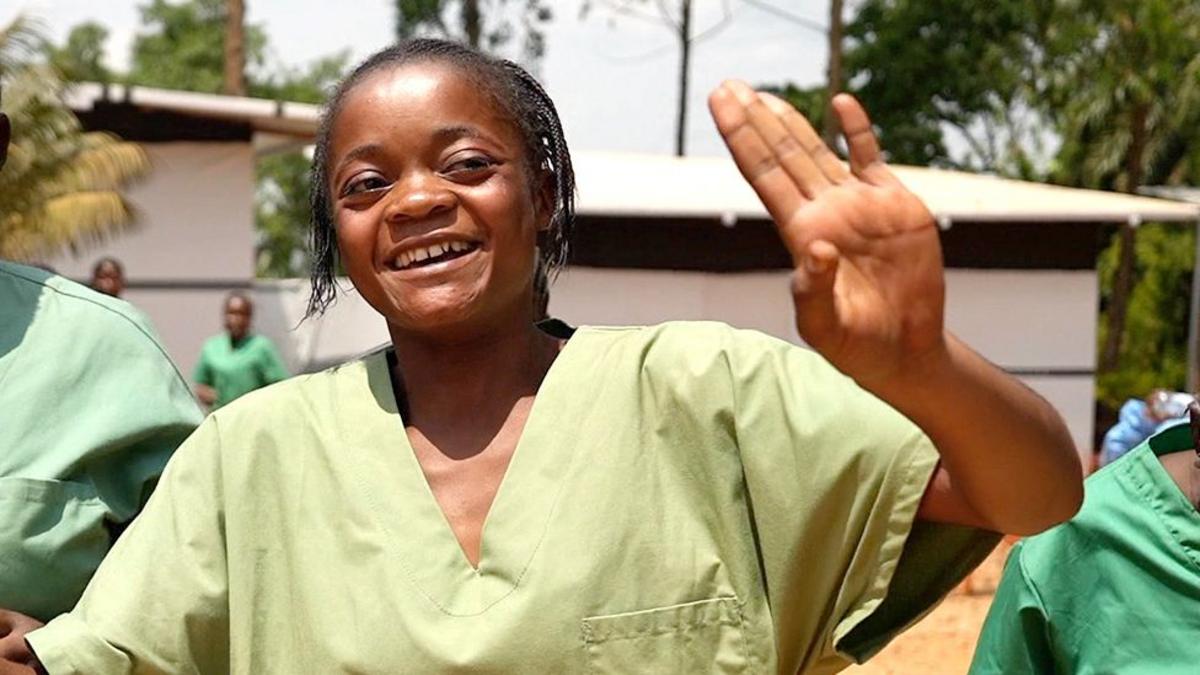
Health workers at the epicenter of Congo’s Ebola outbreak labor with little pay or rest — SkimNews

Get the Health newsletter
Daily health & science — research, biotech, public health, the studies worth knowing. Free.
- Dr. Richard Lokudu, medical director of Mongbwalu General Referral Hospital, says he and colleagues have received barely any compensation while treating Ebola patients day and night, with some health workers and first responders already dying from the disease.
- Mongbwalu in Ituri province has emerged as the epicenter of the rare Bundibugyo Ebola strain, with gold-mining conditions — muddy pits, narrow caves, crowded worker camps — increasing transmission risk.
- Congolese authorities reported 488 confirmed cases and 86 deaths as of Friday, including 71 new cases in a single day on Thursday, which officials called a sign of "active community transmission."
- Bundibugyo Ebola has no approved vaccines or treatments; at least five people have recovered since the outbreak was officially confirmed by Congo's health ministry on May 15.
- WHO Director-General Tedros Adhanom Ghebreyesus on Friday launched a $518 million response plan, saying the disease "had a big head start" after spreading silently for weeks before hospitals could test for the right Ebola strain.
- Containment is also being hindered by the conflict between Congo's government and Rwanda-backed M23 rebels, as well as attacks by Islamist militants, while masks, gloves, boots and medications were initially in short supply.
- Nurse Alice Bamuhinga said staff "did not even have time to go home and eat" during the first weeks, subsisting on one meal a day, and 52-year-old Asero Jeanne lost two of her five children after neighbors warned the hospital would kill them.
Why it matters: The Bundibugyo strain has no approved vaccines or treatments, making the unpaid, exhausted front-line workforce the only line of defense against an outbreak that already shows 71 new daily cases and has spread to Uganda (19 confirmed cases, 2 deaths). The WHO's $518 million plan and the ongoing M23 rebel and Islamist militant conflicts will determine whether the virus, which circulated undetected for weeks, can be contained before it overwhelms a health system the IRC's Heather Kerr says has been eroded by years of underinvestment.
Ask SkimNews