Ebola Survivors Cheered in DRC's Mongbwalu as Deaths — SkimNews
Get the Health newsletter
Daily health & science — research, biotech, public health, the studies worth knowing. Free.
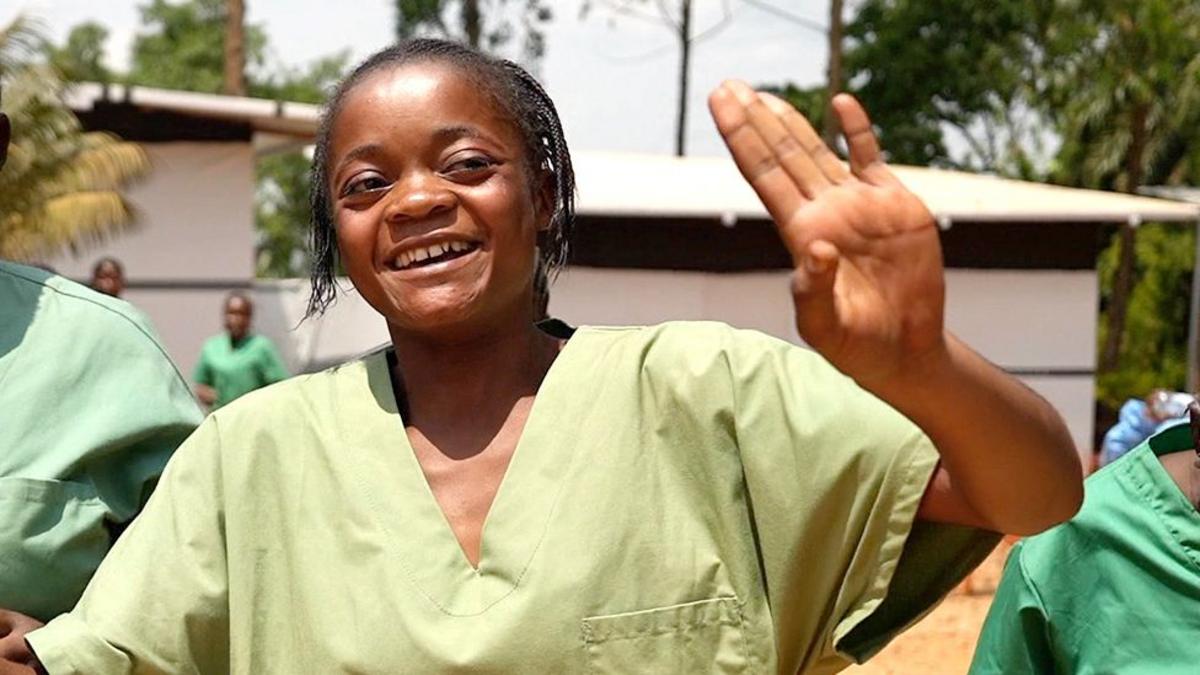
- Daniel Kitambala, a 49-year-old subsistence farmer, walked out of the Mongbwalu Ebola treatment center after two negative tests and about three weeks of care, greeted by a dozen healthcare workers singing praise songs as he exited between lines of orange netting.
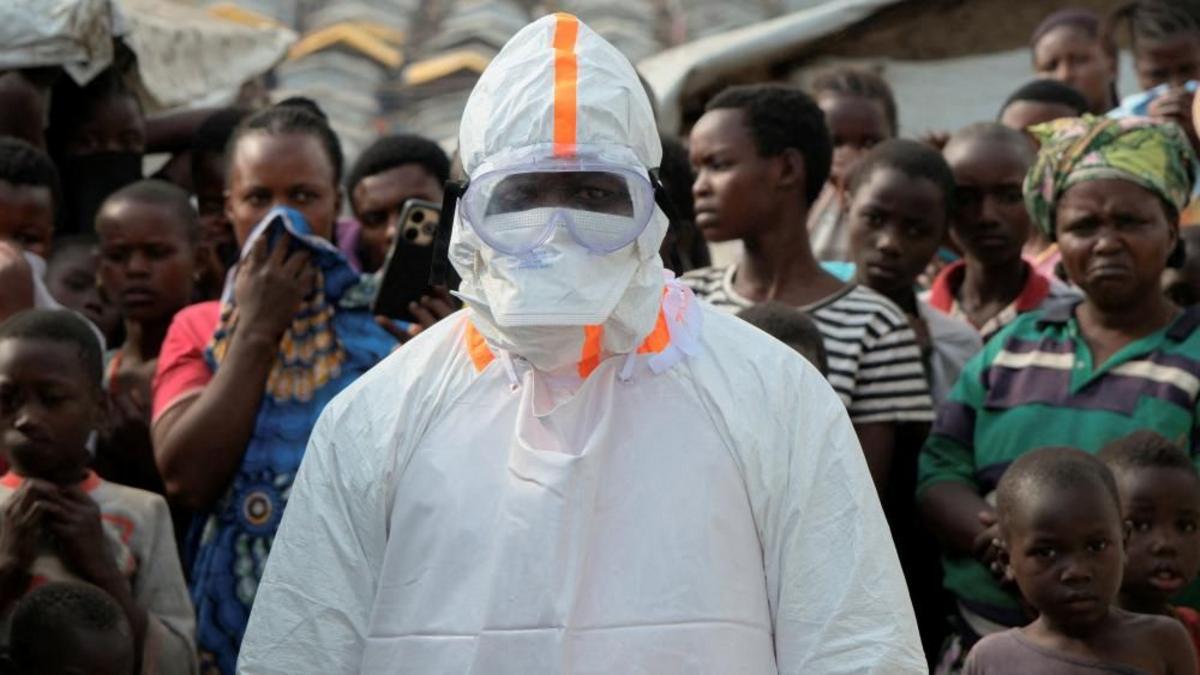
- The Ituri province outbreak involves the rare Bundibugyo species of Ebola, declared just over a month ago, with more than 140 confirmed deaths and a roughly one-in-five fatality rate among known cases.
- The Bundibugyo strain went initially undetected because medical investigators were screening for other more common Ebola species and getting false negatives; Mongbwalu hospital got its own laboratory a fortnight ago, cutting result turnaround from over a week to one day.
- A treatment tent at Mongbwalu hospital was set on fire on May 21 and a treatment center in nearby Rwampara was burned two days later — medical director Dr Richard Lukodu links the attacks to the local belief that burning treatment centers is what ended previous outbreaks.
- The "coffin curse" myth — which blames community deaths on the burning of a broken coffin during a February burial from Bunia — has fueled resistance, though Mayor Sesereki Mandro Israel says the situation is improving as more residents seek treatment.
- Mireille Gahindo and her 11-month-old child both tested positive after he developed fever and mouth bleeding; both are improving, and she is awaiting her second negative test before discharge, separated from her two older children and husband.
- Five health workers have died in the outbreak, and health officials warn that many contacts of infected people remain untraced, meaning any optimism from the recoveries may be short-lived.
Why it matters: Recoveries like Kitambala's are doing the heavy lifting in rebuilding community trust — Lukodu says far more people are now seeking treatment since the first survivor returned home a week ago. But with five health workers already dead, two treatment centers torched, and the virus having spread undetected for months before the correct Bundibugyo species was identified, containment depends on converting that fragile trust into sustained contact tracing before optimism fades.
Ask SkimNews