UN Warns Houthi Red Sea Attacks Risk Wider Middle East Conflict
Get the Geopolitics newsletter
Daily geopolitics — wars, elections, sanctions, the diplomatic moves that move markets. Free.
- UN Secretary-General António Guterres expressed deep alarm over the resumption of Houthi attacks on commercial vessels in the Red Sea this week and called for immediate de-escalation in line with Security Council resolutions on freedom of navigation.
- Houthis (formally Ansar Allah), backed by Iran, claimed to have struck two Saudi oil tankers on Thursday and threatened to blockade the Bab al-Mandab Strait, a key Red Sea shipping route.
- UN Spokesperson Stéphane Dujarric said the attacks risk heightening regional tensions and drawing Yemen deeper into the broader Middle East cycle of escalation.
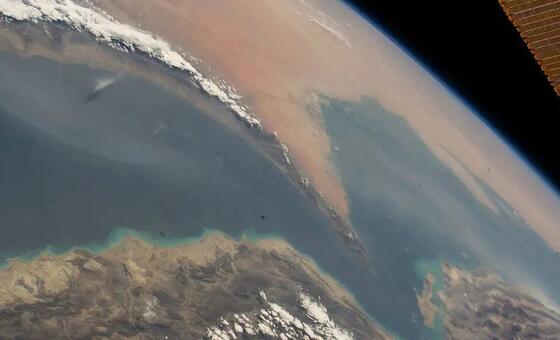
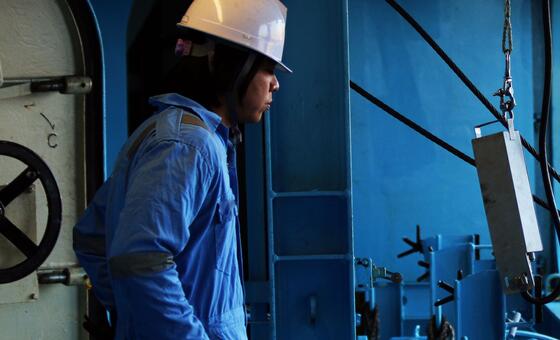
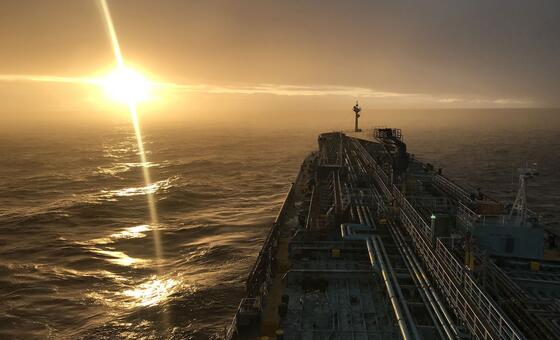
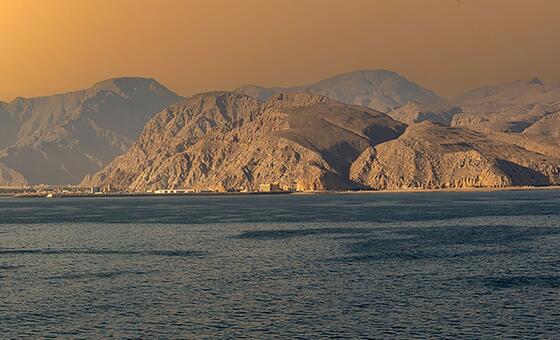
- UN High Commissioner for Human Rights Volker Türk called for urgent action on behalf of at least 6,000 crew members stranded on roughly 400 vessels in the Strait of Hormuz, many unable to evacuate during the ceasefire.
- OHCHR reported at least nine ships have been abandoned by shipowners since the war began, leaving 93 crew members without food, water, fuel, medical care, electricity or means to contact their families, with some also denied owed wages.
- The OHCHR spokesperson said 17 seafarers have died from attacks on civilian vessels since the conflict first erupted in late February, an April ceasefire (extended once) having collapsed this month.
Why it matters: After the April ceasefire collapsed this month, the UN is now publicly documenting a mounting human toll — 6,000 stranded seafarers, 93 abandoned by shipowners, 17 confirmed dead — while Houthi threats to blockade Bab al-Mandab could extend disruption to a second critical maritime corridor on top of the Strait of Hormuz, which already handles roughly a quarter of global sea trade.