US strike kills Indian sailors; UN warns food fallout — SkimNews
Get the Geopolitics newsletter
Daily geopolitics — wars, elections, sanctions, the diplomatic moves that move markets. Free.
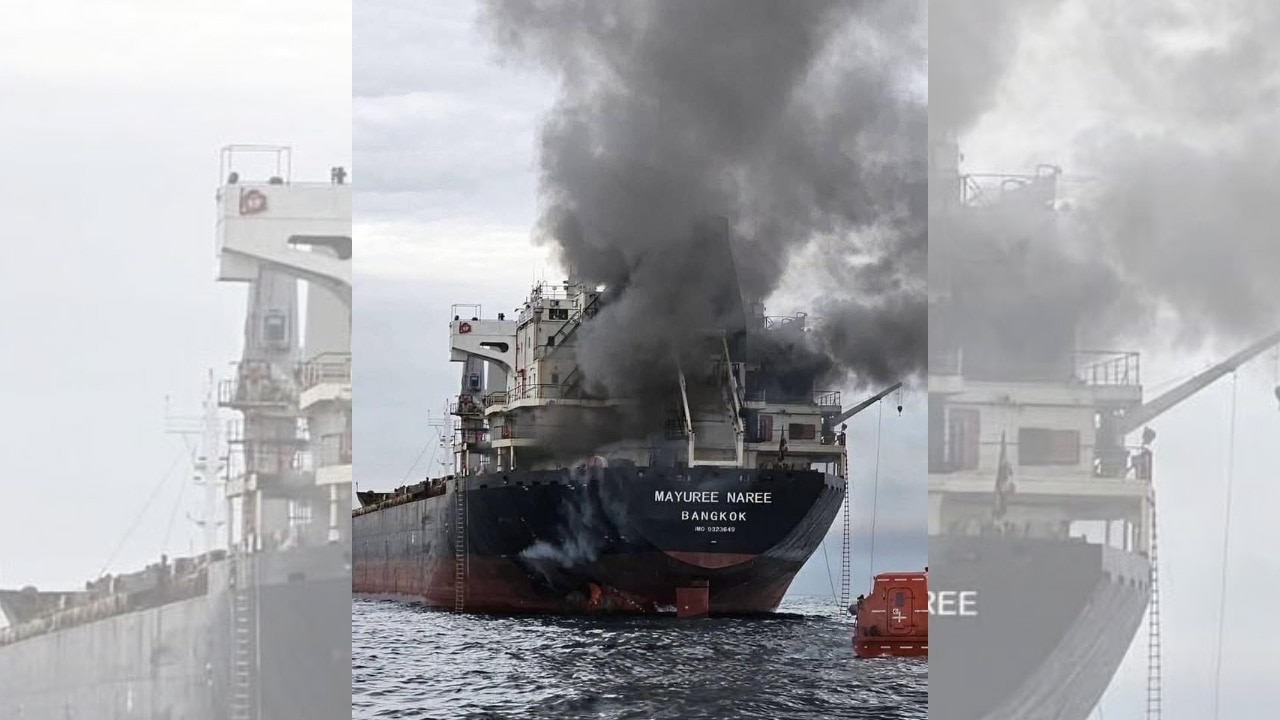
- United States said the strike on the Palau‑flagged tanker MT Settebello near Oman was part of its blockade‑enforcement operations.
- Indian seafarers — three citizens — were killed in the attack, raising the UN maritime agency’s confirmed death toll to 14 since 28 February.
- UN Secretary‑General António Guterres expressed “deep concern” and warned that further escalation could trigger a full resumption of conflict with unpredictable consequences for vulnerable countries.
- International Maritime Organization Secretary‑General Arsenio Dominguez condemned the attack as “simply unacceptable” and noted that 46 attacks on shipping have been verified in the Hormuz corridor.
- FAO Director‑General Qu Dongyu warned that disruptions to the Hormuz lane threaten global food security because 20‑30 % of fertilizer exports and half of sulphur shipments pass through it, potentially causing delayed shocks to agricultural production.
- UN World Food Programme reported that the crisis has already driven up diesel prices by over 62 % in Lebanon and 44 % in Yemen, and gasoline by more than 60 % in Pakistan, affecting humanitarian operations across the Middle East and East Africa.
- India protested the US strike and summoned the US envoy, as reported by DW Asia, highlighting diplomatic tension beyond the UN’s security concerns.
Why it matters: The strike raises maritime risk for the 20,000 seafarers still operating in the Gulf, spikes fuel costs and threatens fertilizer supply chains, which in turn push food prices higher for consumers and strain humanitarian aid programs across vulnerable regions worldwide.
Ask SkimNews