UN Warns Houthi Red Sea Attacks Risk Wider Conflict — SkimNews
Get the Geopolitics newsletter
Daily geopolitics — wars, elections, sanctions, the diplomatic moves that move markets. Free.
- UN Secretary-General António Guterres expressed deep alarm over Houthi attacks on Red Sea commercial vessels, with spokesperson Stéphane Dujarric warning the strikes risk drawing Yemen deeper into the regional conflict cycle.
- Houthis, backed by Iran and formally known as Ansar Allah, entered the broader US-Iran war and threatened to blockade the Bab al-Mandab Strait, claiming Thursday strikes on two Saudi oil tankers.
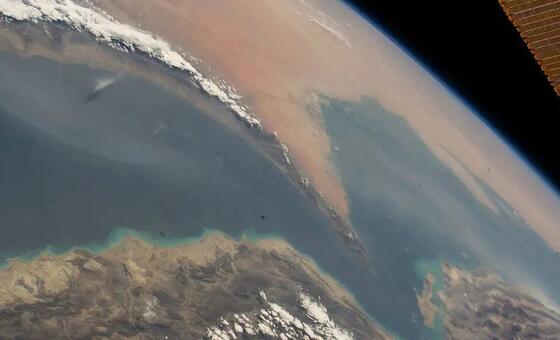
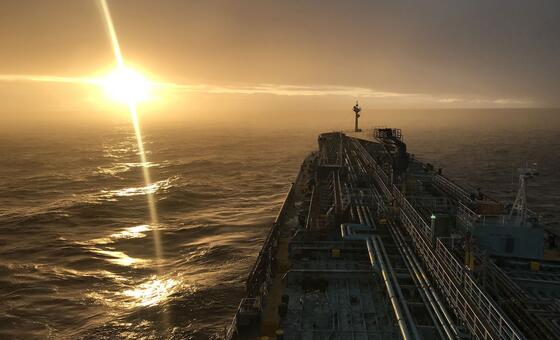
- Volker Türk, the UN High Commissioner for Human Rights, called for urgent action on behalf of at least 6,000 crew members stranded on some 400 vessels in the Strait of Hormuz, unable to evacuate during the collapsed ceasefire.
- OHCHR documented at least nine ships with 93 crew members abandoned by shipowners since the war began, left without food, water, fuel, medical care, or means to contact their families.
- The April ceasefire collapsed this month partly over Strait of Hormuz violations — a waterway carrying roughly a quarter of global sea trade — ending a pause that began after late-February US-Israeli strikes on Iran triggered retaliatory Gulf attacks; 17 seafarers have died since fighting began.
Why it matters: The Houthi entry into the US-Iran war adds a second threatened maritime chokepoint — the Bab al-Mandab alongside the Strait of Hormuz, which alone carries roughly a quarter of global sea trade. The stranded seafarer toll — 6,000 stuck, 17 dead, 93 abandoned by shipowners — turns a shipping dispute into a humanitarian emergency requiring evacuations from an active war zone.
Ask SkimNews