Middle East: Civilians again under fire as US-Iran strikes continue — SkimNews
Get the Geopolitics newsletter
Daily geopolitics — wars, elections, sanctions, the diplomatic moves that move markets. Free.
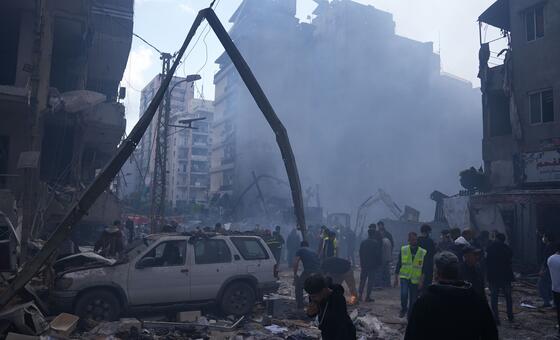
- UN Spokesperson Stéphane Dujarric called for "immediate de-escalation" on Monday, stressing that all parties must protect civilians and civilian objects including hospitals and water supplies under international humanitarian law.
- WHO Regional Director Dr. Hanan Balkhy reported Iranian health authority figures of 50 killed and over 500 injured this month — women and children among the casualties — alongside a strike on a Hormozgan water desalination plant that cut safe drinking water for thousands and explosions near Baqaei Reference Hospital that forced precautionary evacuation of children receiving cancer treatment.
- IAEA chief Rafael Mariano Grossi called for military restraint around all nuclear-related sites after the agency began investigating an overnight attack on the Darkhovin nuclear power plant, which inspectors confirmed contained no nuclear material and poses no radiological risk.
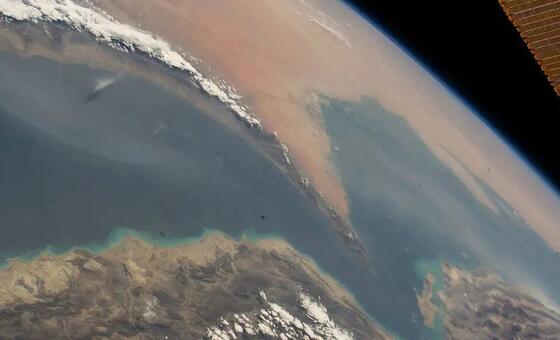
- Houthi rebels in Yemen issued fresh threats against Saudi Arabia and freedom of navigation in Red Sea shipping lanes, with Dujarric warning that a return to Red Sea chokepoint conditions would disrupt UN humanitarian goods, peacekeeping supplies, and global energy trade on top of the already-strained Strait of Hormuz.
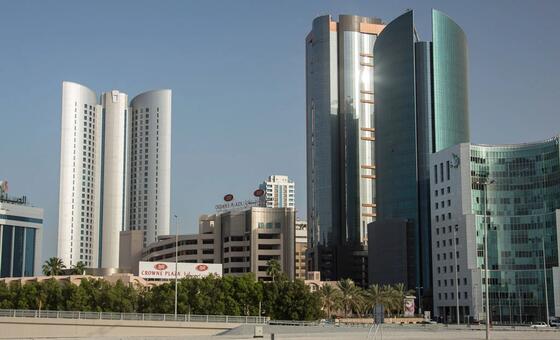
- Gulf States absorbed collateral damage from the exchange — falling shrapnel injured five civilians in Qatar, while Kuwait reported injuries and significant damage to an oil facility plus hits on power and water desalination plants that deactivated several power generation units.
- The renewed fighting has undermined the June Memorandum of Understanding between Washington and Tehran, which was meant to end hostilities that began in February with US-Israeli bombing of Iran and Iranian retaliatory strikes on targets in several Gulf States and Jordan.
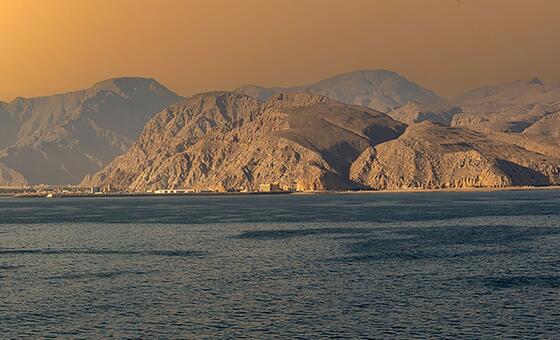
Why it matters: With the near-closure of the Strait of Hormuz already squeezing the global economy, a second week of US-Iran strikes now threatens to choke Red Sea shipping as well — directly endangering UN humanitarian supply chains, peacekeeping logistics, and the energy trade that underpins global commerce.
Ask SkimNews