Guterres calls for stepping up diplomatic efforts to end US-Iran conflict — SkimNews

Get the Geopolitics newsletter
Daily geopolitics — wars, elections, sanctions, the diplomatic moves that move markets. Free.
- UN Secretary-General António Guterres called for intensified diplomatic efforts to end the escalating US-Iran conflict, with spokesperson Stéphane Dujarric describing the situation as "teetering" and cautioning against a return to full-scale war.
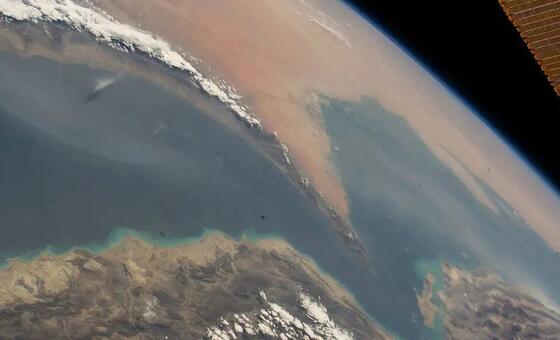
- The conflict, now in its second week, initially centered on control of the Strait of Hormuz — a critical corridor for oil and LNG exports — and followed the collapse of a prior agreement that had sought to end fighting after joint US-Israeli bombing of Iran in late February.
- The renewed fighting has affected ten countries — Iran, Bahrain, Jordan, Syria, Iraq, Saudi Arabia, Yemen, Qatar, Kuwait, and the UAE — straining trade systems, humanitarian access, transport costs, and fuel and commodity prices.
- Pakistan has taken the mediating lead in diplomatic efforts, assisted by others, while UN Personal Envoy Jean Arnault continues direct engagement with the parties.
- Guterres expressed particular alarm over strikes on civilian infrastructure, including a nuclear power plant under construction and a desalination plant in Iran, alongside power and desalination plants hit in Kuwait and elsewhere.
- The UN demanded any settlement include "the full restoration of international navigational rights and freedom of navigation in and around the Strait of Hormuz" and called on all parties to respect international humanitarian law's principles of "distinction, proportionality and precaution."
Why it matters: With ten states now in the conflict's blast radius and civilian targets like a nuclear-power-plant-under-construction and desalination plants struck, the UN's push — backed by Pakistan's mediating lead — is the clearest non-military channel to stop escalation before fighting returns to full-scale war intensity.
Ask SkimNews