Tesla App Code Hints at FSD Driver Identity Check — SkimNews
Get the Tech newsletter
Daily tech — startups, AI labs, chips, the launches that shape the next decade. Free.
- Tesla's iOS app version 4.58.5, built June 27, contains code strings (
fsdIdentityCheckFailedTitleandshowFsdIdentityCheckFailedDialog) describing a flow where the cabin camera performs an identity check and blocks FSD on a mismatch, surfaced via an error dialog in the phone app. - The findings come from a decompile published by @Tesla_App_iOS, which tracks new versions of the Tesla and Robotaxi apps; the strings are code rather than a shipped feature, and a live rollout would also require a corresponding vehicle firmware update.
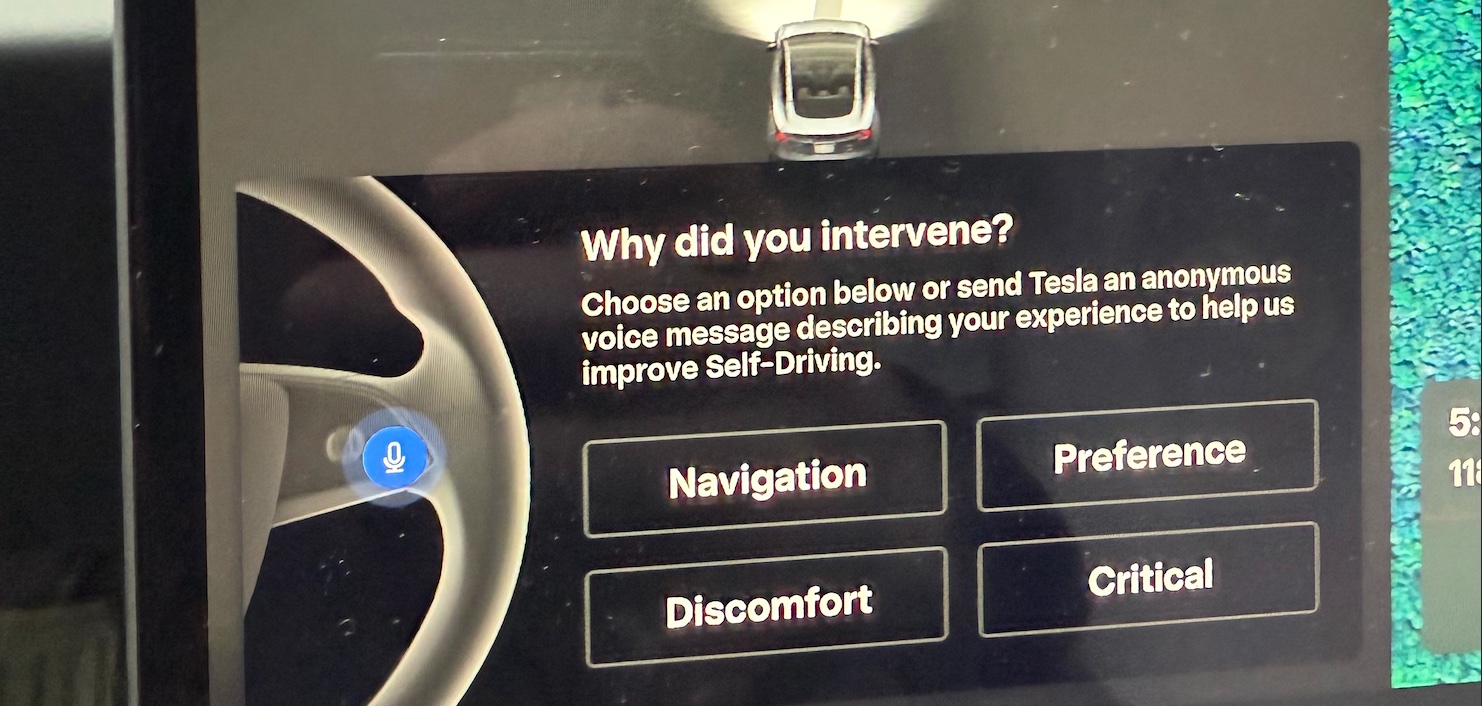
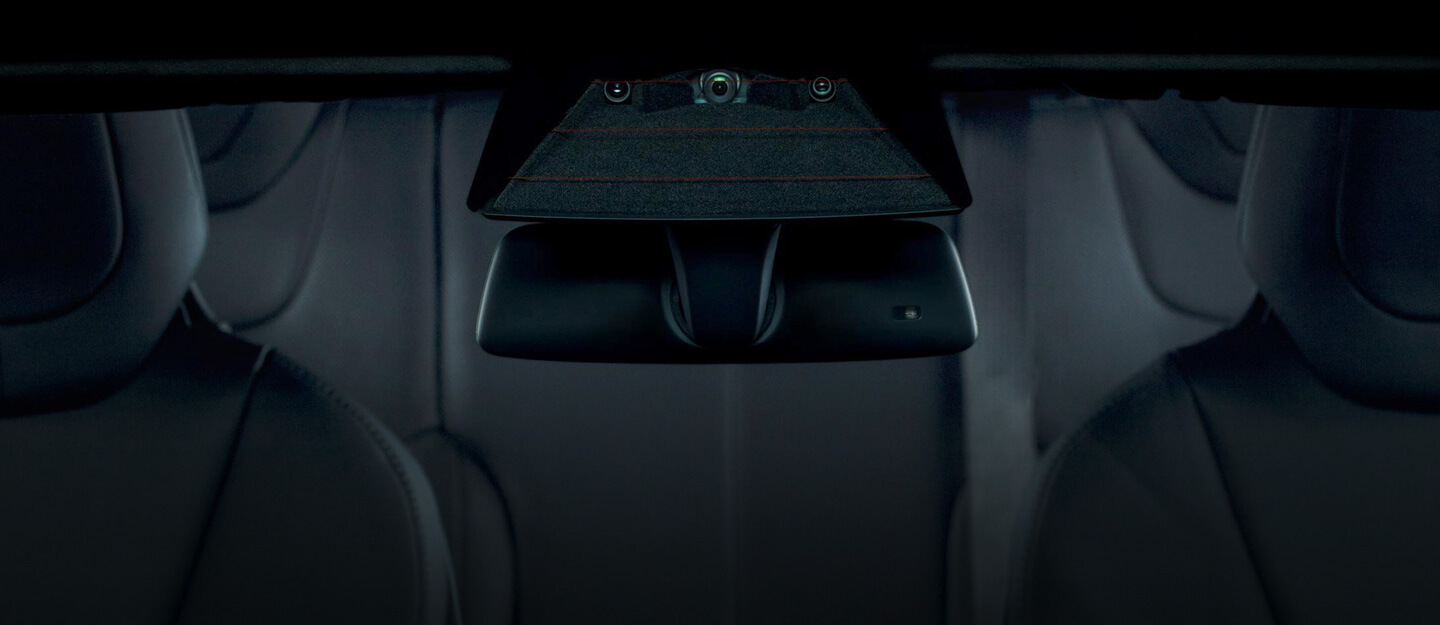
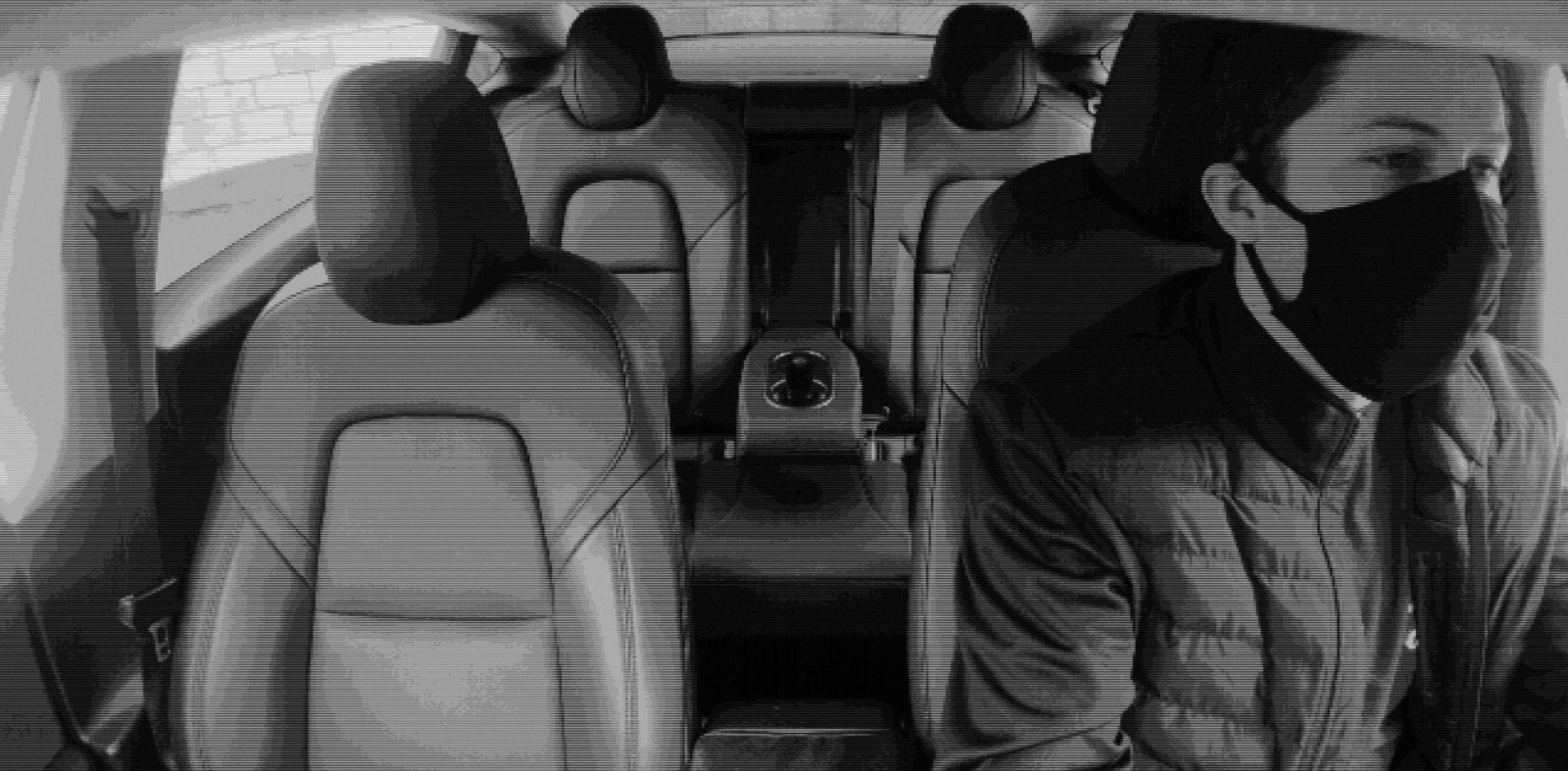
- Tesla activated cabin-camera driver monitoring in 2021 and made the camera above the rearview mirror the primary attention monitor with FSD v12.4 in 2024, tracking face and eyes instead of steering-wheel torque — but identity verification is a different job, a permission gate rather than a safety nag.
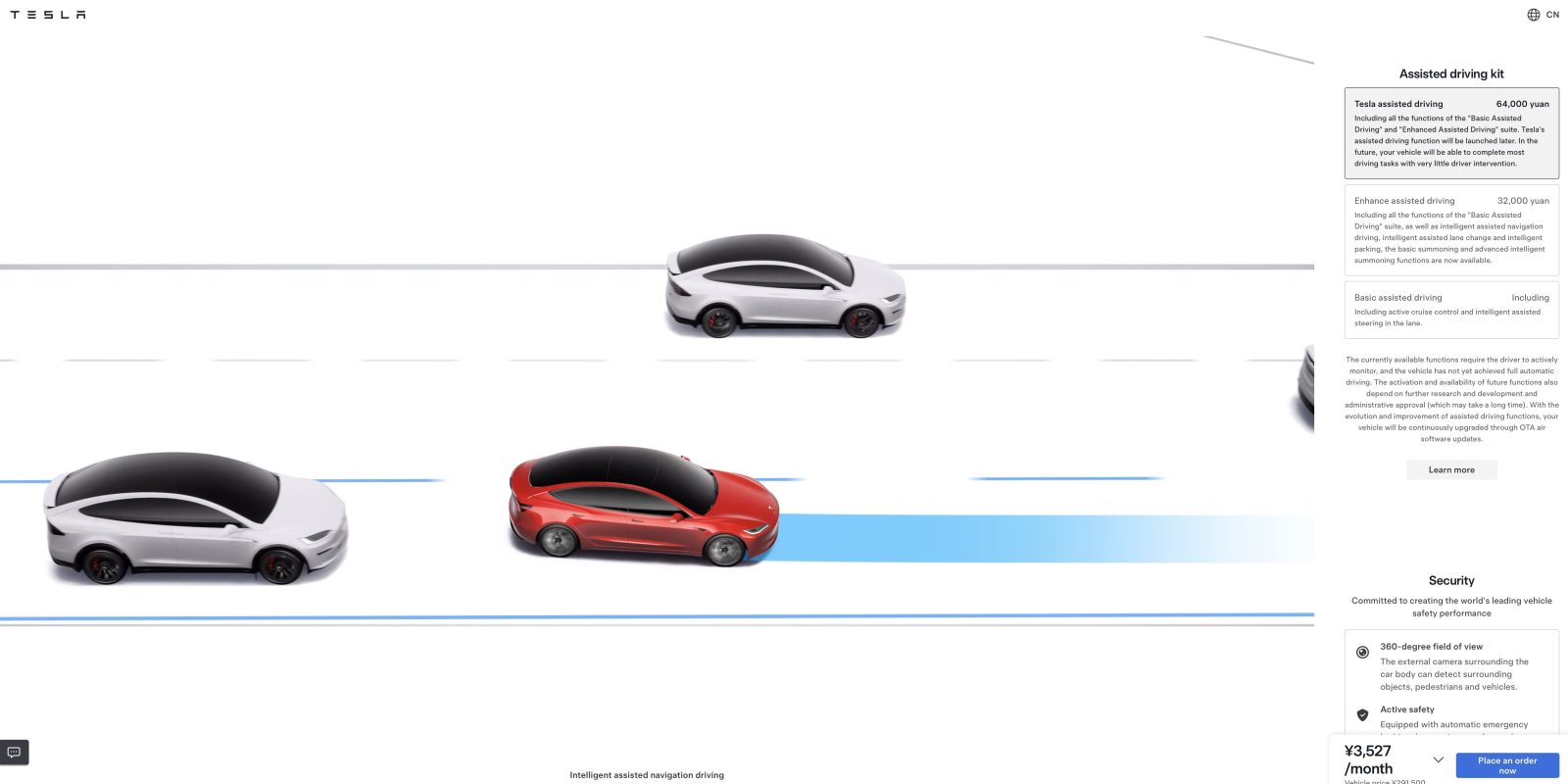
- FSD is now sold as a subscription, and tying activation to an authorized profile would let Tesla lock the paid feature to the account holder — relevant for rentals, shared and fleet vehicles, and keeping unauthorized drivers from switching the system on.
- There is also a Robotaxi angle: matching the person in the seat to the person who booked the ride is exactly the kind of check a driverless ride-hailing fleet needs.
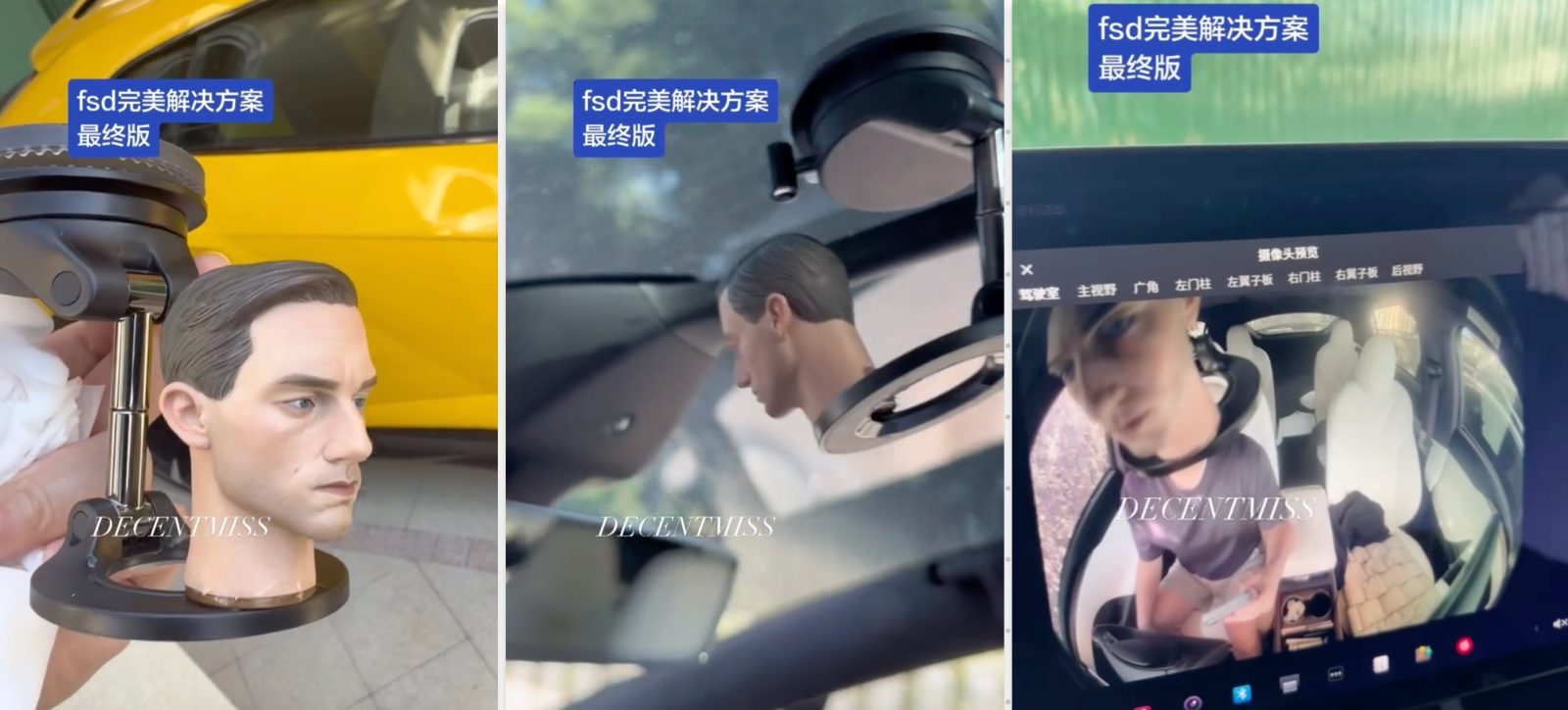
- Tesla's cabin camera is a standard RGB sensor rather than the infrared depth-mapping system Apple uses for Face ID, which the source calls 'fine as an extra permission check but a weak biometric lock' — it inherits the attention-monitoring system's documented blind spots, since the owner's manual admits the camera is disabled in poor lighting, when covered, or when the driver wears sunglasses or a hat.
Why it matters: The code reframes FSD activation from a safety question (is the driver watching the road?) to a permissions question (is this person authorized?) — which lets Tesla enforce its subscription model across rentals, fleets, and a future Robotaxi service. Because the cabin camera is standard RGB hardware with the same lighting-and-obstruction blind spots Tesla's own manual flags, the gate may be soft in practice, limiting how effectively it can restrict access to the feature.
Ask SkimNews