China missile test splits Pacific Islands at Suva talks — SkimNews
Get the Geopolitics newsletter
Daily geopolitics — wars, elections, sanctions, the diplomatic moves that move markets. Free.
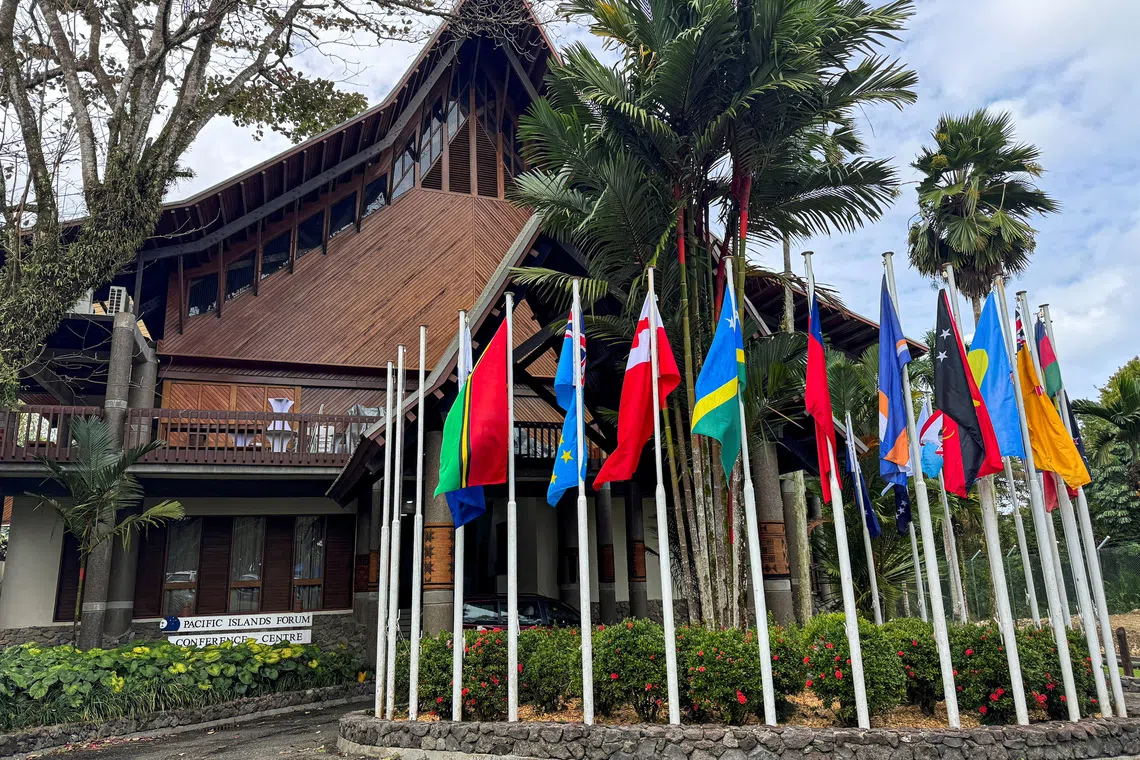
- China fired its first known ballistic missile into the Pacific since September 2024 in July, launching the nuclear-capable test just hours after Fiji and Australia signed the Ocean of Peace Alliance defense pact.
- Pacific Islands foreign ministers failed to reach consensus on a collective statement condemning the test more than a month later, with Kiribati and Nauru — which switched diplomatic recognition from Taiwan to Beijing in 2019 and 2024 respectively — blocking the wording.
- Papua New Guinea Foreign Minister Justin Tkatchenko called the test "totally inappropriate" despite describing China as "a very close friend and ally," noting Beijing gave advance notice but no details on where the missile would land.
- New Zealand Foreign Minister Winston Peters blamed "foreign influence" for the failed consensus without naming a country, while Solomon Islands Foreign Minister Rick Houenipwela insisted the regional agenda must remain "conceived by the Pacific, shaped by the Pacific and only by the Pacific."
- Pacific security partnerships offer surveillance against illegal fishing, disaster response, and training, but critics warn bilateral arrangements like AUKUS risk militarizing the region and leaving small nations with little say over how their territory and waters are used.
- Fiji participated in US-led RIMPAC war games for the first time in July, and leaders will reconvene at the Pacific Islands Forum in Palau in three weeks with the missile test and regional unity back on the agenda.
Why it matters: The consensus failure hands Beijing a diplomatic win and shows the September 2025 "Ocean of Peace" declaration cannot override competing economic and security interests among Pacific nations. With Kiribati and Nauru aligning with Beijing after defecting from Taiwan, and Fiji deepening ties with both Australia and the US, the Pacific is fragmenting into rival camps rather than presenting a united front against militarization.
Ask SkimNews