U.S., Iran Agree to 2-Week Ceasefire, Pakistan Brokers Talks — SkimNews
Get the Geopolitics newsletter
Daily geopolitics — wars, elections, sanctions, the diplomatic moves that move markets. Free.
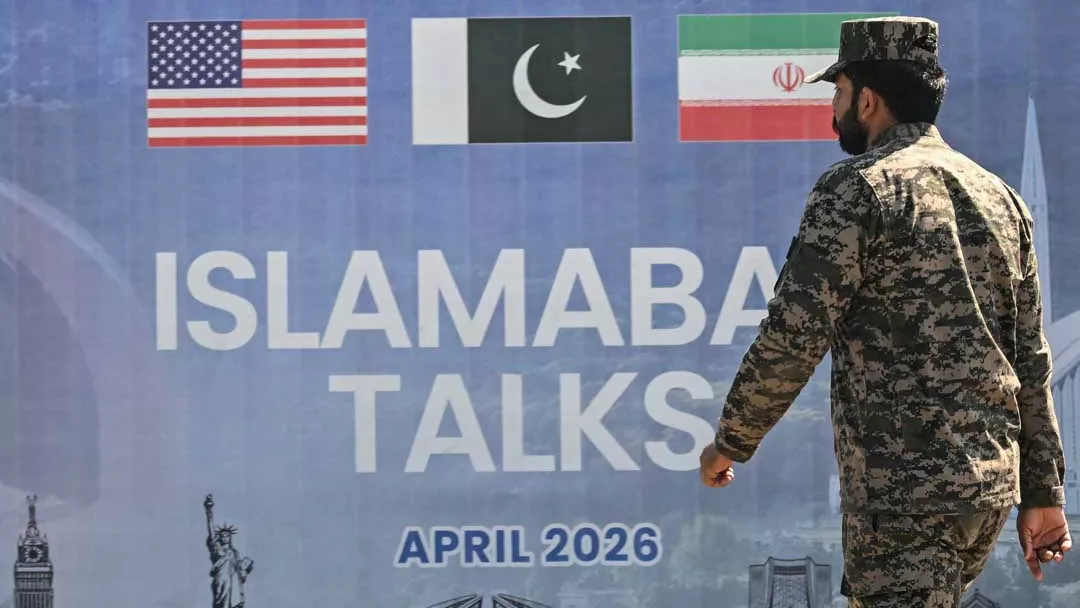
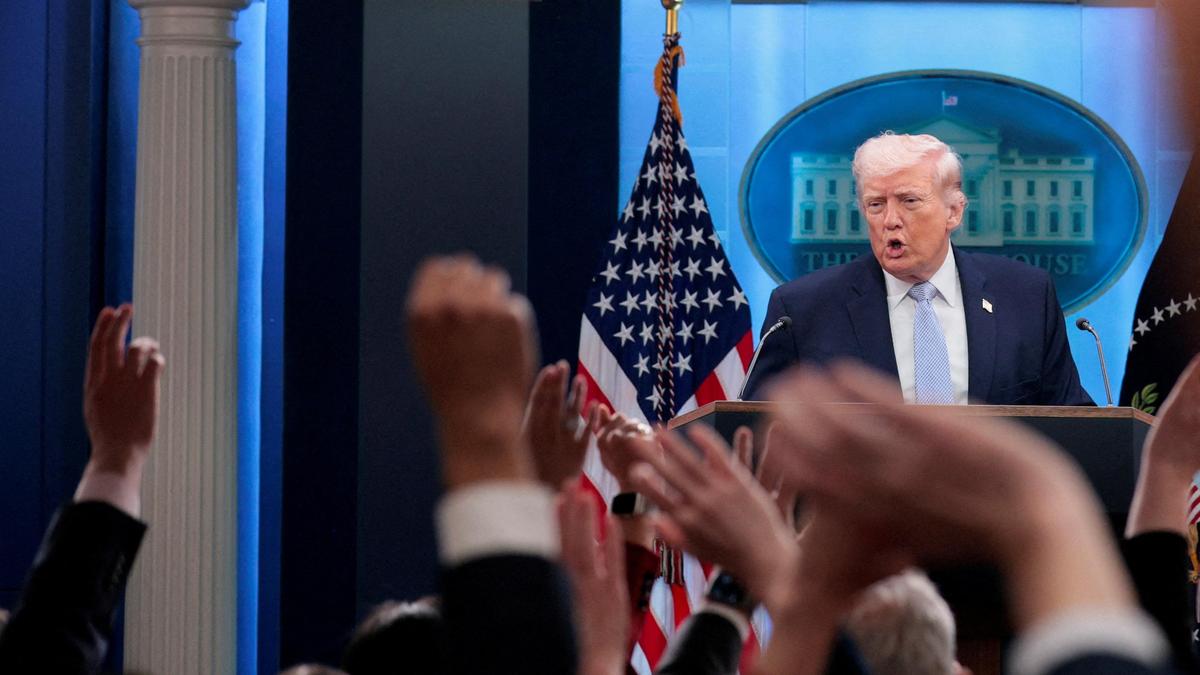
- Trump suspended U.S. bombing of Iran for two weeks on April 8, 2026, announcing direct talks in Islamabad on April 10 based on Tehran's 10-point proposal, with the pause conditional on Iran reopening the Strait of Hormuz.
- Iran said it would halt strikes if the U.S. and Israel stopped their attacks and committed to safe passage through the Strait of Hormuz coordinated with Iranian armed forces during the truce.
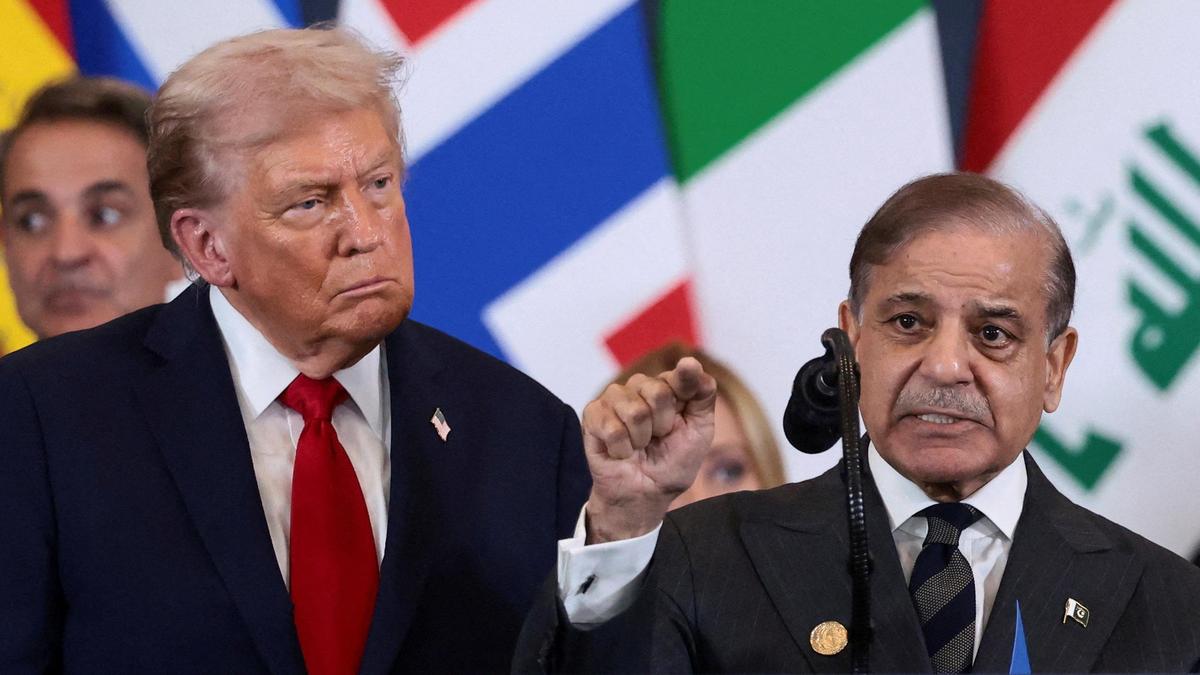
- Pakistan mediated the agreement, saying all parties and allies agreed to an immediate ceasefire on all fronts including Lebanon, and announced Islamabad will host the April 10 talks.
- Israel publicly disputed the scope of the ceasefire, stating it "does not include Lebanon," directly contradicting Pakistan's claim of a broader truce.
- The deal ties the U.S. bombing pause to a reciprocal halt in Iranian strikes and reopening of the Strait of Hormuz, with Pakistan's "all fronts" framing already contradicted by Israel before talks begin.
Why it matters: The ceasefire's two-week window and conditional terms — including Iran reopening the Strait of Hormuz and Israel halting attacks alongside the U.S. — leave little margin for failure at the April 10 Islamabad talks. Israel's immediate public rejection of Lebanon's inclusion in the truce signals the parties entered the deal with conflicting interpretations of its scope.
Ask SkimNews