Philippine Energy Emergency as Iran‑War Cuts Fuel — SkimNews

SkimNews Take
Regional energy insecurity, exacerbated by distant conflicts, appears to be accelerating a strategic realignment toward powers that can offer immediate, tangible solutions, even if those solutions come with long-term geopolitical costs.
Get the Geopolitics newsletter
Daily geopolitics — wars, elections, sanctions, the diplomatic moves that move markets. Free.
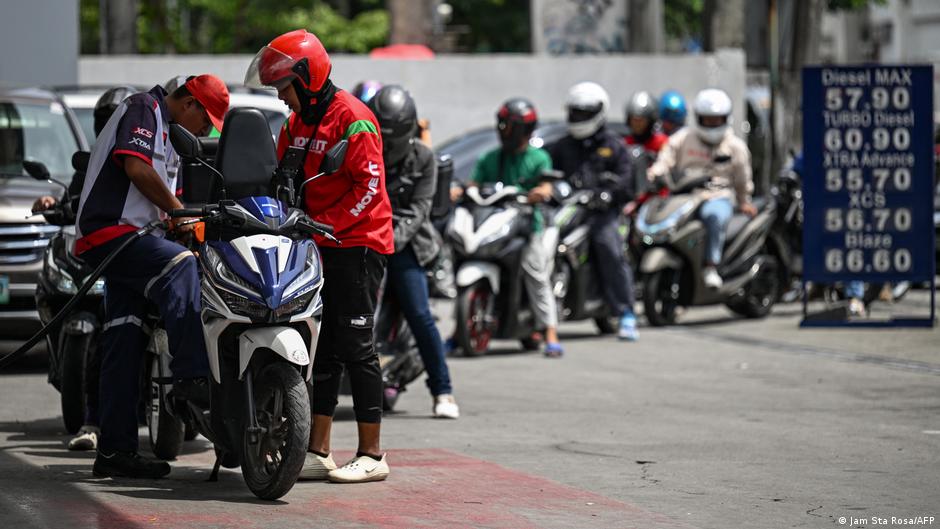
- Philippine President Ferdinand Marcos Jr. declared a national energy emergency in late March, reporting only 45 days of fuel reserves and a need for an extra 1 million barrels.
- The Iran war has disrupted the flow of crude, naphtha, LPG, and refined products through the Strait of Hormuz, choking Southeast Asia’s petrochemical and agricultural supply chains.
- The International Monetary Fund warned that Asia’s heavy reliance on Middle Eastern fuel makes the region especially vulnerable to a prolonged energy shock.
- U.S. security guarantees have not insulated Indonesia, the Philippines, and Vietnam from the economic fallout of the Gulf conflict, forcing them to scramble for fuel.
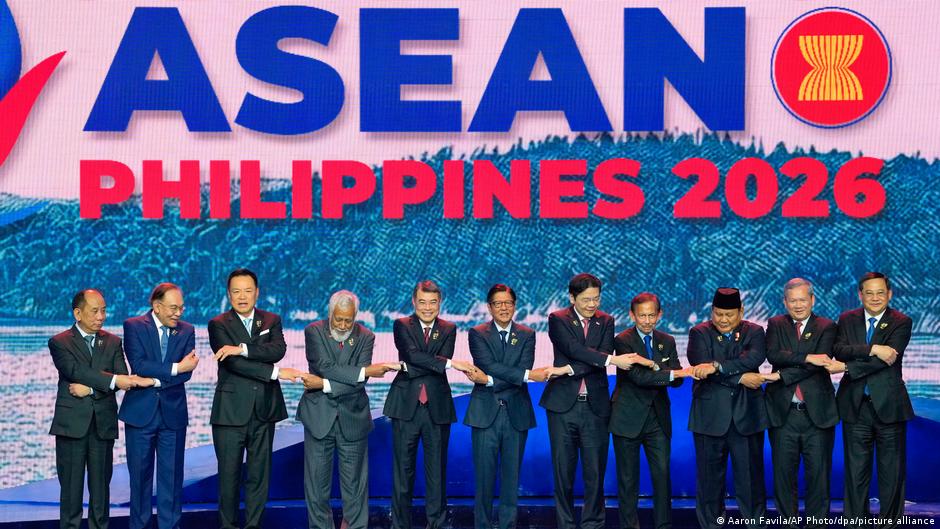
- Southeast Asian nations face a strategic dilemma, as the energy shock could push them toward deeper alignment with either the United States or China.
Why it matters: Philippine consumers risk fuel shortages as the government scrambles for 1 million barrels, while China could capture new strategic partners as the US fails to cushion the crisis.
Ask SkimNews