North Korea Shadow Fleet Goes Dark to Beat UN Sanctions — SkimNews

Get the Geopolitics newsletter
Daily geopolitics — wars, elections, sanctions, the diplomatic moves that move markets. Free.
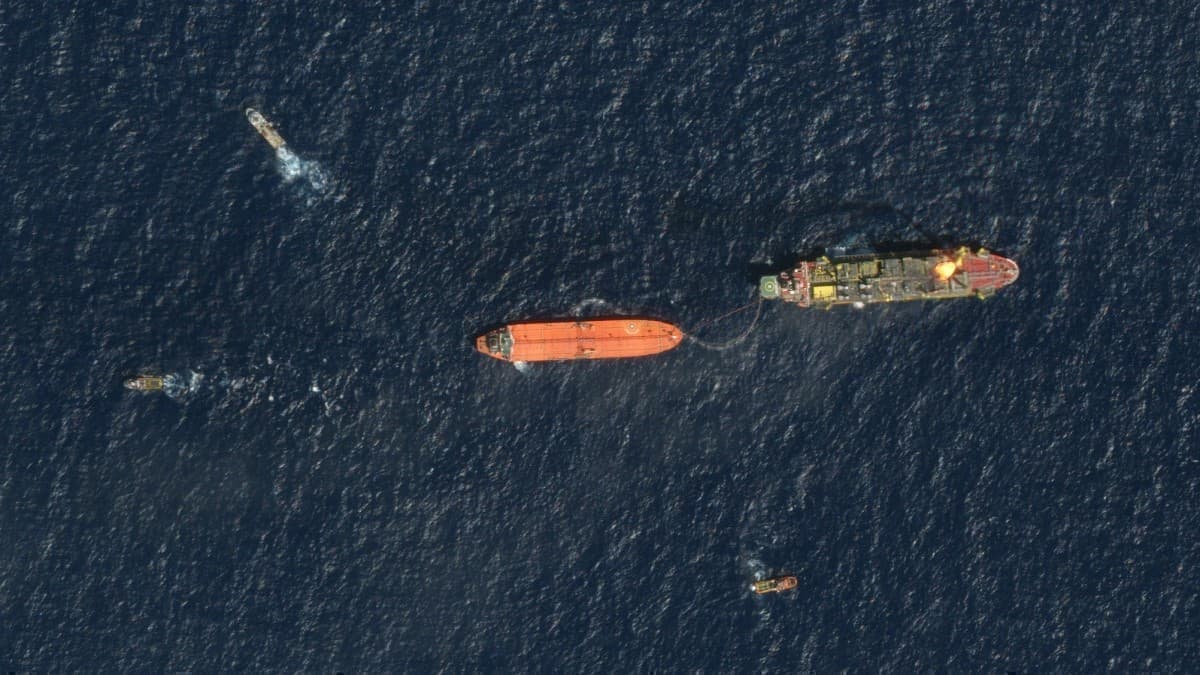
- A North Korea-linked oil tanker sailing under another country's flag went dark in the East China Sea in April 2023, stopping its Automatic Identification System (AIS) transmissions before reappearing on tracking screens 10 days later off southern China's coast.
- The reappeared signal placed the vessel off southern China, but the ship was actually in a bay hundreds of kilometers away, preparing to deliver oil to North Korea in violation of UN sanctions.
- University of Sydney international relations professor Justin Hastings has been tracking North Korea's shadow fleets and described the disguise tactics on The Conversation Weekly podcast.
- According to Hastings, shadow ships evade detection primarily because the oceans are far larger than people realize and international law presumes non-interference with vessels on the high seas.
- Hastings compared the world's oceans to the 'Wild West' and said Russia and Iran have borrowed from North Korea's playbook for sanctions evasion.
- Maritime interdictions could slow sanctions evaders down, but each boarding is 'really expensive and potentially dangerous,' per Hastings.
Why it matters: North Korea's AIS-spoofing playbook has spread to Russia and Iran, per researcher Justin Hastings, giving well-resourced sanctions evaders a maritime template that is extremely difficult to police because boarding ships on the high seas is costly and dangerous. The April 2023 case shows how easily a single vessel can reappear in a fake location to obscure oil deliveries to Pyongyang.
Ask SkimNews