France gears G7 for Trump amid Iran, Ukraine tensions — SkimNews
Get the Geopolitics newsletter
Daily geopolitics — wars, elections, sanctions, the diplomatic moves that move markets. Free.
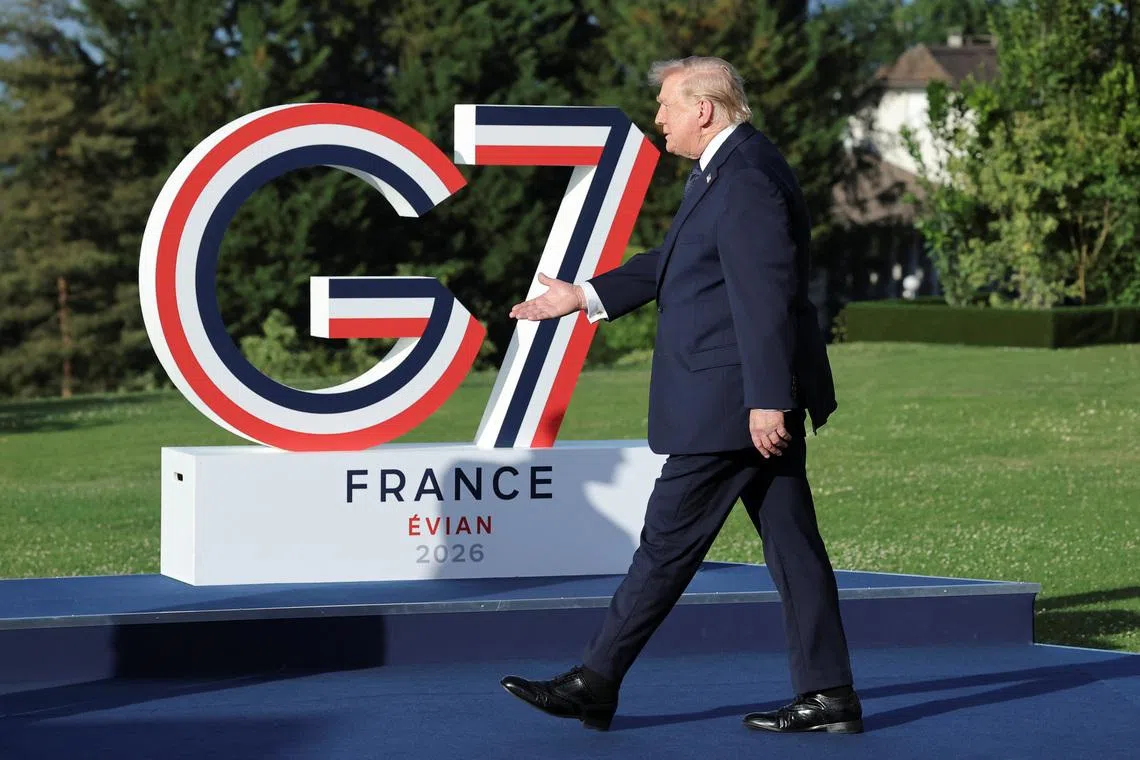
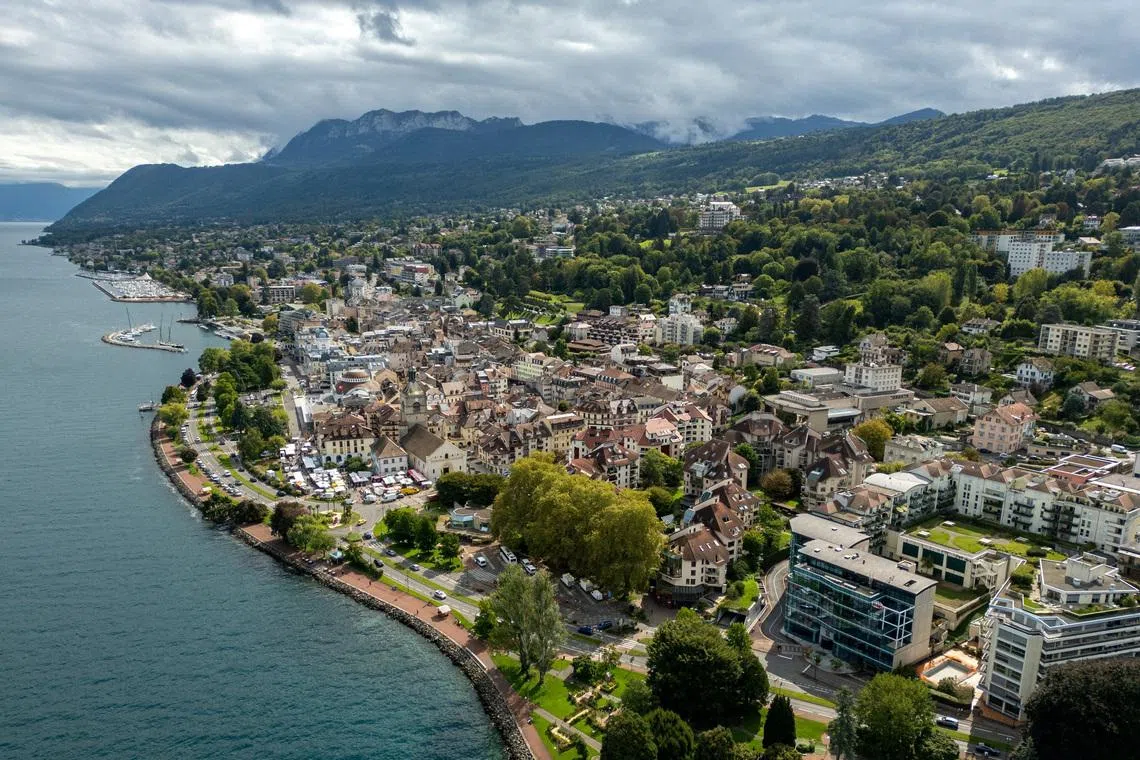
- France set the G7 summit for June 15‑17 in Evian‑les‑Bains and crafted an agenda that prioritises crisis management and avoids confrontation with President Trump.
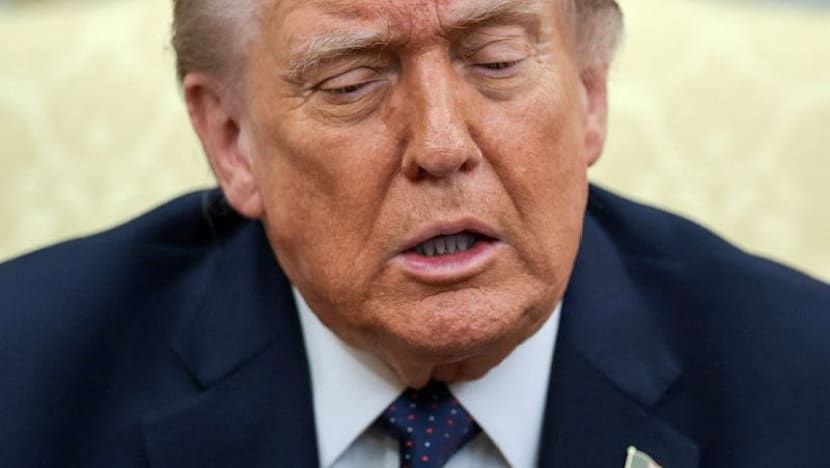
- Trump is expected to stay for the whole event, and his mood may hinge on securing an interim accord with Iran over the Strait of Hormuz and related demands.
- Iran and the United States are in a fragile ceasefire; Tehran demands the U.S. lift its blockade on Iranian ports, release frozen assets, and halt Israeli attacks on Hezbollah.
- Ukraine President Volodymyr Zelenskiy was invited to the summit, seeking a fresh push to end Russia’s war and urging Europe to play a larger role while noting U.S. attention is diverted by Iran.
- China is highlighted as a source of global macroeconomic imbalances, with France urging China to boost its own consumption and the G7 discussing critical‑mineral initiatives to reduce reliance on China.
- G7 dropped plans for a sweeping final communique, opting instead for narrower joint statements on critical minerals, migration, and drug trafficking.
Why it matters: With the G7 scaling back its communique and tailoring the agenda to keep Trump on‑site, European leaders hope to extract a modest Iran accord and a stronger European role in Ukraine, while the U.S. risks losing leverage as its attention splits between Tehran and Moscow.
Ask SkimNews