Trump-Xi Strategic Stability Framework Faces Fragility Test — SkimNews

Get the Geopolitics newsletter
Daily geopolitics — wars, elections, sanctions, the diplomatic moves that move markets. Free.
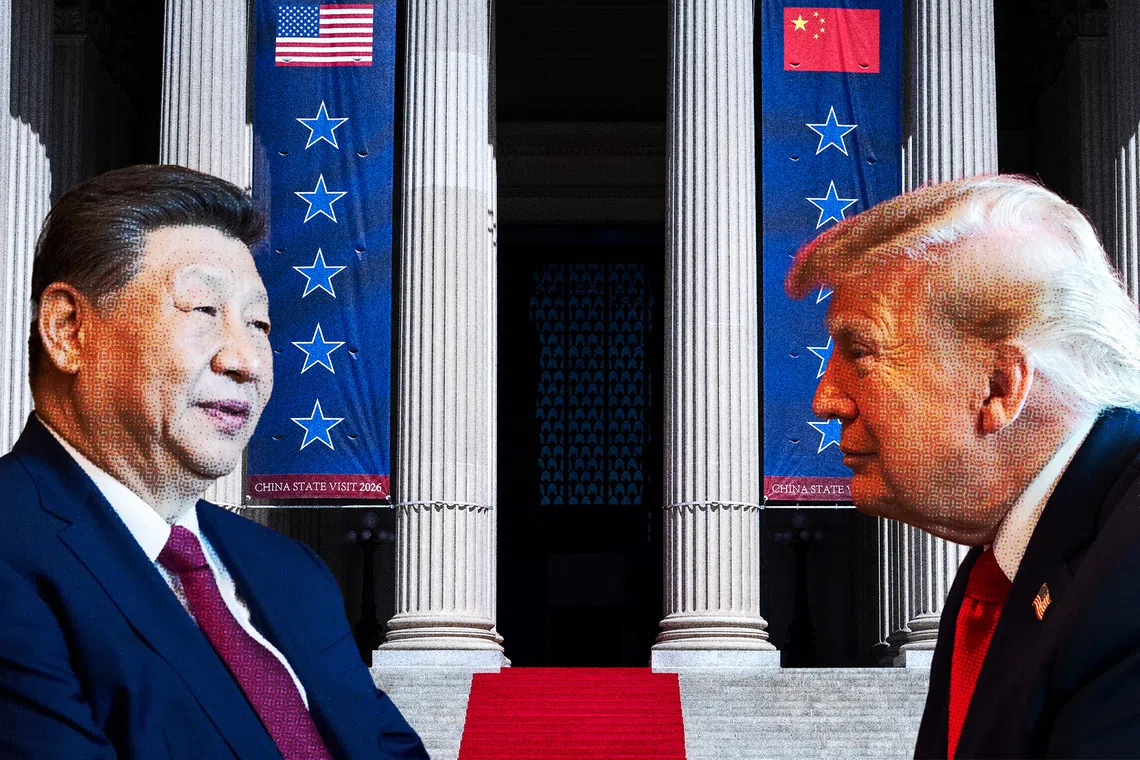
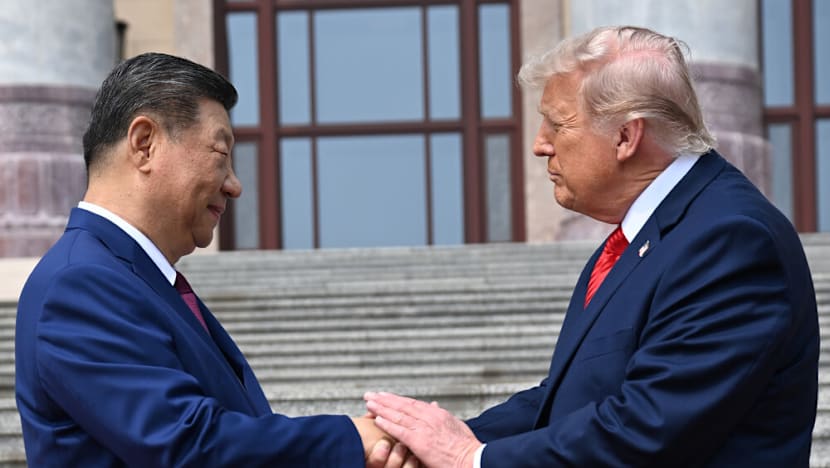
- Donald Trump and Xi Jinping agreed at their May Beijing summit to build a "constructive relationship of strategic stability," then reaffirmed the framework at a September Washington meeting, specifying it should rest on respect, fairness, and reciprocity.
- Sun Chenghao argues strategic stability should set boundaries on competition—how it is conducted, what ends it serves, how far it spreads—rather than eliminate competition, functioning as the factor that keeps competition from becoming self-reinforcing escalation.
- The article cites recent summit history to show fragile momentum: the Xi-Trump December 2018 Buenos Aires trade truce gave way to tariff escalation by May 2019, and the Xi-Biden November 2022 Bali meeting's diplomatic opening was derailed by the February 2023 balloon incident that cancelled then-Secretary of State Antony Blinken's planned Beijing visit.
- Xi, at the Washington summit, invited 100,000 young Americans to visit China for study and exchanges over the next five years—an initiative Sun frames as addressing "the loss of firsthand knowledge about each other."
- Recent US-China economic talks have begun including AI risks alongside traditional trade issues, per Sun, with conversation now extending to shared terminology, major safety incidents, cyber-risks, and human decision-making in high-consequence systems.
- Sun urges that institutional "shock absorbers"—the Board of Trade, Board of Investment, military-to-military channels, and AI dialogue—keep functioning even when political relations worsen, since that is when they are most immediately needed.
Why it matters: The piece surfaces a gap between summit rhetoric and the institutional channels—the Board of Trade, Board of Investment, military contacts—that actually prevent US-China competition from escalating into confrontation. Xi's 100,000-student invitation offers a tangible, measurable deliverable, but the Buenos Aires 2018 and Bali 2022 precedents the author cites show how quickly summit momentum collapses without sustained follow-through.
Ask SkimNews