Singapore Diplomat: US-China Shifting to Fragile Stability — SkimNews
Get the Geopolitics newsletter
Daily geopolitics — wars, elections, sanctions, the diplomatic moves that move markets. Free.
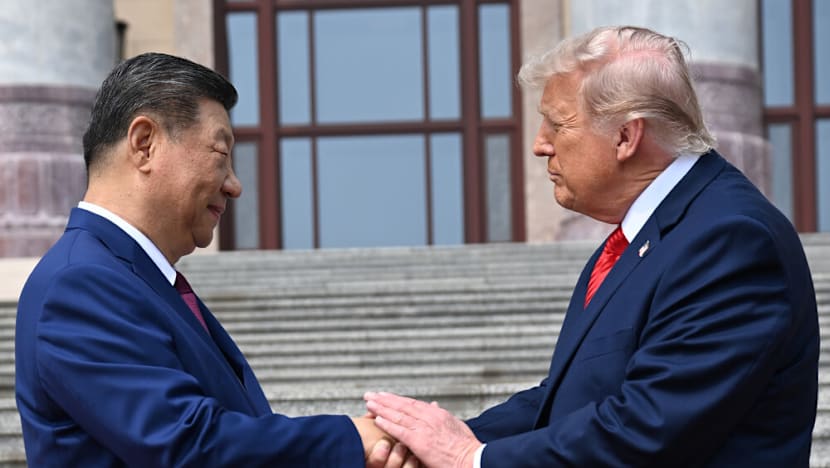
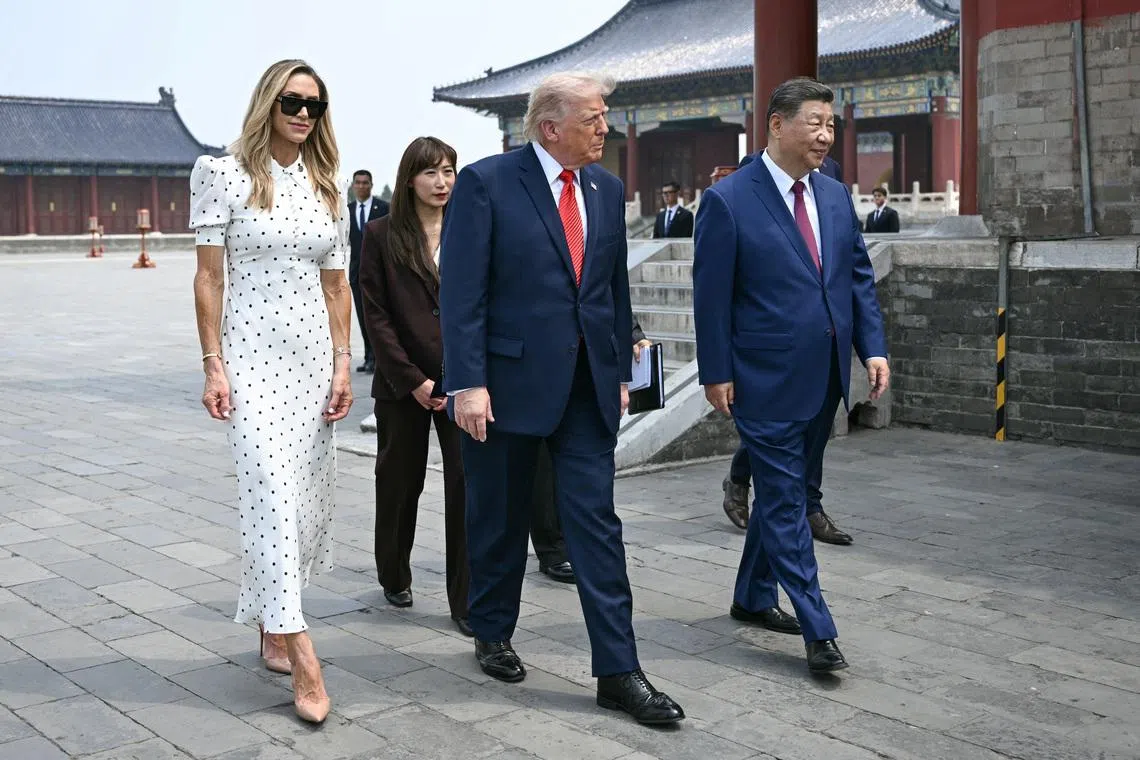
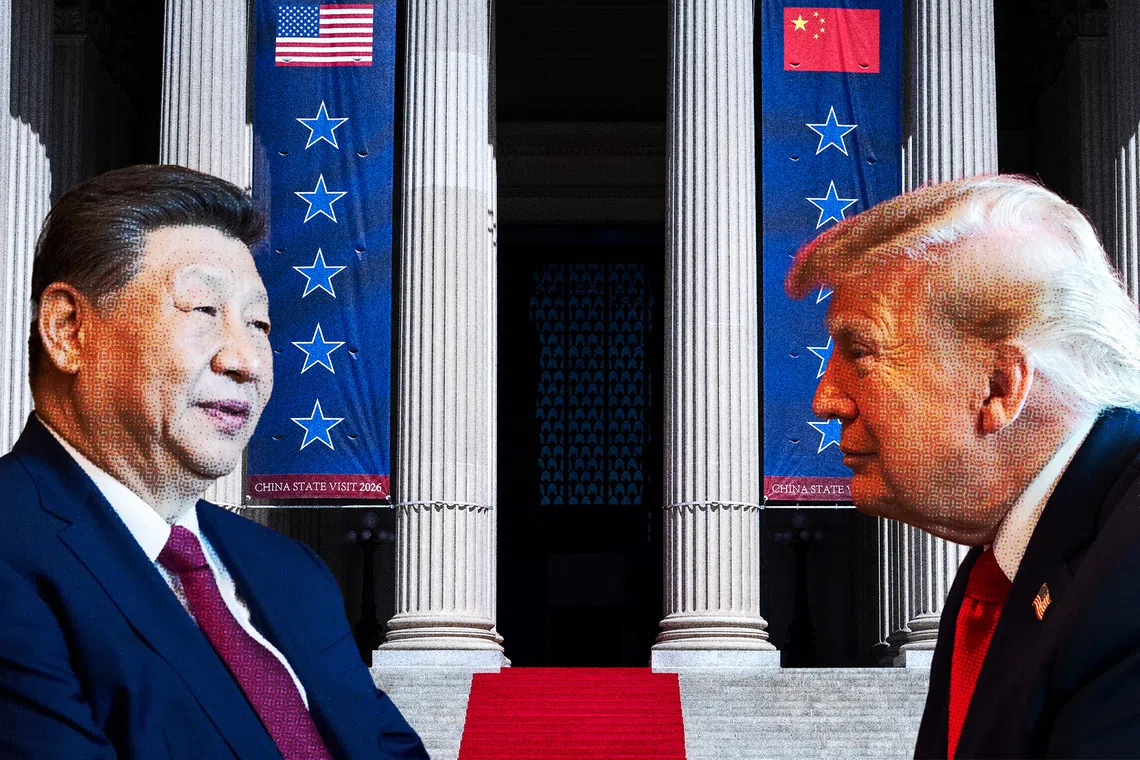
- Xi Jinping made his first state visit to the United States in more than a decade on September 23-25, with Trump and Melania greeting him and Peng Liyuan on the tarmac in Washington DC.
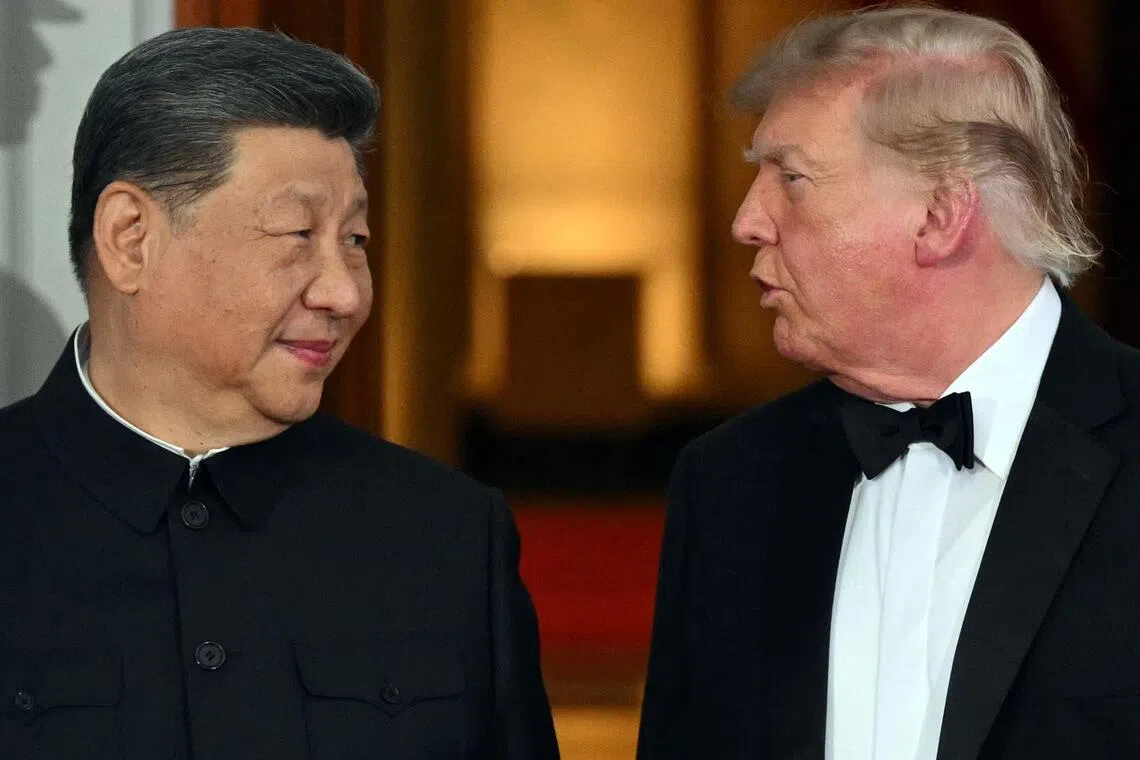
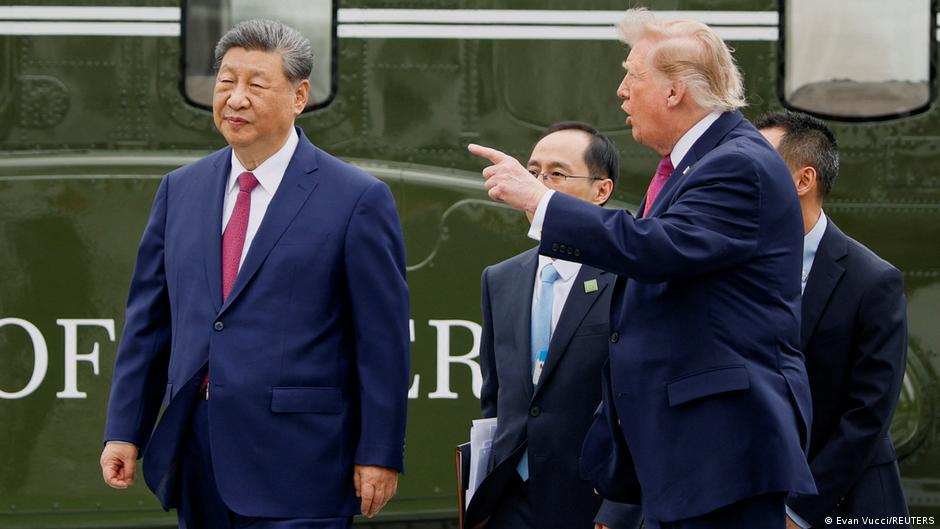
- Chan Heng Chee, Singapore's Ambassador At-Large, said the US-China relationship is shifting from confrontation to stability, calling the building of personal rapport between Trump and Xi a 'worthy outcome' and a precondition for future deals.
- Chan predicted 'the Chinese will miss Trump when he's gone,' noting that the US president, serving his last term, had taken political risks by personally reaching out to a rival power.
- Critics dismissed the September summit as heavy on symbolism and lacking substance — a framing Chan implicitly rejected by emphasizing relationship-building over deliverables.
- Southeast Asian nations have a direct stake in US-China stability, Chan said, warning the region does not want to become 'third-party collateral' if the great-power relationship deteriorates.
- Chan, who served as Singapore's envoy to the US for 16 years, flagged two more Trump-Xi meetings expected this year and raised questions about whether frameworks like Pax Silica and Pax Waico can be made watertight.
Why it matters: Chan's assessment reframes the Trump-Xi summit as a relationship investment rather than a policy breakthrough, with two additional leader meetings on this year's calendar designed to convert rapport into concrete deals. For Southeast Asia's nations, fragile stabilization between Washington and Beijing matters because the region lacks the capacity to absorb being drawn into great-power conflict as 'third-party collateral.'
Ask SkimNews