U.S. and China Pursue Strategic Stability Framework — SkimNews

Get the Geopolitics newsletter
Daily geopolitics — wars, elections, sanctions, the diplomatic moves that move markets. Free.
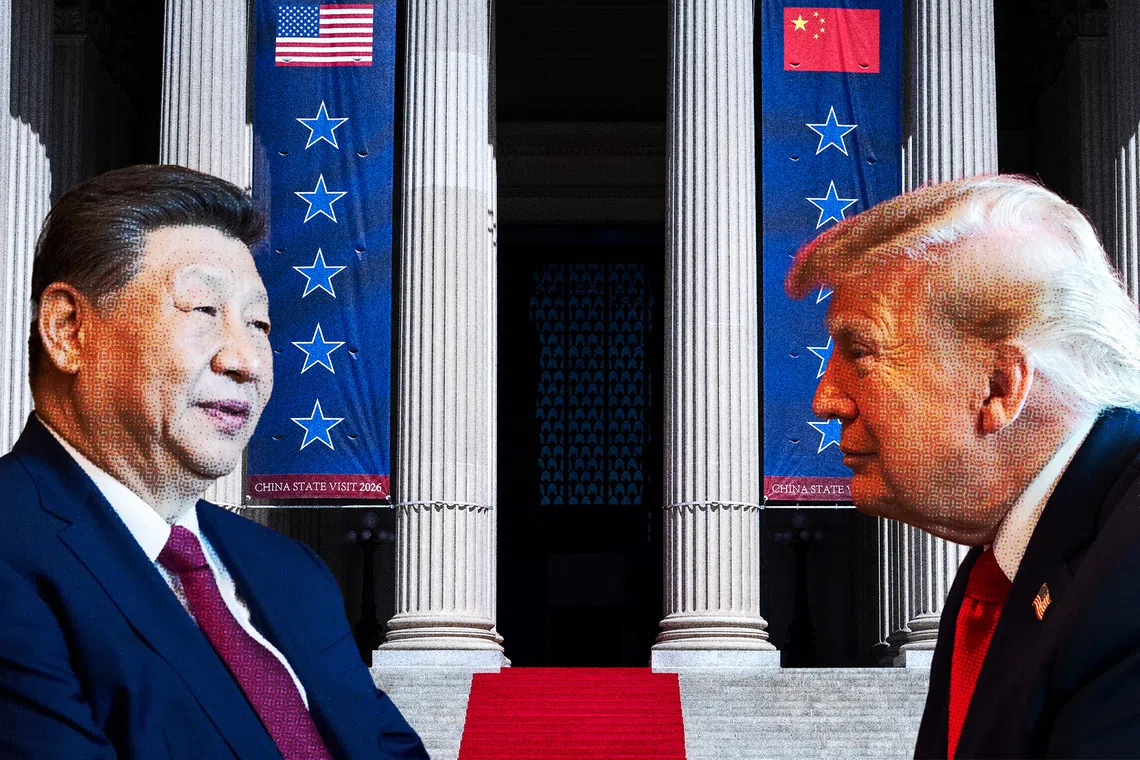
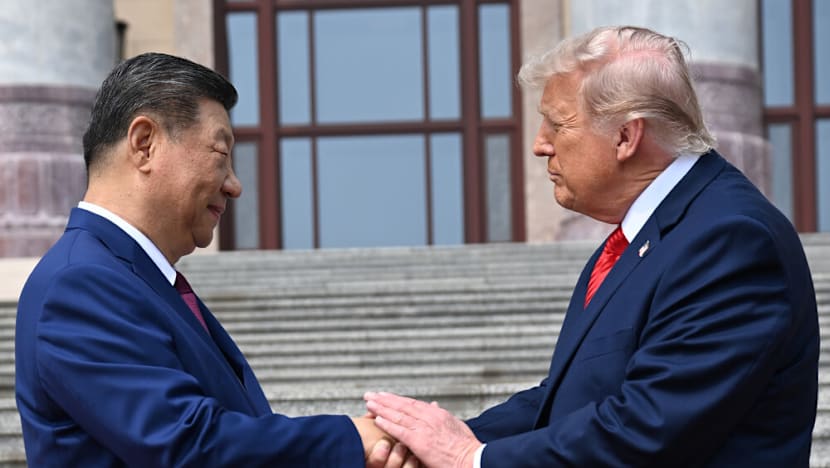
- Trump and Xi agreed in May and reaffirmed in September on a 'constructive relationship of strategic stability' based on respect, fairness, and reciprocity, without ending competition between the two nations.
- U.S. and China committed to maintaining open military and economic channels even during tensions, recognizing that crisis-driven diplomacy has repeatedly failed to sustain progress.
- Sun Chenghao emphasized that strategic stability should act as a floor under competition, not a ceiling on cooperation, allowing disagreements in one area without contaminating the entire relationship.
- U.S.-China economic talks have begun including AI risks alongside traditional trade issues, signaling early progress toward institutionalizing dialogue on emerging technologies.
- Xi invited 100,000 young Americans to study and exchange in China over the next five years, aiming to rebuild people-to-people ties eroded by years of diplomatic strain.
Why it matters: Without sustained mechanisms, past summits have failed to prevent setbacks like the 2019 tariff resumption or the 2023 Blinken visit cancellation. This push for regular engagement could reduce the risk that isolated disputes trigger broad relational collapse, affecting global security and economic stability.
Ask SkimNews