Kent MenB outbreak traced to Canterbury nightclub kills two — SkimNews

Get the Health newsletter
Daily health & science — research, biotech, public health, the studies worth knowing. Free.
- Club Chemistry in Canterbury is the confirmed epicenter of a MenB meningitis outbreak that has caused two deaths, with 18 cases confirmed and 11 under investigation as of Friday.
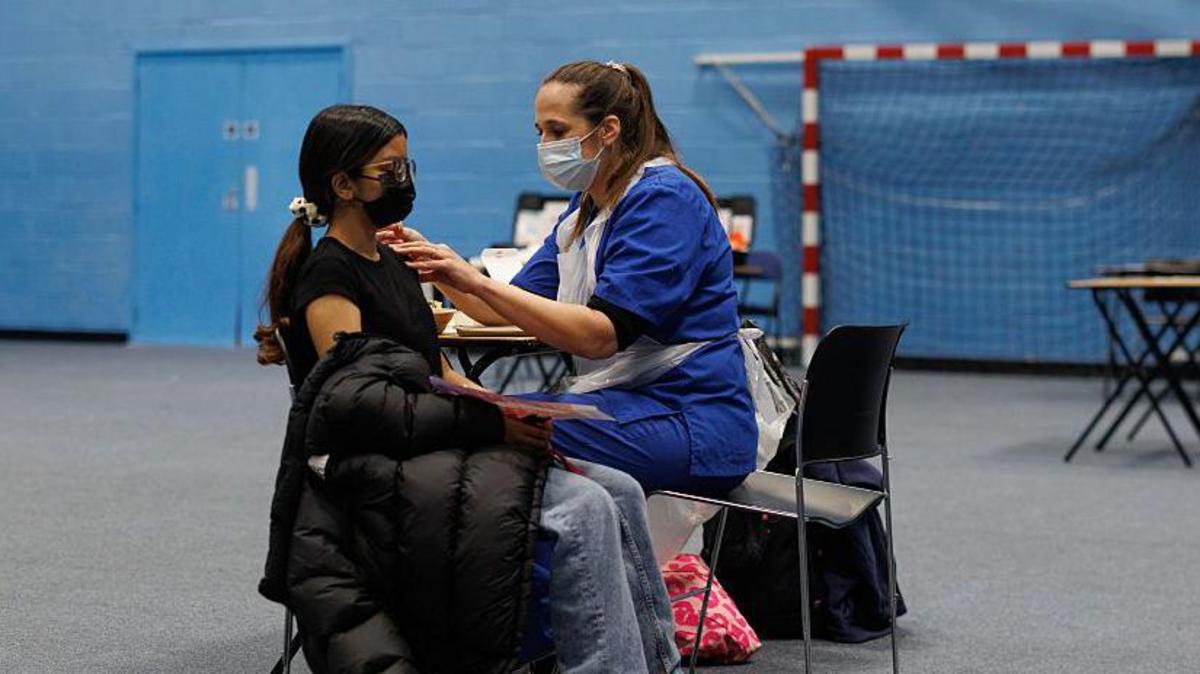
- Public health officials are offering antibiotics and the Bexsero MenB vaccine to nightclub attendees and others at risk, though the vaccine protects against severe disease but does not stop people from carrying or spreading the bacteria in the nose and throat.
- Meningitis cases in England fell from more than 2,000 annually in the 1990s to below 100 in 2020-21 during the pandemic, then rebounded to 378 cases in 2024-25 as part of a broader post-pandemic resurgence of infections.
- The MenB vaccine offered to babies since 2015 protects through the vulnerable first year or so but is expected to wane by adolescence, meaning those vaccinated as infants are unlikely to be protected in their late teens.
- A 1997 Southampton University outbreak killed three students who attended the same crowded club, and a British study found that going to pubs and clubs, kissing, and smoking together raised meningococcal infection risk fourfold.
- Prof Sir Andrew Pollard of the Oxford Vaccine Group called the Kent outbreak a "perfect storm of the particular organism, the hosts' immunity and the event," noting hyper-invasive meningococcal strains typically dominate for a decade before fading as population immunity builds.
Why it matters: Teenagers and young adults — precisely the demographic whose infant MenB vaccine protection wanes by adolescence — are uniquely exposed in this outbreak. With two already dead and the vaccine unable to prevent bacterial carriage, containment depends entirely on rapid antibiotic distribution and follow-up shots given a month apart to anyone Club Chemistry exposed.
Ask SkimNews