Indonesia urged to play more active role in global climate diplomacy
Get the Energy newsletter
Daily energy & climate — solar, EVs, oil, the policy fights and tech bets shaping the transition. Free.
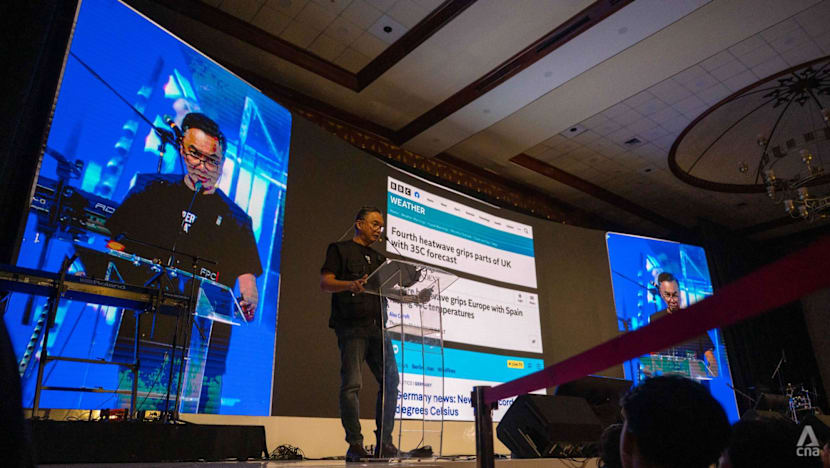
- Dino Patti Djalal, Chairman of the Foreign Policy Community of Indonesia (FPCI), opened the Indonesia Net-Zero Summit 2026 at Balai Kartini in Jakarta on Aug 1, calling climate change "the greatest blind spot in world affairs" that has slipped down global priorities amid wars, AI advances, and trade competition.
- FPCI urged Indonesia to push for climate action within the G20 — whose members account for nearly 80% of global greenhouse gas emissions — and to speak candidly to the United States about consequences of its withdrawal from the Paris Agreement.
- FPCI recommended Indonesia participate actively in COP31 in Antalya, Turkey in November, leveraging its tropical forests — "the world's greatest natural carbon sink" — and biodiversity as comparative advantages for building international coalitions.
- Environment Minister Moh Jumhur Hidayat said the government is preparing its COP31 agenda, including a carbon trading package for investors, and confirmed President Prabowo's "extraordinary commitment" to tackling climate change.
- Deputy Environment Minister Diaz Faisal Malik Hendropriyono said active engagement in the G20 and BRICS is crucial to closing Indonesia's "enormous" climate financing gap, noting the BRICS New Development Bank has been encouraged to allocate 40% of financing to green projects.
- China's Special Envoy for Climate Change Liu Zhenmin told the summit China is ready to work with Indonesia on carbon neutrality, noting China has signed climate change MOUs with developing countries under South-South cooperation as of June 2026.
- The fifth annual INZS drew approximately 9,500 participants, with a majority being university students from across Indonesia who came seeking careers in ESG and the green economy.
Why it matters: Indonesia holds the world's largest tropical carbon sink and is pushing to convert that natural leverage into diplomatic capital, with a COP31 carbon-trading package and BRICS green-finance access on the table. The FPCI's framing makes clear that climate has been crowded out by wars, AI advances, and trade competition — making any active Indonesian push a contrarian move against the current of fading global climate attention.