One anti-war critic fined, another held as Russia clamps down on dissent
Get the Geopolitics newsletter
Daily geopolitics — wars, elections, sanctions, the diplomatic moves that move markets. Free.
- Blogger Ilya Remeslo, a former Putin backer who reversed course in a March 2026 Telegram post calling Putin a "war criminal and thief," was remanded in custody for two months on charges of spreading false information about the military; he had previously been sent to a psychiatric hospital for a month and alleges he was held against his will.
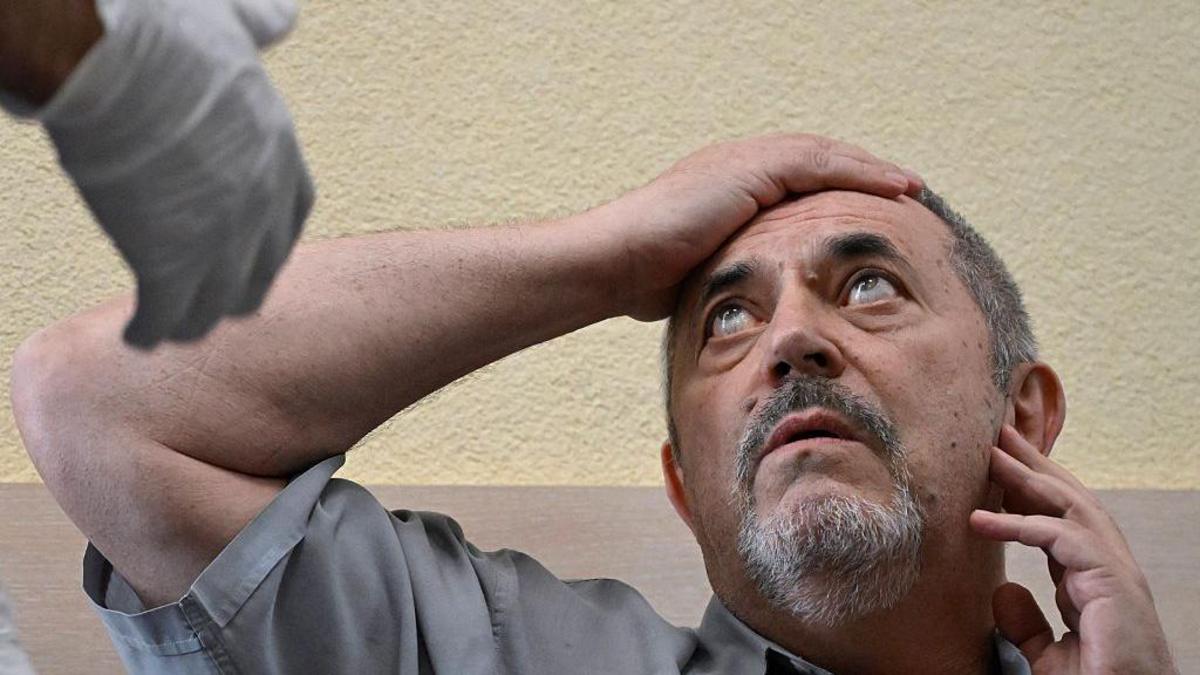
- Boris Nadezhdin, 63, was convicted of "displaying extremist symbols" — triggered by a 2023 video repost briefly showing an image of Navalny — fined 1,000 roubles (£9.50), and barred from collecting signatures for September's Duma elections; he was also declared a "foreign agent" and barred from leaving Russia.
- Putin's approval rating fell to 66% per the Public Opinion Foundation (down five points in a week) or 65.1% per state-owned pollster VTsIOM — the lowest since the full-scale invasion of Ukraine began in February 2022.
- Ukraine's drone strikes on Russian oil refineries and storage depots have triggered fuel shortages across Russia including Moscow — a development Remeslo cited on Telegram the day before his arrest as evidence that "the situation is getting worse rapidly for Putin."
- Alexei Navalny, Russia's most prominent opposition figure, died in an Arctic penal colony in February 2024; the UK and four European countries say they are "confident he was poisoned with a lethal toxin," while Russia attributed his death to natural causes.
- Nadezhdin appeared in court in Dolgoprudny, just north of Moscow, where he briefly fell during proceedings; he denied the charges and said all his accounts had been frozen, leaving him unable to pay even the modest fine.
Why it matters: The anti-war opposition in Russia has been reduced to a politician fined £9.50 for a 2023 repost and a former Putin supporter jailed for a blog post — even as his approval rating drops to 65-66%, the lowest since the February 2022 invasion and tied in Remeslo's own framing to Ukraine's refinery campaign causing fuel shortages.