Trump's Turkey CAATSA Reversal Boosts Russia's Arms Buyers — SkimNews

Get the Geopolitics newsletter
Daily geopolitics — wars, elections, sanctions, the diplomatic moves that move markets. Free.
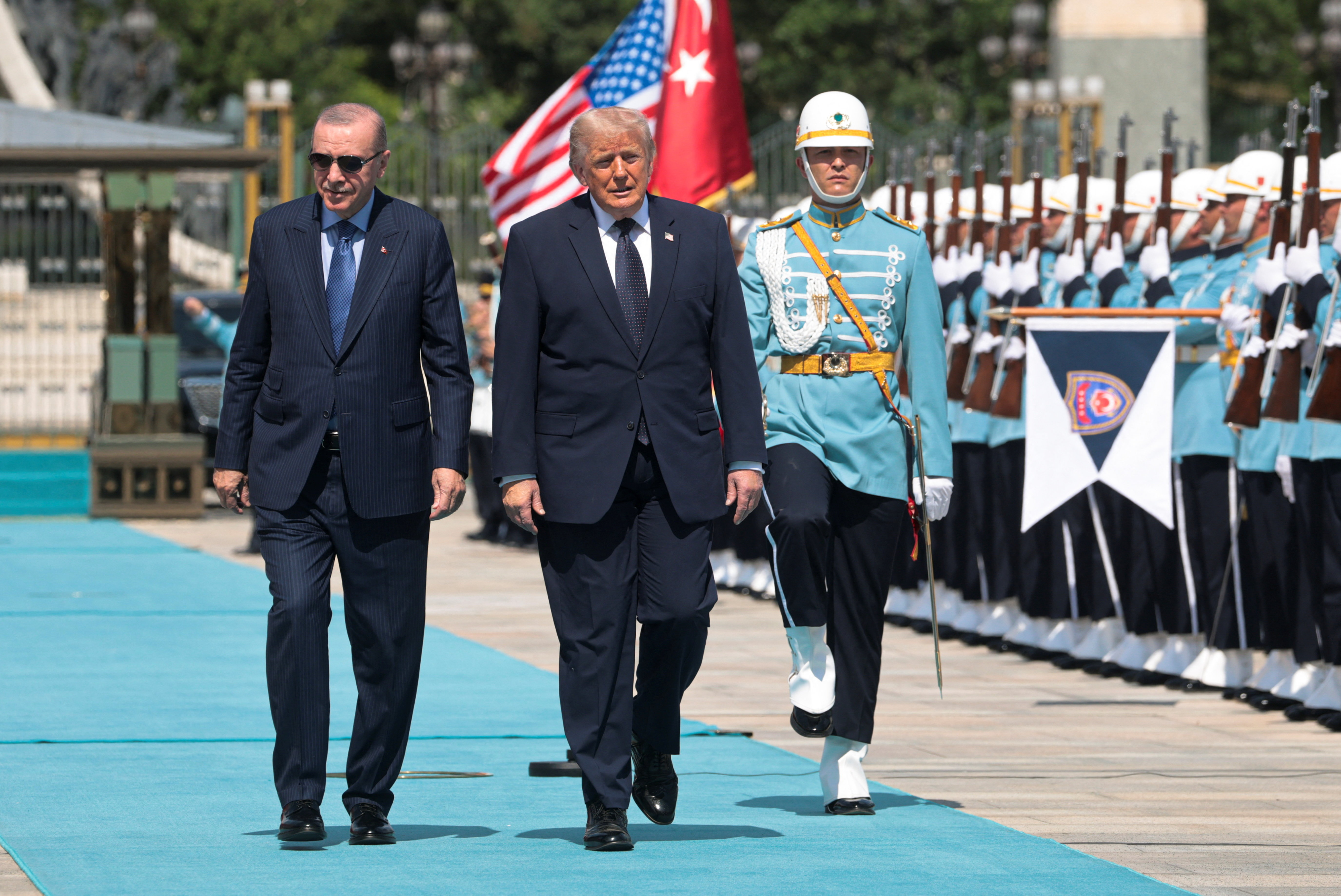
- Trump announced at a NATO summit in Ankara his intent to sell F-35s to Turkey, lifting CAATSA sanctions Turkey faced over its purchase of Russia's S-400 air defense system.
- CAATSA, signed into law in 2017 with bipartisan support, creates a secondary sanctions regime that lets the president impose at least five penalties — including defense export embargoes and asset freezes — on foreign entities engaged in "significant transactions" with Russia's defense or intelligence sectors.
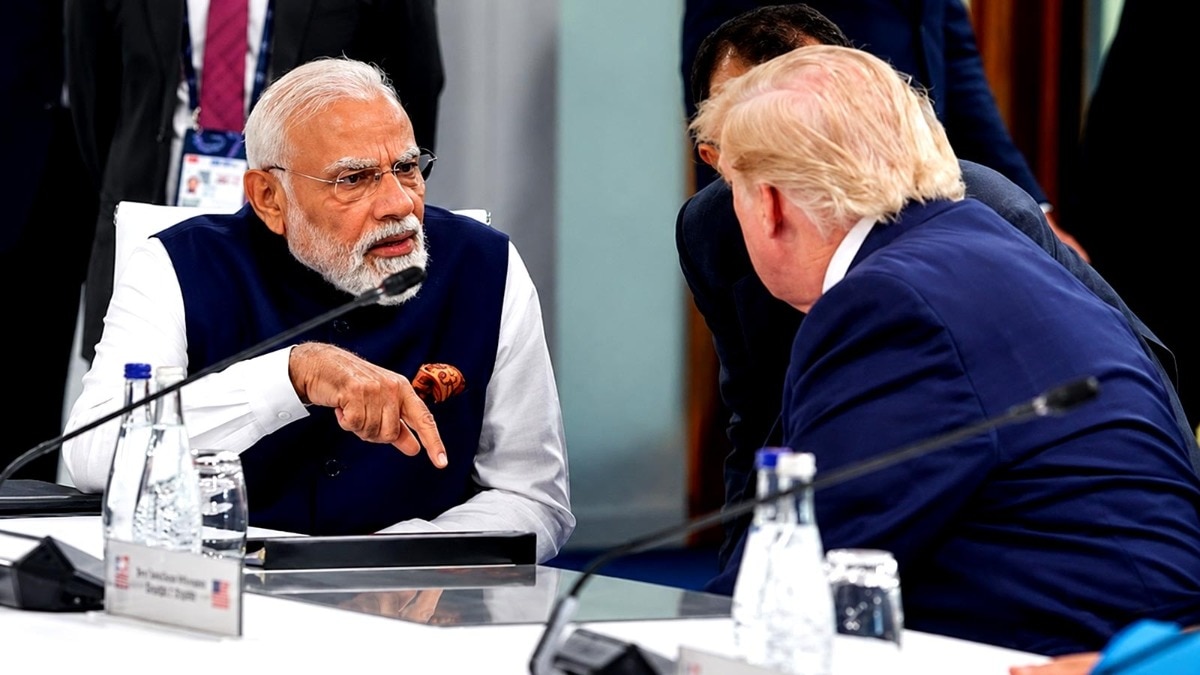
- India received another S-400 regiment last month and ordered five new S-400 regiments after last year's India-Pakistan fighting, while deepening negotiations to procure Russia's Su-57 fifth-generation fighter.
- Indonesia canceled a potential purchase of 11 Su-35 fighters in 2020 primarily over CAATSA concerns, and Vietnam reportedly devised a 2025 backdoor payment scheme using profits from joint oil and gas ventures with Moscow to shield defense contracts from Western sanctions.
- Malaysia (Su-30 fighters), Bangladesh, and Sri Lanka (MiG-29s, Mi-17 helicopters) operate Russian-built systems and gain confidence to continue purchases, while China, North Korea, Myanmar, and Laos already openly ignore or absorb CAATSA penalties.
- Russia's arms exports have collapsed since the Ukraine war as production is diverted to the battlefield and weapons factories face Ukrainian drone strikes, though Trump signaling a more permissive CAATSA approach reduces one of the few remaining political obstacles to future sales.
Why it matters: CAATSA was designed to force countries to choose between Russian arms and closer US security ties. Trump's Turkey reversal signals that lever is now a selective political tool, not a fixed rule — giving India, Vietnam, and Indonesia room to deepen Russian purchases while reducing Washington's coercive leverage in the Indo-Pacific precisely as Moscow seeks to rebuild export capacity.
Ask SkimNews