Bees spend as much energy buzzing pollen as flying — SkimNews

Get the Health newsletter
Daily health & science — research, biotech, public health, the studies worth knowing. Free.
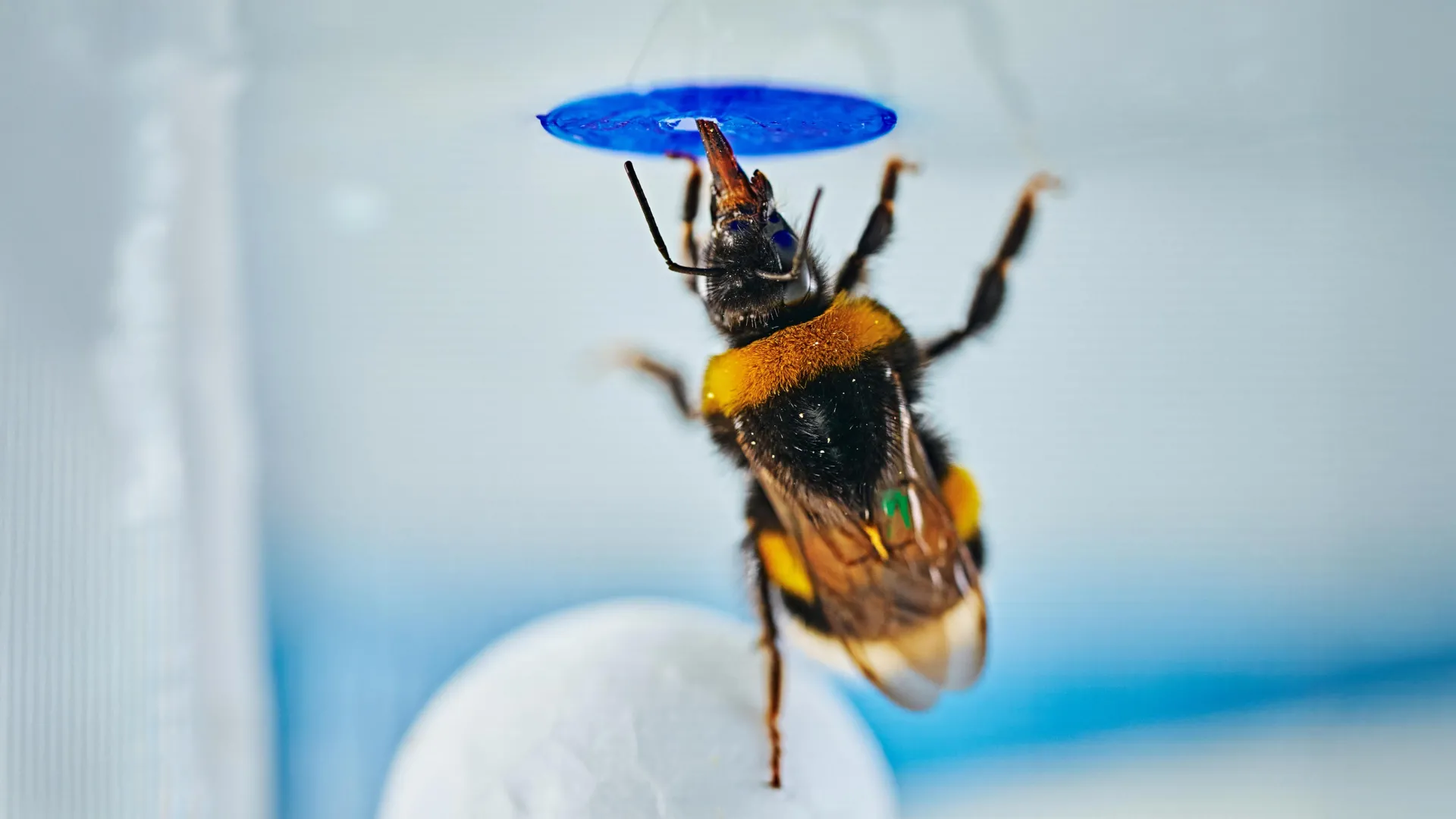
- Bumblebees use as much energy during floral buzzing as in flight take-off, with each buzzing event demanding metabolic effort comparable to liftoff, according to laser and respirometry measurements.
- University of Sussex researchers led by Natacha Rossi directly measured the energy cost of buzz pollination, finding it forces bees to carefully select which flowers to visit.
- Metabolic rates during floral sonication exceed resting levels by more than 30 times, making it one of the most energetically demanding behaviors bumblebees perform.
- Dr Beth Nicholls notes floral buzzing likely constitutes a major part of a bee’s daily energy budget, challenging the assumption that flight dominates energy use.
- Post-pollination grooming and pollen-packing require additional energy, followed by high-power take-offs under heavier loads, creating a two-phase energy-intensive process.
- Bumblebee Conservation Trust reports UK bumblebee numbers dropped nearly 25% in 2024 compared to the 2010–2023 average, likely due to cold, wet spring conditions.
Why it matters: With nectar supplies declining due to climate change and habitat loss, the high energy cost of buzz pollination means bees must optimize foraging more strictly, potentially reducing pollination for certain plants and threatening ecosystem stability where these flowers rely exclusively on sonication.
Ask SkimNews