U.S.-Japan Yen Intervention: 5% Rally, Rate Gap Still Wide
Get the Finance newsletter
Daily finance — markets, central banks, M&A, the prints that move money. Free.
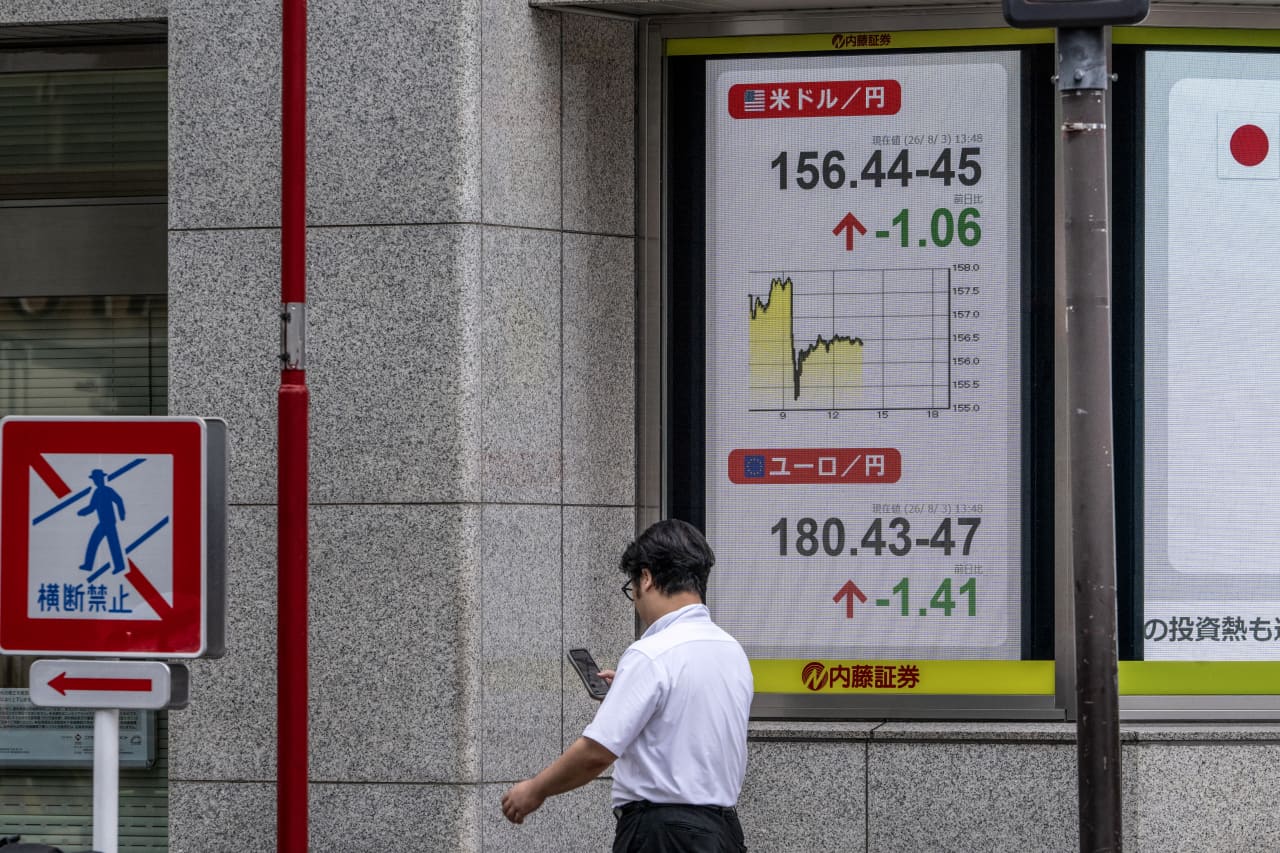
- Japan's Ministry of Finance confirmed a joint intervention with the U.S. Treasury lifted the yen nearly 5% from a 40-year low of ¥164 to ¥156.70 by Monday.
- The operation topped an estimated $50 billion, with the New York Fed executing it by selling euros rather than Japan drawing down its $1.1 trillion in U.S. Treasury holdings.
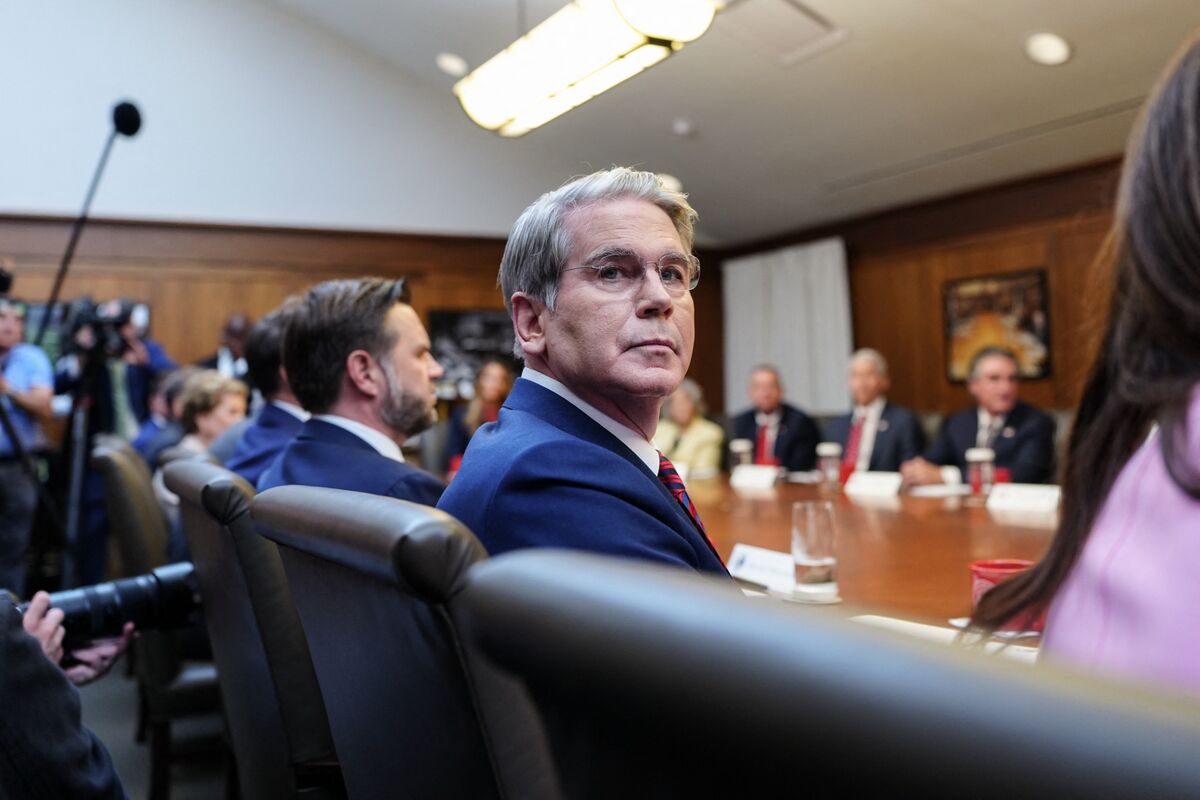
- Treasury Secretary Scott Bessent had 'Buy Japanese yen $5-10 bill' as the lone entry on a to-do list photographed by Reuters during a Friday cabinet meeting.
- President Trump confirmed U.S. participation in the intervention, framing it as 'a signal of friendship' with Japan.
- The rate differential — Japan's 1% policy rate versus the Fed Funds target of 3.50-3.75% — continues to drive yen weakness; the BOJ held rates unchanged last Friday even as Japan's CPI approaches 2%.
- Gavekal's Louis Gave and ING's Chris Turner both argue the yen cannot recover meaningfully without either Fed cuts or BOJ hikes, with ING pointing to a possible 25bp hike at the September 18 meeting.
- The broader dollar index fell below 100 for the first time since June, while Japan's current-account surplus — the largest in the G-7 — has failed to support its currency amid persistent yen carry-trade dynamics.
Why it matters: The intervention bought time, not a fix. With Japan's policy rate 250+ basis points below the Fed's and 30-year Treasury yields at near two-decade highs, currency strategists say the September 18 BOJ meeting is now the real catalyst. The dollar index slipping below 100 signals traders are positioning for the rate gap to narrow — making Friday's BOJ hold look like a missed opportunity.