Texas data centers could erase decades of air gains — SkimNews

Get the Energy newsletter
Daily energy & climate — solar, EVs, oil, the policy fights and tech bets shaping the transition. Free.
- HARC report modeled that if all planned Texas data center projects connect to the grid using the expected energy mix, fine particle pollution would more than triple, NOx emissions would rise 136%, and CO2 would climb 90% above 2025 levels within five years.
- The projected pollution levels would reach their highest fine particle readings since 2006 and approach NOx levels from 2004, wiping out decades of cumulative air quality gains.
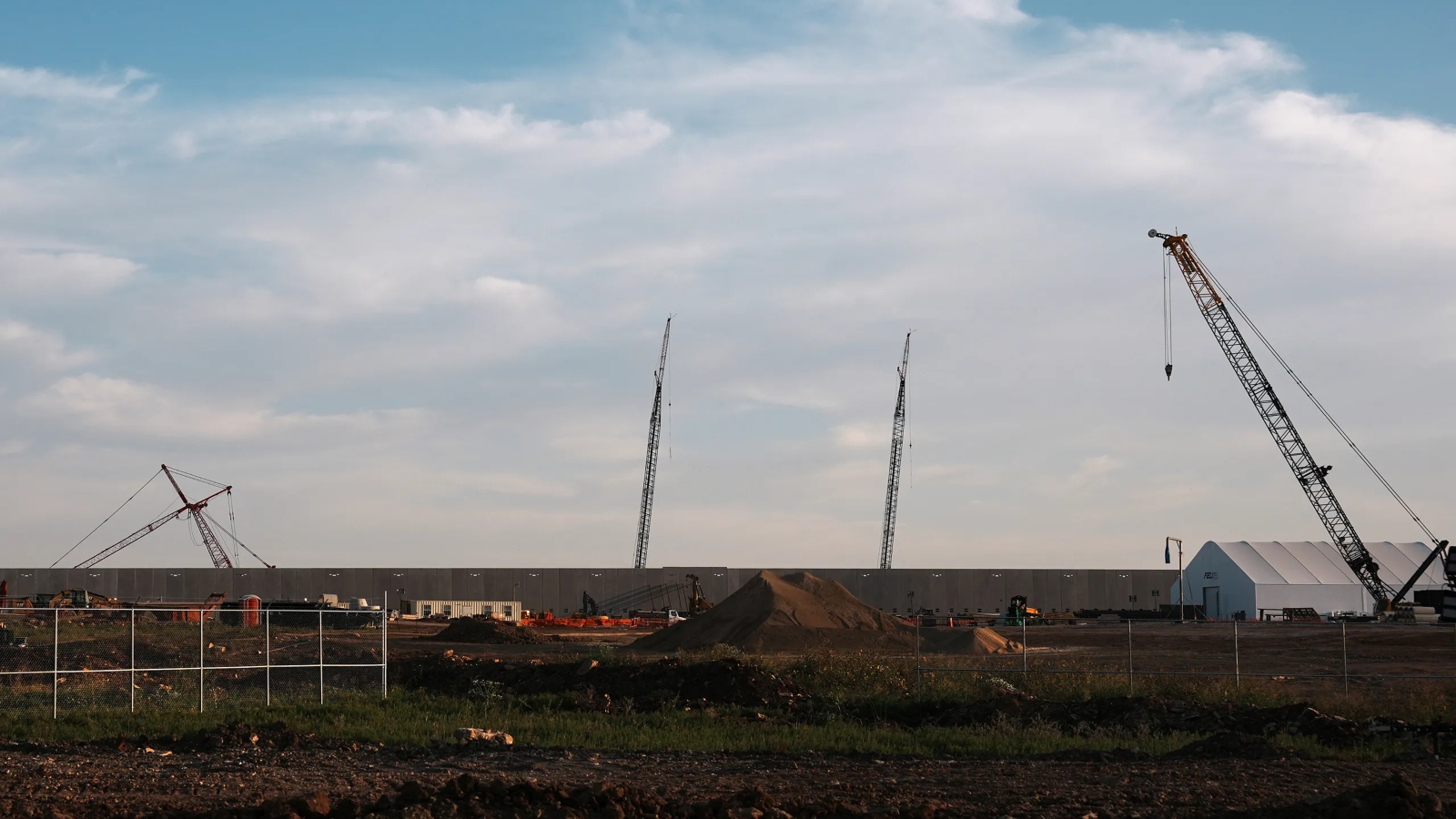
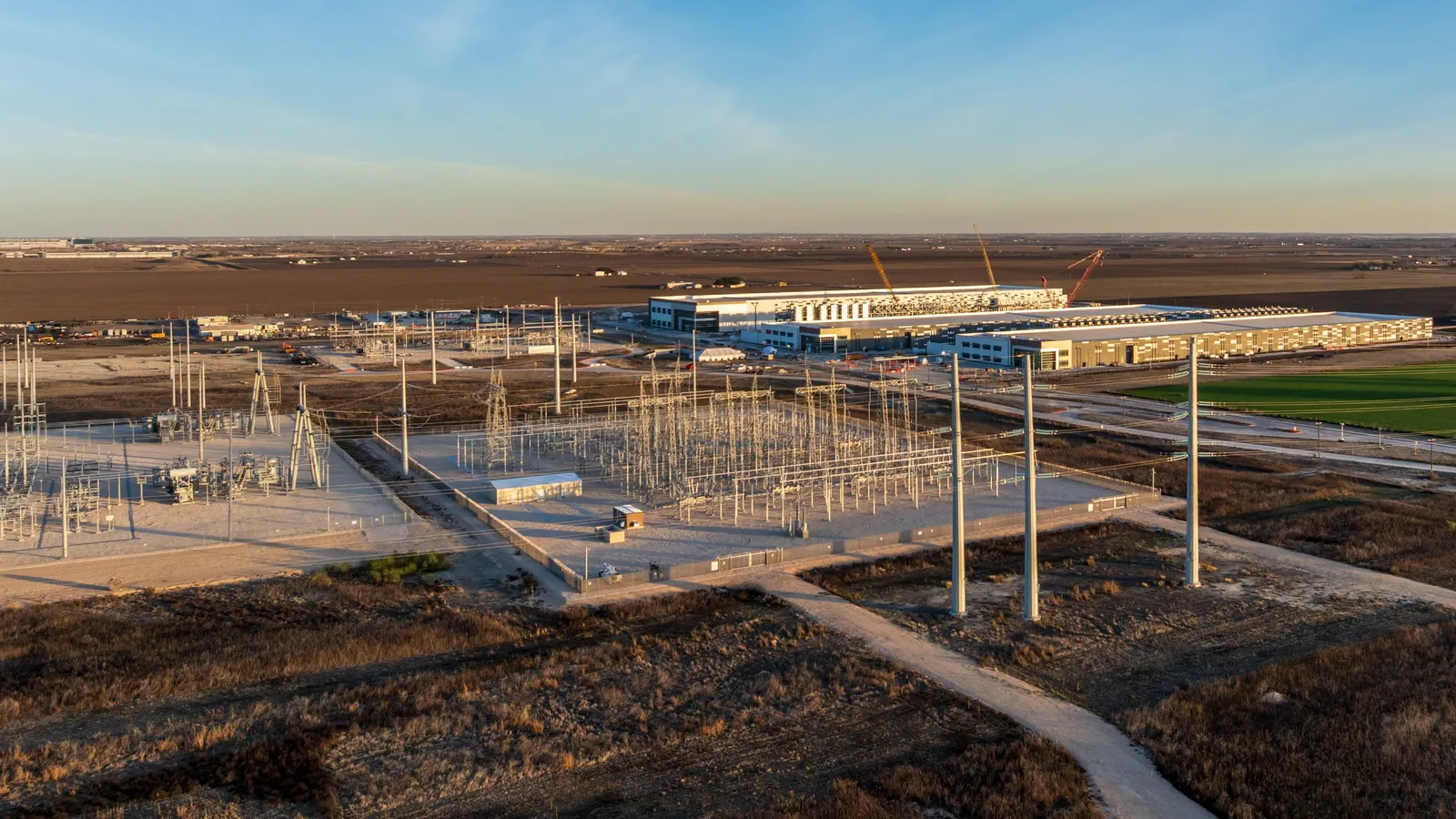
- Texas leads the U.S. in data center capacity with 26 gigawatts of existing and under-construction projects, making the state the epicenter of the physical infrastructure behind generative AI.
- A separate Wood Mackenzie report found Texas is bracing for four times more proposed data center capacity running on onsite-generated power than any other state.
- HARC CEO John Hall warned: "There is a good chance that our children and grandchildren will breathe dirtier air than we did," noting that decades of transportation-sector cleanup progress is now at risk.
- The outcome hinges on power choices: pairing grid power with onsite renewables cuts NOx emissions up to 10 times lower, but many developers are choosing less efficient gas turbines to speed construction and skip grid connection wait times.
Why it matters: Texas's 26-gigawatt data center pipeline puts the state at a tipping point where the power-source choice — gas turbines versus onsite renewables — determines whether soot pollution triples or stays near current levels. The 136% NOx increase modeled by HARC would undo decades of transportation-sector cleanup, directly affecting respiratory health for millions of Texans who currently breathe cleaner air than they did in 2004.
Ask SkimNews